Amid the Iranian war and oil price crisis, the Department of Energy, alongside the Department of Commerce, has unveiled a public-private partnership with SoftBank and AEP Ohio that centers on one thing the AI boom desperately needs but rarely talks about plainly—power. Not theoretical power. Not intermittent power. Real, dispatchable, grid-ready megawatts, mostly from natural gas.
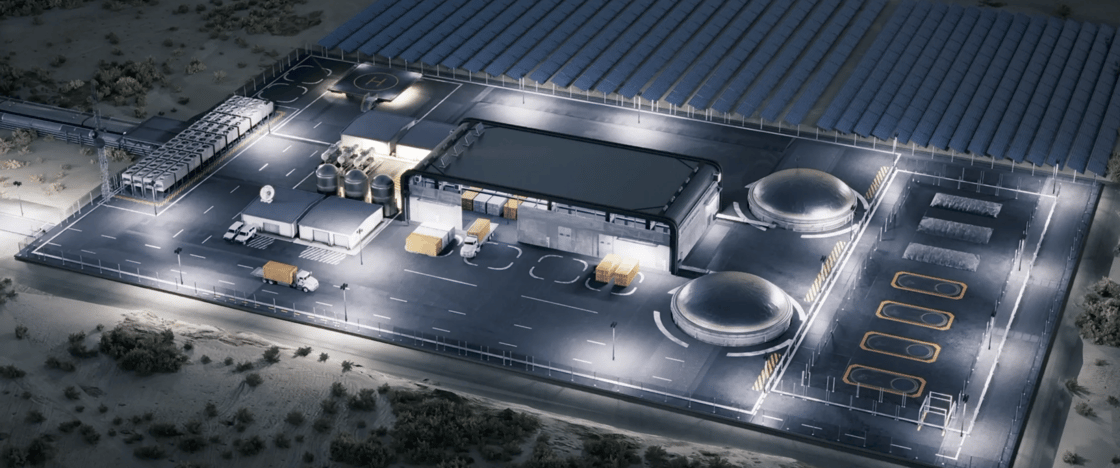
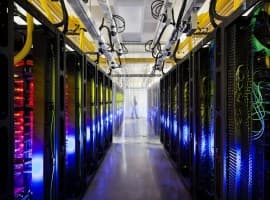
At the core of the plan, revealed in a Friday press release, is a 10-gigawatt data center campus at the Portsmouth Site in southern Ohio, backed by an equally massive 10 GW of new generation. Of that, a staggering 9.2 GW will come from natural gas.
The $33.3 billion in Japanese-backed funding tied to the gas buildout tells the story of just how serious this is. This isn’t a pilot project or a feel-good clean energy press release. This is baseload muscle being bolted onto the grid to support hyperscale computing.
And the grid, frankly, needs the help. As part of the deal, SB Energy is committing $4.2 billion to transmission upgrades with AEP Ohio to expand capacity. And—critically—doing it without passing costs onto ratepayers. That last point reflects a growing reality: the US power grid wasn’t built for AI workloads that can rival small countries as far as electricity demand.
Ten gigawatts is the equivalent of multiple nuclear plants or a sizable chunk of a regional grid. And nearly all of it is gas-fired, signaling where reliability concerns are landing in real-world investment decisions.
There’s also a strategic layer. Repurposing DOE land tied to legacy nuclear work into a hub for AI, quantum computing, and advanced research is about control of infrastructure, supply chains, and technological leadership.
Construction is expected to kick off this year.
By Julianne Geiger for Oilprice.com
More Top Reads From Oilprice.com
- Qatar to Lose $20 Billion Annual Revenue from Iranian Attacks on LNG
- Oil Inches Higher as Iran Strikes Kuwait’s Mina Al-Ahmadi Refinery
- Buyers Scramble for Seaborne Oil as Middle East War Continues