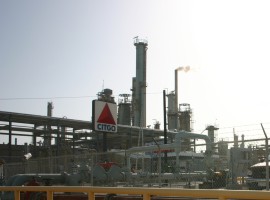
The United States has extended a Treasury license that shields Venezuela-owned refiner CITGO Petroleum Corp from creditor actions through March 20, a move that preserves the company’s legal status while debt disputes continue, Reuters reported on Monday.
The license prevents creditors from seizing Citgo’s U.S. assets as part of ongoing litigation tied to defaults by its ultimate owner, Venezuela’s state energy company. The protection has been repeatedly renewed over successive months and years as courts and claimants press to resolve claims linked to Venezuela’s sovereign debt and defaulted bonds backed by Citgo shares.
Citgo’s status remains central to both U.S. and Venezuelan interests as Washington adjusts its broader policy toward Caracas. The license extension comes alongside, but is separate from, recent U.S. steps to ease some sanctions on Venezuela’s oil sector, which have allowed limited crude trading and operational activity under specific authorizations. Those measures are part of a wider effort to manage Venezuela’s energy assets while legal and political disputes continue.
Despite relaxed restrictions on trading and refining Venezuelan oil, Venezuela’s hydrocarbon industry faces profound structural and investment challenges. Production has languished for years due to underinvestment, decayed infrastructure, and legal uncertainty that have deterred major international firms from large-scale commitments. Rebuilding output to pre-sanctions levels will demand significant capital over many years.
The license extension hands the U.S. government continued control over the legal trajectory of Citgo during a period of shifting Venezuela policy. Citgo has been at the center of creditor battles since 2019, when bondholders sought to enforce claims by targeting the valuable Houston-based refiner; past extensions have bought time for negotiations and court rulings while the broader energy and legal landscape evolves.
U.S. action on Venezuela’s oil assets comes as Caracas moves to overhaul its hydrocarbons law to attract foreign and private investment and as trading houses re-enter Brazilian-heavy crude markets previously restricted under sanctions. Those policy shifts reflect an emphasis on stabilizing Venezuelan energy output while managing complex financial and geopolitical risks.
By Charles Kennedy for Oilprice.com
More Top Reads From Oilprice.com
- U.S. Considers Sanctions Relief to Revive Venezuela’s Oil Output
- Crude Rallies on Weather Disruptions and Fresh Geopolitical Nerves
- Brent Breaks $70 After Trump Threatens Iran With Military Force