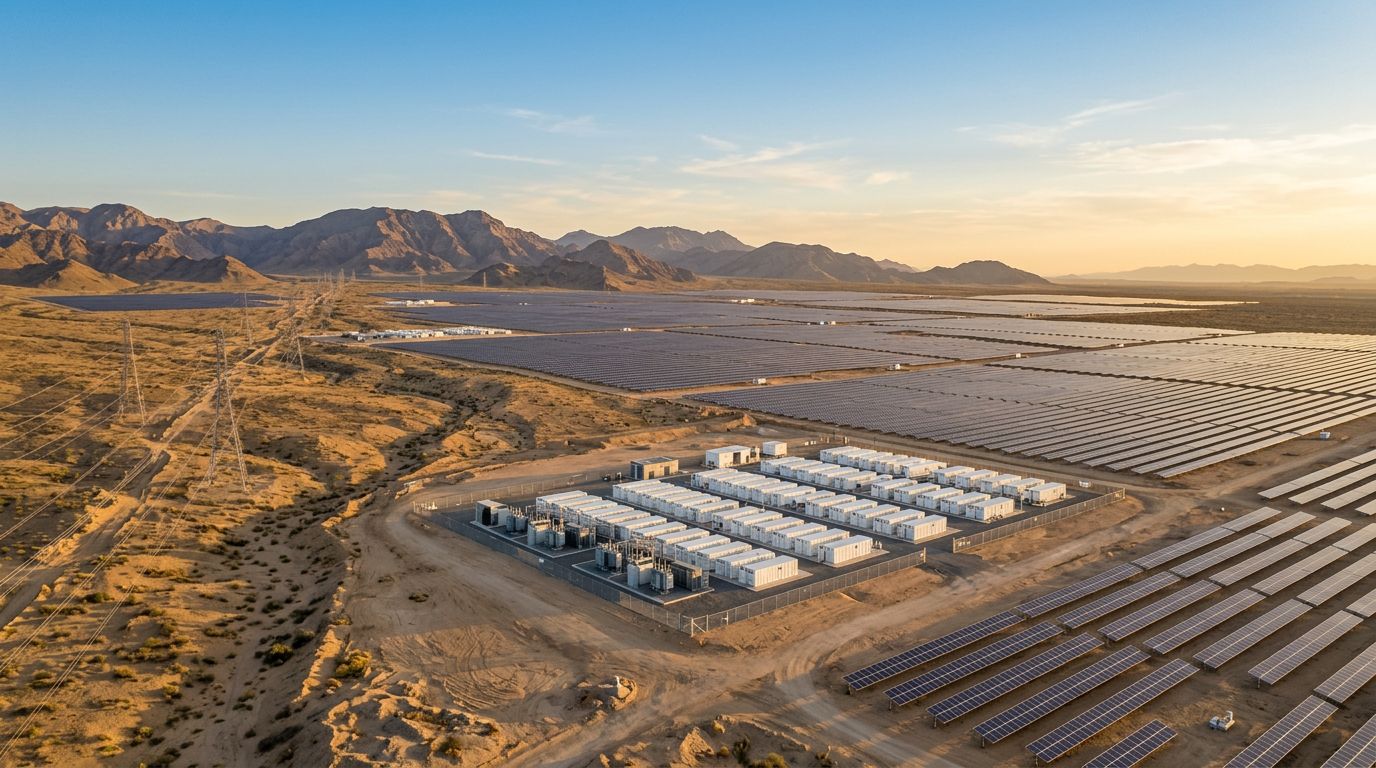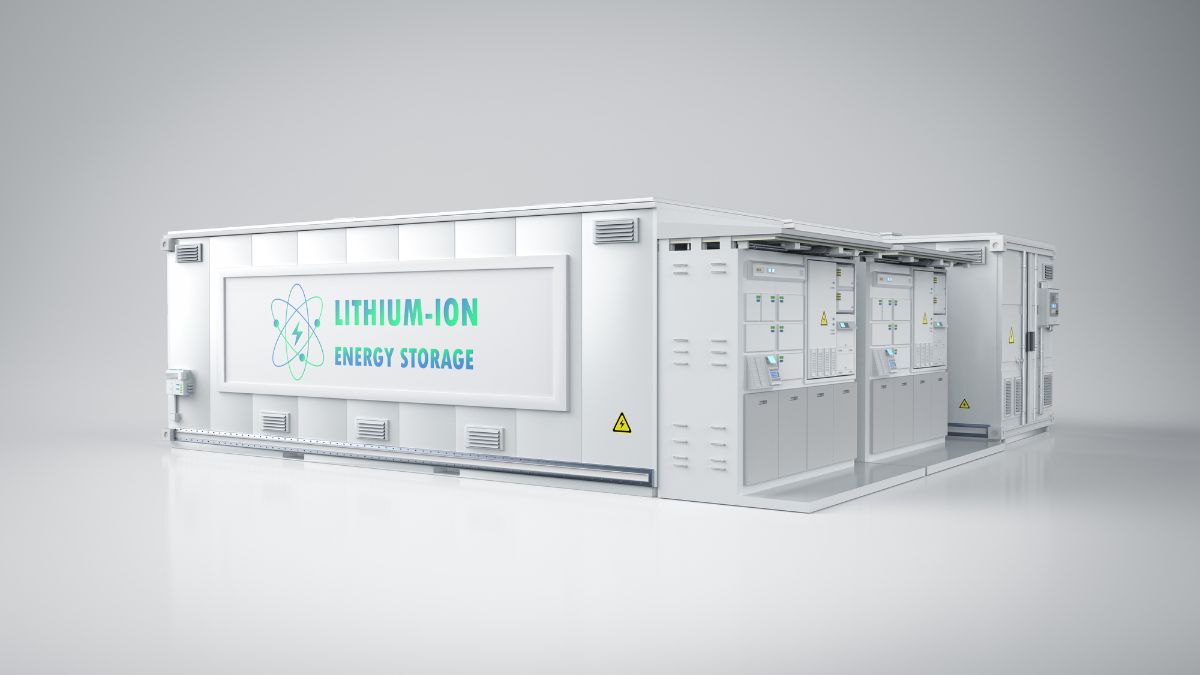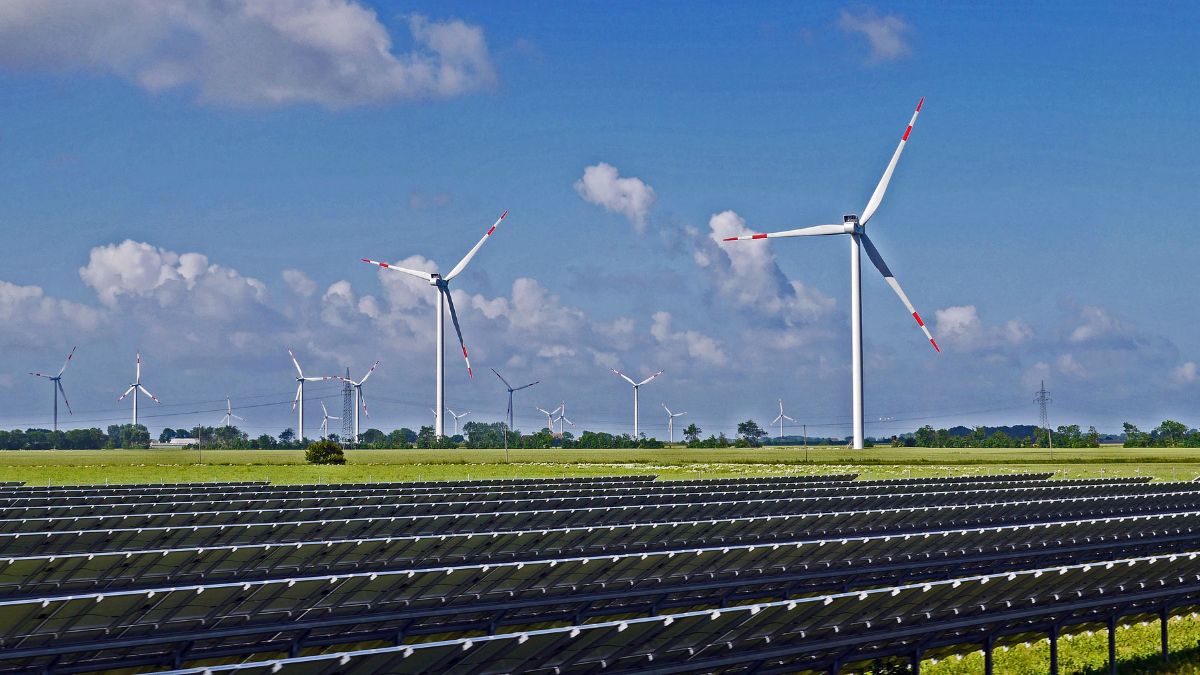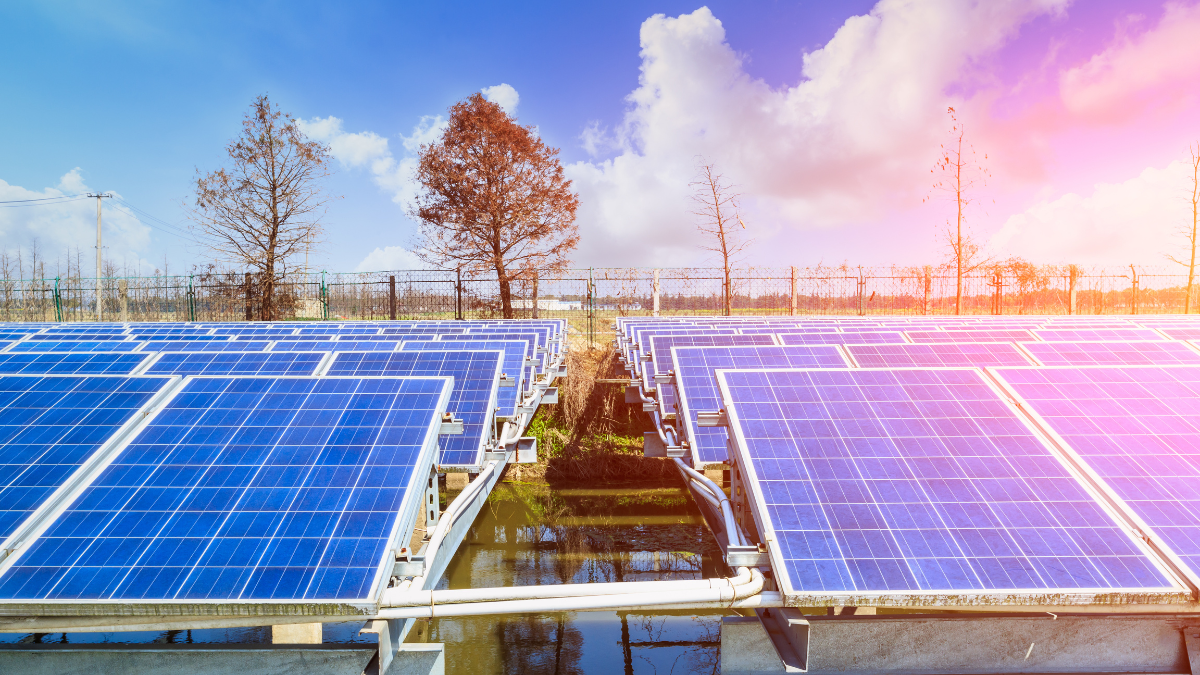
The United States installed 43 gigawatts (GW) of new solar capacity in 2025, keeping solar power as the leading source of new electricity added to the grid for the fifth year in a row. Solar and energy storage together made up 79% of all new capacity installed during the first year of the administration led by Donald Trum
p. The findings come from the U.S. Solar Market Insight 2025 Year in Review, published by the Solar Energy Industries Association (SEIA) and Wood Mackenzie. According to the report, more than two-thirds of the solar capacity built in 2025 was installed in states won by President Trump. States such as Texas, Indiana, Florida, Arizona, Ohio, Utah and Arkansas were among the top 10 for new solar installations that year.
Even with regulatory changes and tax policy shifts affecting clean energy, the report notes that solar power continues to be economically strong. Growing electricity demand—especially from data centers—has made solar one of the few options capable of meeting new power needs quickly. The U.S. is projected to install 490 GW of additional solar capacity by 2036, raising total installed capacity to nearly 770 GW.
SEIA’s Interim President and CEO, Darren Van’t Hof, said that solar and storage remain the main contributors to new electricity supply despite policy challenges. He emphasized that households and businesses are increasingly choosing solar-plus-storage for fast, affordable power. He also urged federal policymakers to provide stability, noting that uncertainty could slow development and lead to higher energy bills for Americans.
Michelle Davis, head of solar at Wood Mackenzie and lead author of the report, highlighted that solar will keep its position as the top source of new power capacity, even as natural gas generation also grows. She explained that rising electricity demand and the increasing costs of building new gas plants will keep solar competitive, even without tax incentive
s. The report also outlines several possible outcomes depending on upcoming policy decisions. Important factors include final rules on Foreign Entity of Concern requirements, the results of pending trade actions, and the ability of new projects to obtain permits. The residential solar sector is expected to face challenges in 2025 due to changes in tax policy, which could slow growth.
According to the analysis, stricter policies would reduce the pace of solar installations, tighten electricity supply, and push energy prices higher. Utility-scale solar remains one of the most affordable types of new power generation, and home solar combined with battery storage is still a reliable way for consumers to manage their energy costs.
The first year of the Trump Administration was also a major milestone for U.S. solar and storage manufacturing. In the third quarter of 2025, the country saw the opening of a new wafer manufacturing facility, which means the U.S. now has domestic capacity to produce every major part of the solar supply chain.
Throughout 2025, solar cell manufacturing capacity continued to rise, and module production increased by more than 50%, reaching 65.5 GW of capacity. Texas remained the fastest-growing solar market in the country, adding 11 GW of new capacity. In total, 11 states set new records for annual installations in 2025, and 12 states each added more than 1 GW of new solar capacity. Indiana and Utah stood out for especially rapid growth—Indiana installed nearly 3 GW, up from 1.6 GW in 2024.
Subscribe to get the latest posts sent to your email.