U.S. Study Highlights Potential to Expand Renewable Energy on Federal Lands, Targeting 10% of Nation’s Renewable Energy by 2035

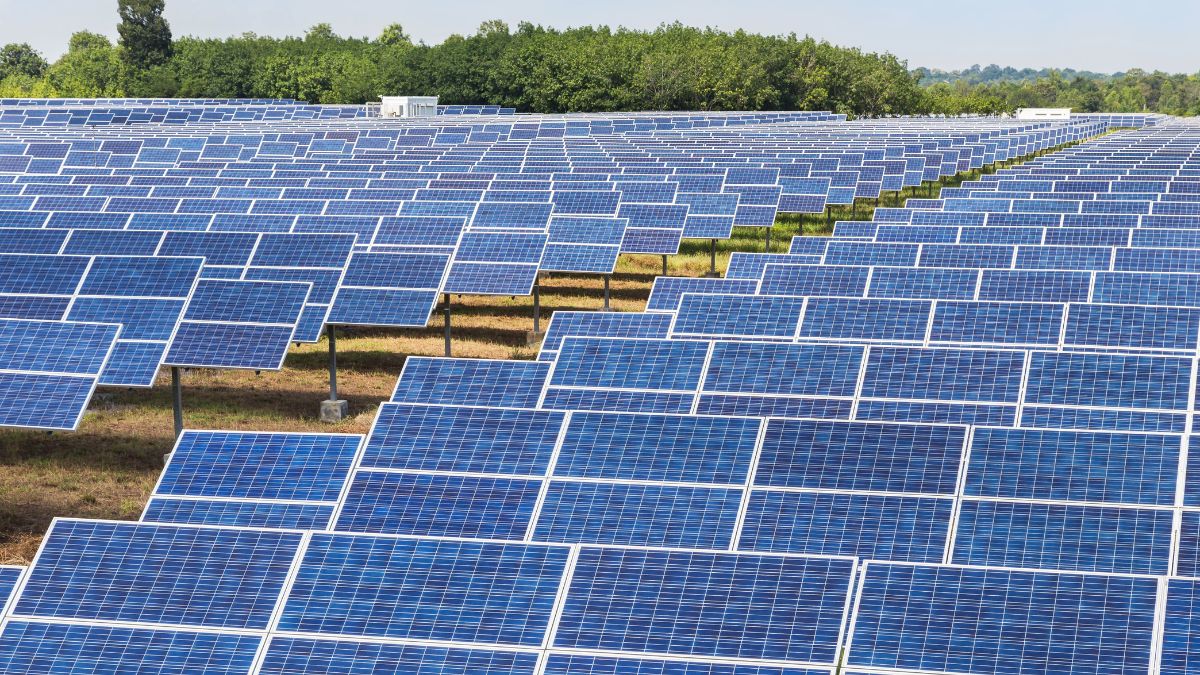
Representational image. Credit: Canva

The U.S. Department of Energy’s National Renewable Energy Laboratory (NREL), in collaboration with the Departments of the Interior, Agriculture, and Defense, has released a comprehensive study highlighting the vast potential for expanding renewable energy production on federal lands. According to the study, onshore federal lands in the contiguous United States could support over 7,700 gigawatts (GW) of renewable energy capacity.

The analysis finds that by 2035, between 51 to 84 GW of renewable energy could be deployed on federal lands, representing a mere half of one percent of the total federal land area. This level of deployment could contribute up to 10% of the reliable renewable energy needed to reach net-zero emissions in the electricity sector. Notably, the Department of the Interior has already authorized more than 30 GW of clean energy projects on federal lands, surpassing its 2025 target ahead of schedule.

The study’s findings underscore the federal government’s critical role in driving the transition to cleaner energy. Secretary of Energy Jennifer M. Granholm emphasized that the nation’s growing energy demand could be met with cheaper, more resilient clean power generated on federal lands. “The data shows that we can meet our energy needs with cleaner energy solutions while ensuring a secure, sustainable domestic energy supply,” Granholm said.

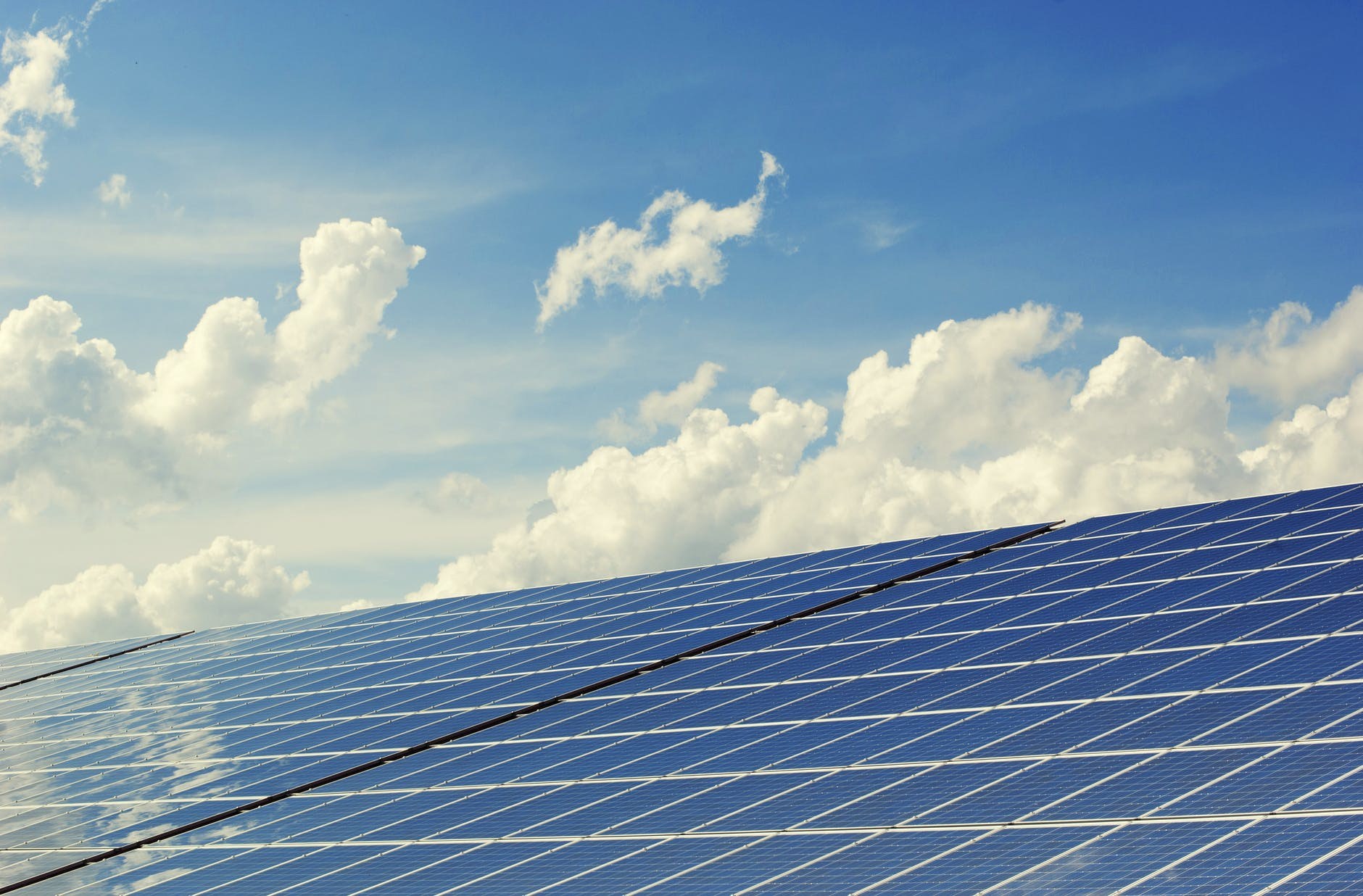
The study also explored the technical potential of various renewable energy sources, including utility-scale solar, land-based wind, hydrothermal, and enhanced geothermal generation on federal lands. Key findings include the potential for 5,750 GW of solar, 875 GW of wind, 130 GW of hydrothermal, and 975 GW of geothermal energy.

While federal lands currently account for only 4% of renewable energy generation in the U.S., the study’s central scenarios suggest that by 2035, up to 12.5% of the nation’s total renewable energy capacity could come from federal lands. Specific areas with high renewable energy potential were identified across Bureau of Land Management field offices, U.S. Forest Service National Forests, and Department of Defense installations.

The report emphasizes the importance of balancing energy development with other land uses such as conservation, military operations, and recreation. Collaboration across federal agencies is vital to ensuring responsible development and navigating competing interests.

 

  • Related Posts

    Actis Sells Peru Power Generation Platform Orygen to Grupo Romero

    Representational image. Credit: Canva Actis, a global investor focused on sustainable infrastructure in growth markets, has completed the sale of Orygen, a major power generation platform in Peru, to Grupo…

    Sabah Unveils New Renewable Energy Framework To Boost Clean Power Investment In Malaysia

    Representational image. Credit: Canva The government of Sabah has introduced a new policy framework and updated guidelines to accelerate the adoption of renewable energy across the state. The initiative reflects…

    Have You Seen?

    IRAN’S “CROWN JEWEL” – US Attacks Iran’s Key Export Hub, Kharg Island, Trump Says

    • March 14, 2026
    IRAN’S “CROWN JEWEL” – US Attacks Iran’s Key Export Hub, Kharg Island, Trump Says

    Sabah Unveils New Renewable Energy Framework To Boost Clean Power Investment In Malaysia

    • March 14, 2026
    Sabah Unveils New Renewable Energy Framework To Boost Clean Power Investment In Malaysia

    Actis Sells Peru Power Generation Platform Orygen to Grupo Romero

    • March 14, 2026
    Actis Sells Peru Power Generation Platform Orygen to Grupo Romero

    GE Vernova And Hitachi Explore Small Modular Reactor Deployment Across Southeast Asia

    • March 14, 2026
    GE Vernova And Hitachi Explore Small Modular Reactor Deployment Across Southeast Asia

    South Africa Marks 300 Days Without Loadshedding As Eskom Stabilizes Power Supply

    • March 14, 2026
    South Africa Marks 300 Days Without Loadshedding As Eskom Stabilizes Power Supply

    Eskom And City Of Ekurhuleni Reach R3.4 Billion Debt Settlement To Secure Power Supply

    • March 14, 2026
    Eskom And City Of Ekurhuleni Reach R3.4 Billion Debt Settlement To Secure Power Supply

    Crude Futures Turn Positive on Continued Hormuz Closure

    • March 14, 2026
    Crude Futures Turn Positive on Continued Hormuz Closure

    Hormuz Crisis Forces Massive Saudi Oil Shut-In

    • March 14, 2026
    Hormuz Crisis Forces Massive Saudi Oil Shut-In

    California Hit By Much Higher Oil Prices as Iran War Stresses Refiners

    • March 13, 2026
    California Hit By Much Higher Oil Prices as Iran War Stresses Refiners

    CHARTED: The Energy Mix of the World’s 10 Largest Economies – Visual Capitalist

    • March 13, 2026
    CHARTED: The Energy Mix of the World’s 10 Largest Economies – Visual Capitalist