The Treasury Department has quietly issued an exception to its own Russian sanctions list, allowing transactions with Lukoil-branded gas stations that are outside Russia through April 29, 2026. On paper, it’s a small and specific waiver. In practice, it’s Washington acknowledging a problem that it can’t actually solve without creating another.
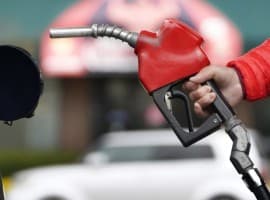
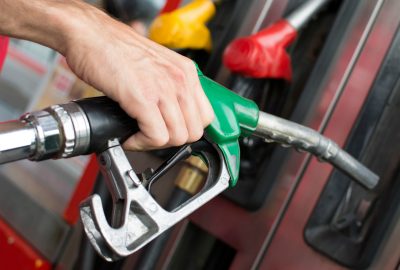
Lukoil’s retail footprint stretches far beyond Russia’s borders. It has around 200 stations in New Jersey, Pennsylvania, and New York—all of which would have been stymied without a waiver. Hundreds more stations sit in Turkey, Romania, Bulgaria, and Moldova, all facing the same uncertainty. Treasury clearly decided it didn’t want to detonate that many local businesses at once.
Independent Lukoil stations may seem like small potatoes. But from an economic standpoint, every dollar that goes through a Lukoil-branded station ultimately moves up the chain to Lukoil, and a portion of Lukoil’s revenues moves up the chain to the Russian state. The company pays taxes, royalties, and export duties to the Kremlin, along with any mandatory “contributions” that Moscow demands from large firms whenever it needs to plug a budget hole. Those flows end up in the government’s general revenues. And yes, those include war spending.
Independent franchise or not, the money still lands in the same place.
Finland’s Teboil chain, also owned by Lukoil, has already said it plans to wind down as fuel supplies tighten. That’s likely the first step in a slow divestment process rather than an immediate exit. And until the assets actually change hands, they’re covered by the U.S. waiver.
So, if these independents end up bankrolling the Kremlin, why is the US handing them a waiver? The logic is straightforward. Shutting down thousands of pumps across several countries will hurt local economies long before it hurts the Kremlin.
Still, the political optics are not great. Each carve-out makes the broader sanctions effort look a little more toothless.
For now, nothing changes at Lukoil’s non-Russian stations. They can keep selling fuel and accepting payments for now. Whether this waiver stays “temporary” will depend on how often the White House is willing to bend its own rules when enforcement meets reality.
By Julianne Geiger for Oilprice.com
More Top Reads From Oilprice.com
- ExxonMobil Prepares to Permanently Close Singapore Petrochemical Unit
- UK Regulator Greenlights Massive $37 Billion Energy Grid Overhaul
- Vår Energi Makes Oil Discovery Near Arctic Field in Norway