The U.S. waivers on the purchase of Russian and Iranian crude on tankers have been a mixed bag of success in boosting oil supply in Asia. While refiners, especially in India, are snapping up Russian cargoes, state-controlled Indian and Chinese firms are reluctant to wade into trade with Iranian barrels.
Uncertainties about shipping, insurance, payments, and currencies in buying Iranian oil have deterred refiners from looking to buy Tehran’s crude, which the U.S. ‘unsanctioned’ last Friday in an attempt to bring down oil prices.
A week earlier, the U.S. Administration had allowed Russian crude already loaded on tankers to be sold without sanctions.
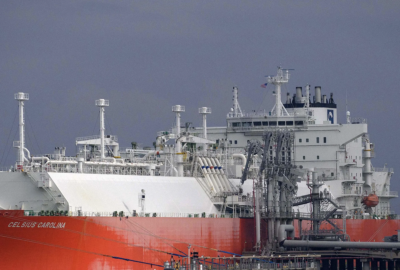
As a result, Russian barrels in floating storage have begun to clear. The volume of crude from Russia held in tankers east of Suez has diminished to about 13 million barrels on 18 tankers, per vessel-tracking data compiled by Bloomberg. That’s down from 19 million barrels on 25 ships before the U.S. waiver on Russian oil purchases was broadened almost two weeks ago to include not only India but all buyers.
Indian refiners have reportedly struck deals for the purchase of some 60 million barrels of Russian crude oil to be delivered in April. The cargoes were snapped at premiums of between $5 and $15 per barrel, according to Bloomberg sources, suggesting the thirst for Russian oil in the world’s third-largest importer remains strong despite the swing from heavy discounts to a premium to the global benchmark.
Related: 3 Defense Stocks To Replenish America’s Depleting Arsenal
The situation with Iranian crude, however, is starkly different.
Indian refiners have not shown willingness to purchase Iranian crude as concerns about the payment, currency, and shipping currently outweigh their willingness to entangle themselves into a trade that could become illegitimate again in just a few weeks.
India’s hesitancy about buying Iranian crude is not too different from the one shown among some of China’s top state refiners. For example, Sinopec, Asia’s biggest refiner by capacity, is weighing the potential risks of Iranian oil trade and “basically won’t buy” Iranian crude, the company’s president Zhao Dong said on Monday.
Analysts and sanctions experts note that the license to buy Iranian crude loaded on vessels is unlikely to attract a different slate of customers than the typical Chinese teapot customer, due to the other Iran-related sanctions still in place and the uncertainty how low this waiver – currently until April 19 – would last.
By Tsvetana Paraskova for Oilprice.com
More Top Reads From Oilprice.com
- India Pushes Back Flexible Coal Power Plan Amid Cost Uncertainty
- Naphtha Shortage Forces Japanese Petrochemical Producers to Curb Output
- Germany and South Korea Face Rare Earths Supply Shortage