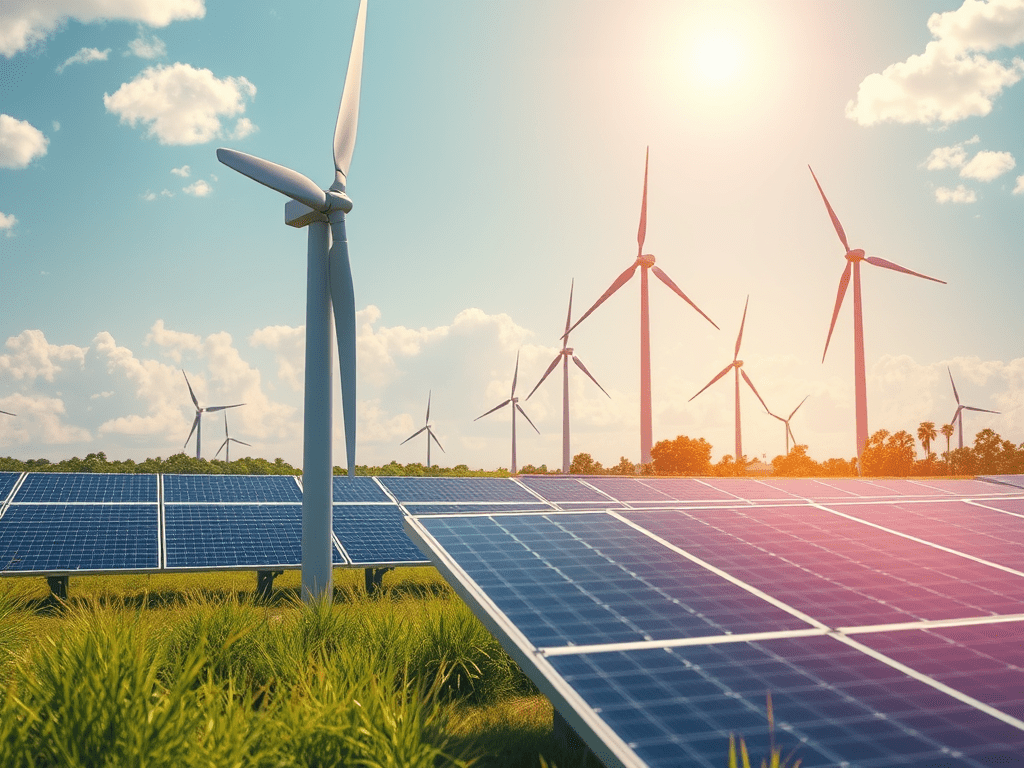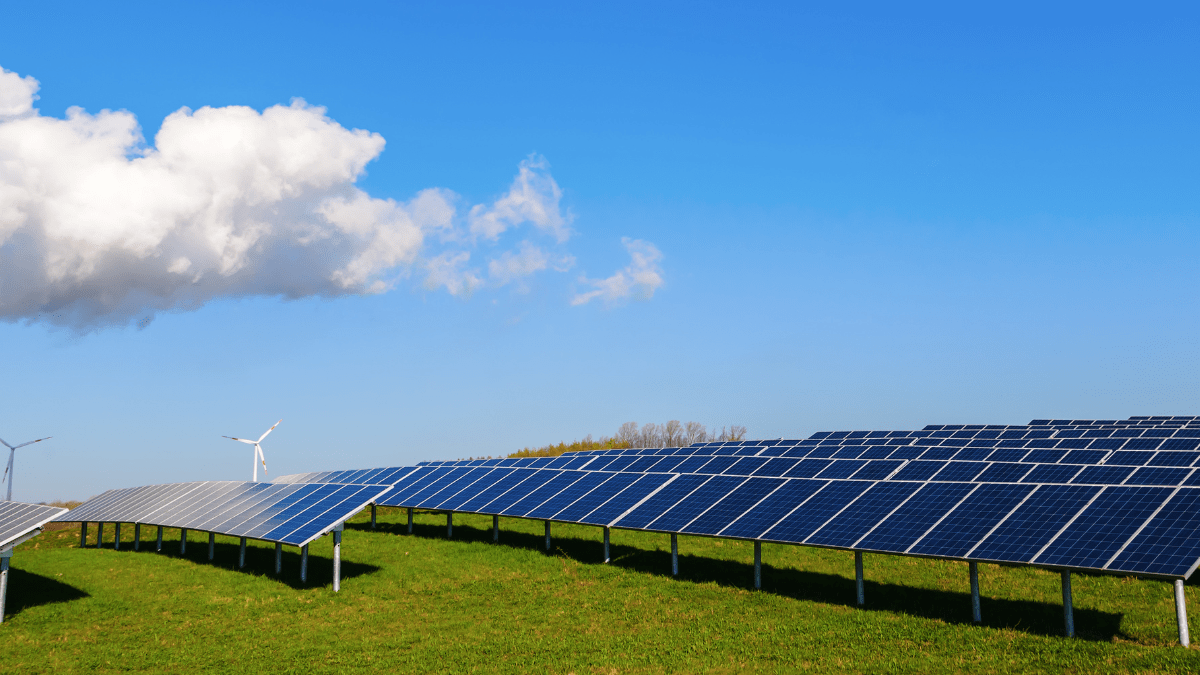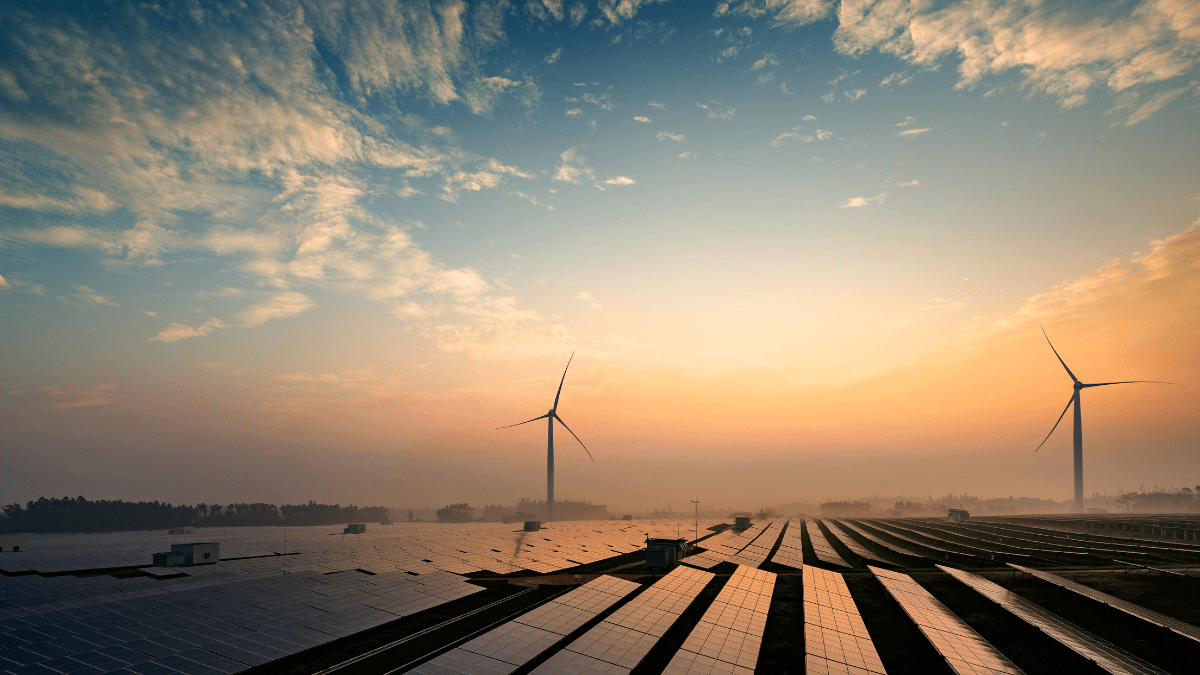
The United Arab Emirates is rapidly advancing its clean energy ambitions, with its installed renewable energy capacity now exceeding 7.7 gigawatts. According to Suhail bin Mohammed Al Mazrouei, Minister of Energy and Infrastructure, this capacity is expected to grow to more than 23 gigawatts by 2031. This expansion reflects the country’s strong national investment in sustainable energy, which has already surpassed $51.7 billion. The development is part of the UAE’s broader strategy to strengthen its global standing in the energy transition while reducing reliance on fossil fuels.
During Abu Dhabi Sustainability Week, Al Mazrouei highlighted that the UAE’s renewable energy capacity increased by 117 percent between 2022 and 2025. This rapid growth has positioned the UAE as the fastest-growing clean energy market in the region. In line with this momentum, the government has updated its national targets, aiming for clean energy sources to contribute 35 percent of total electricity generation by 2031. This ambitious goal demonstrates the UAE’s commitment to building a diversified and sustainable energy mix.
A key element of the UAE’s energy transition is the National Hydrogen Strategy 2050, which has been fully integrated into the country’s planning framework. By prioritizing hydrogen as a low-carbon energy source, the UAE aims to become a reliable global provider of clean energy while preparing for a future with reduced dependence on fossil fuels. This strategic focus highlights the nation’s effort to align economic growth with environmental responsibility.
Alongside increasing renewable energy supply, the UAE is also concentrating on improving energy and water efficiency. The National Water and Energy Demand Management Program has played a significant role in reducing carbon emissions, cutting more than 14.8 million tonnes over the past five years. These efficiency measures have also delivered financial savings exceeding $2 billion. The government has set ambitious long-term targets, seeking a 43 percent reduction in energy consumption and a 50 percent reduction in water consumption by 2050. These efforts are central to the country’s pathway toward net-zero emissions and reflect a balanced approach that combines sustainable development with economic progress.
The UAE’s energy transition goes beyond environmental considerations. It is a strategic initiative designed to future-proof the national economy by creating a resilient and sustainable energy sector. Large-scale projects, supported by a clear regulatory framework, are reshaping the country’s energy landscape. Achieving 23 gigawatts of renewable energy capacity is a milestone that demonstrates the UAE’s ability to combine infrastructure investment with smart demand management.
As the nation moves toward its 2031 and 2050 targets, the UAE is setting an example for the region, showing how an oil-producing country can successfully pivot toward a low-carbon future. By leveraging technology, modern solutions, and strategic planning, the country is steadily advancing toward a sustainable energy ecosystem that supports both environmental and economic goals. The UAE’s ongoing efforts highlight a comprehensive and forward-looking approach, positioning the country as a regional leader in the global energy transition.
Subscribe to get the latest posts sent to your email.