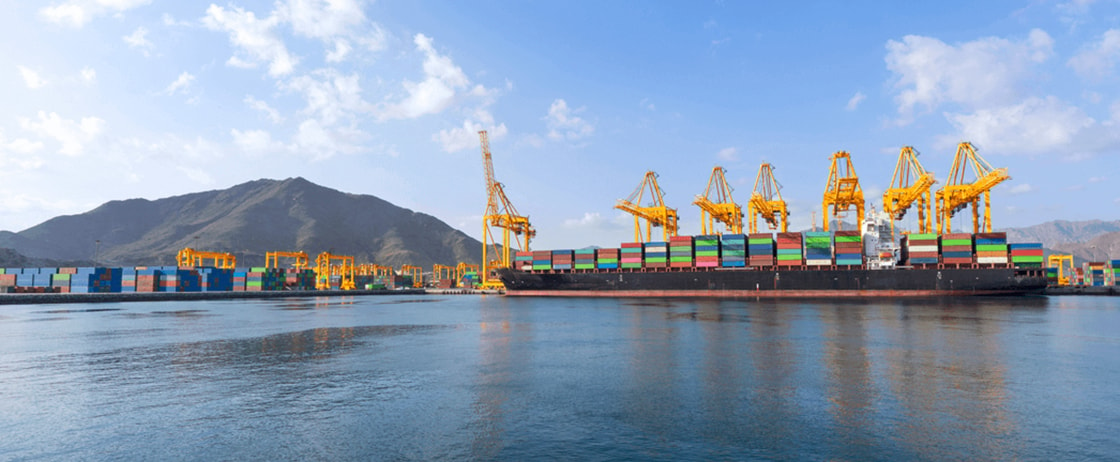
©Gulftainer / Khor Fakkan port
The UAE is considering expanding its eastern ports of Dibba, Fujairah and Khor Fakkan as part of post-war plans to boost energy security and reduce dependency on the Strait of Hormuz.
The Gulf state is also developing new pipelines, rail and road networks to improve connections between the ports and the country’s oilfields, gasfields and petroleum facilities.
The UAE Ministry of Foreign Trade confirmed that the east coast infrastructure upgrades are in the feasibility stage.
While redirecting crude oil through pipelines to the east coast is relatively straightforward, shifting LNG and specialised industrial cargo away from Gulf ports is significantly more complex and would require massive capital investment.
No timelines or costs were released but the plans show how the UAE is determined to secure its own supply chains in future.
The UAE exports approximately 0.7 billion cubic feet per day of liquefied natural gas through the strait and around 80% of the UAE’s food imports come into key ports such as Jebel Ali.
Port operator Gulftainer has launched a 150-hectare regional logistics corridor (Al Dhaid) to physically integrate Khor Fakkan Port with the upcoming Etihad Rail network. This would enable the port to handle up to 1.5 million TEUs annually.
The US and Iran have announced though a raft of issues – key among them the clearance of mines and safe passage of shipping through the strait – need to be clarified.