The UK is advancing plans to restrict per- and polyfluoroalkyl substances (PFAS), but industrial gas experts are warning that alternatives for many critical applications may not yet exist.
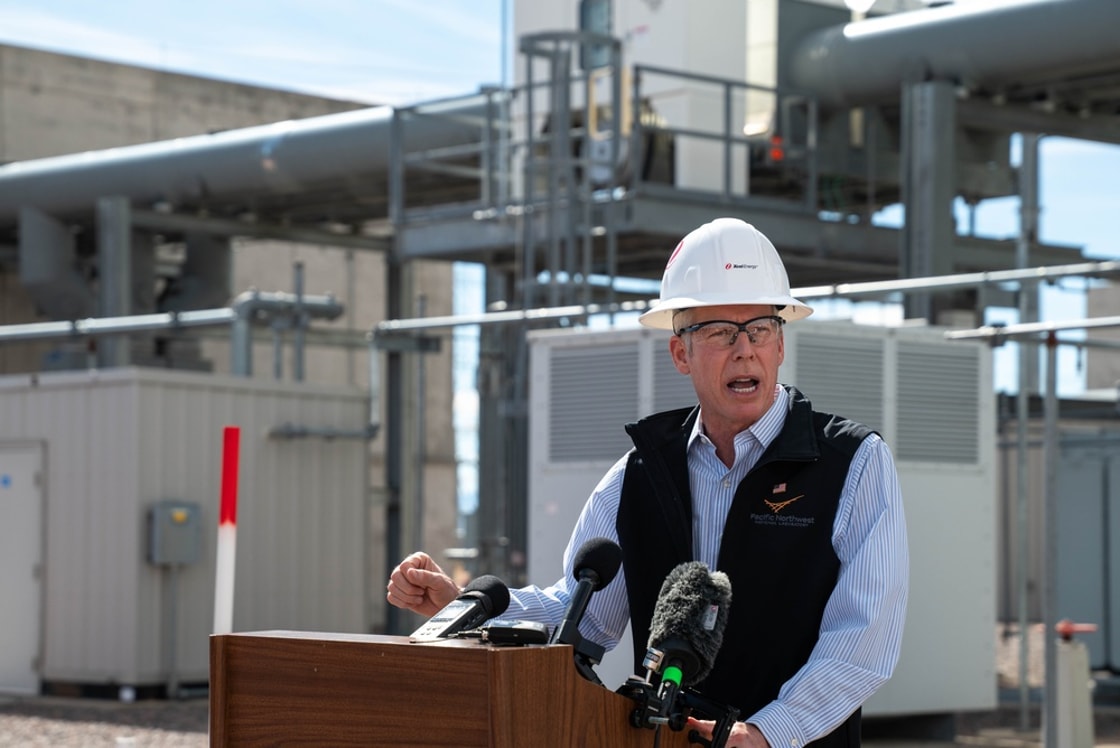
Speaking at the British Compressed Gases Association (BCGA) conference, Emily Foster, Technical Manager at BCGA, described PFAS as “one of the biggest concerns that we’re facing at the moment”.
Around 15,000 PFAS substances are currently known to toxicologists, with the chemicals attracting growing scrutiny because of their environmental persistence and mobility.
“They all contain carbon fluorine bonds, which is one of the strongest bonds in chemistry,” explained Foster.
“That means they are very persistent in the environment. They’re also very mobile. They don’t degrade easily and often end up miles away from the source.”
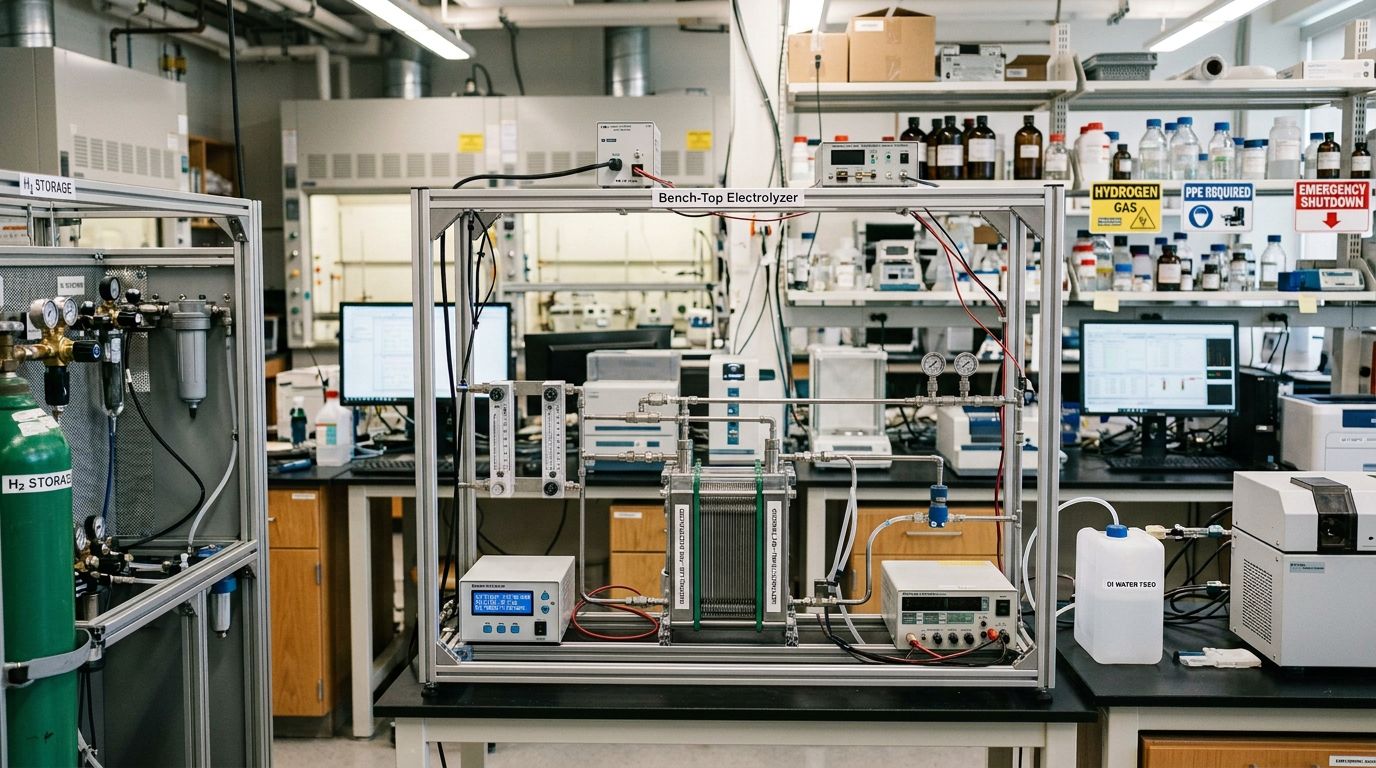
However, Foster said PFAS materials remain heavily used across industrial gas applications, including hydrogen systems, cryogenics, gaskets, hoses, lubricants and fire suppression systems, with industry warning that replacement materials may prove difficult to develop.
“PFAS is everywhere,” said Foster, adding that it may be difficult to find other suitable materials. “One of the big things about PFAS is that alternatives don’t necessarily exist.”
The UK is taking what Foster described as a more “evidence based” approach, while the EU is pursuing a broader and stricter restriction regime.
“We have always been arguing that we need an evidence based regulation, rather than just banning and restricting all of these materials.”
The UK Government published its first PFAS plan this year as part of the Environmental Improvement Plan.
Focus areas include identifying PFAS sources, understanding environmental concentrations, and determining which PFAS are the most problematic.

Emily Foster, Technical Manager at BCGA
“They are also looking at testing food packaging for PFAS content and they are currently working with the Food Standards Agency to understand how we test for these materials and what are the ones that would be a concern in food packaging,” explained Foster.
She contrasted the UK’s approach with the EU, where restrictions are already tightening, including limits on PFAS in food packaging due to come into force in August.
Foster said PFAS materials remain difficult to replace because of their resistance to chemicals, pressure and extreme temperatures, the very features that make them so useful to industry.
“The reason why PFAS are so good is because they are chemical resistant, pressure resistant and temperature resistant,” said Foster. “But that is also what makes them persistent.”
“It is very important for the hydrogen economy,” she added.
Foster also warned that even if the UK adopts a more pragmatic approach than the EU, globally integrated supply chains could still leave companies exposed to tighter international restrictions.
“Trade is very integrated. Supply chains are very complex,” she said.
The discussion also highlighted broader concerns around the future operation of UK REACH, the UK’s post-Brexit chemicals regulation regime.
According to Foster, industry continues to face significant compliance costs and uncertainty as companies prepare for separate UK registration requirements alongside existing EU systems.
She said earlier estimates had suggested UK REACH could cost industry more than £2bn, although revised estimates are now closer to £500m due to changes in the proposed registration model.
Transitional registration deadlines are being extended to October 27 2029, October 27 2030, and October 27 2031, “and we know that’s really not that long away,” added Foster.
“We [also] know that UK REACH is going to mean that some chemicals will be lost on the UK market simply because there just isn’t the justification to register them,” she said.
Read more: