By
15 min ago 4 min read
The UK government’s Department for Environment, Food & Rural Affairs (Defra) must work more closely with industry to ensure the food supply chain can withstand increasingly likely and severe shocks including extreme weather events, cyber-attacks and disease outbreaks, according to a new National Audit Office (NAO) report.
The government has designated food as one of 13 critical national infrastructure sectors that it considers essential for the country to function properly.
During recent disruptions, including the Covid-19 pandemic and the war in Ukraine, private sector businesses have succeeded in keeping the food supply chain running, in most cases without the need for significant government assistance.
But short- and long-term risks that could significantly affect the food supply chain “are becoming more likely and potentially more severe,” exacerbated by climate change.
Domestic food production and manufacturing in the UK depends on key inputs, many of which are imported, such as fertilisers, animal feed, food-grade chemicals and gases (such as carbon dioxide), energy (electricity, gas and fuel) and packaging materials. Around 50% of food for consumption in the UK goes through the cold chain.
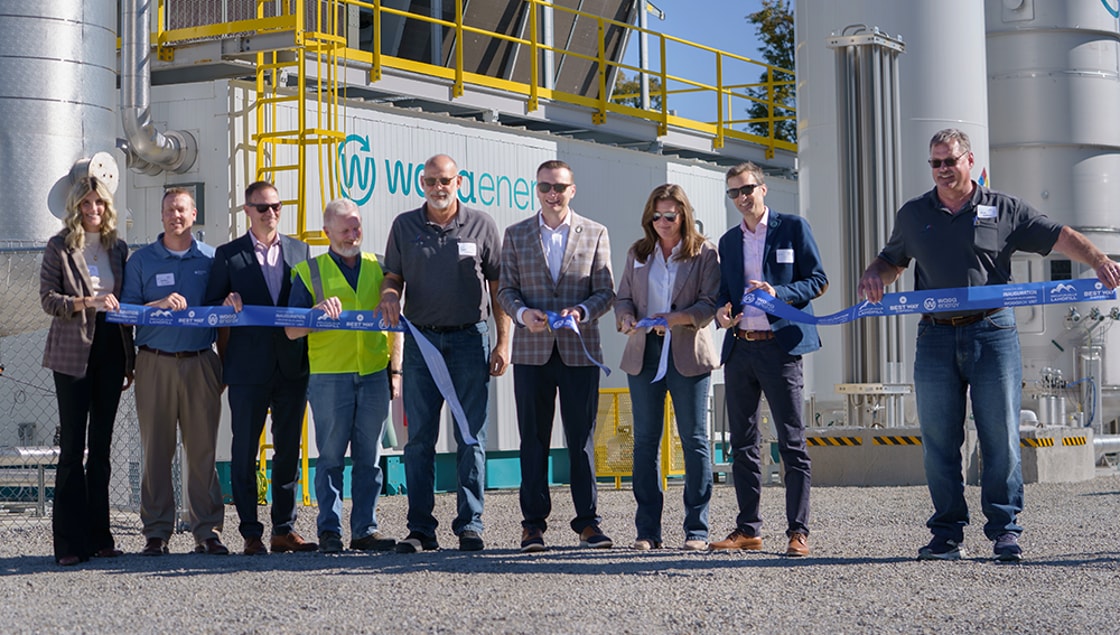
CO2 supplies have come under ‘increased pressure’, the report notes, citing 2018 and 2022, and this year saw a significant intervention with the restart of CO2 production at the .
Read more:
Defra has taken some positive steps to improve its preparedness for food supply disruptions, such as expanding its food supply chain resilience team and increasing its focus on planning for catastrophic events where food supply would be seriously affected.
However, it has done too little in recent years to encourage businesses, households and communities to strengthen resilience and prepare for potential food shortages caused by disruption to the food supply chain, according to the NAO.
Scenario exercises that test Defra’s preparedness for catastrophic events that would severely disrupt food supply – the last national exercise took place in 2023 – have also largely excluded food supply chain businesses, with some indicating that they would welcome inclusion in future exercises.
Meanwhile, local resilience forums have indicated that they lack clarity from Defra on what is expected of them in the event of disruption.
To strengthen the food supply chain’s resilience to disruptions, the NAO recommends that Defra:
- refreshes its approach to engaging with food supply chain businesses
- assesses the potential costs and benefits of approaches used to build resilience in other sectors or countries and whether they are wholly or partly applicable to the UK’s food supply chain
- reviews its response plans to ensure they would be effective in practice
- reviews the current legal powers it could use to respond to a catastrophic event that causes a severe food supply disruption
- works with Cabinet Office to ensure that future initiatives to encourage greater preparedness by households and communities include appropriate detail on food preparedness
Gareth Davies, Head of the NAO, said, “Recent disruptions have shown the resilience of the UK’s food supply chain, but risks are increasing in likelihood and severity. Defra should learn from approaches taken in other countries, and strengthen preparedness for emergencies by testing plans with local government and industry.”
A recent gasworld webinar on food and beverage heard how the industry is , from lower-carbon refrigeration to CO2 recovery, and how are critical to the smooth running of the sector.