Ukraine’s military claimed another drone attack on an oil refinery in Russia in the early hours on Tuesday as Ukrainian forces continue to target Russia’s energy producing and exporting infrastructure in an escalation of drone attacks at key oil refining hubs.
The Ukrainian military on Tuesday said it had struck the Orsknefteorgsintez oil refinery in Orsk, in the Orenburg region.
Orsk is about 1,500 kilometers (930 miles) from the frontline.
“Fire was recorded. Damages are being ascertained,” the Ukrainian military said on its Telegram channel.
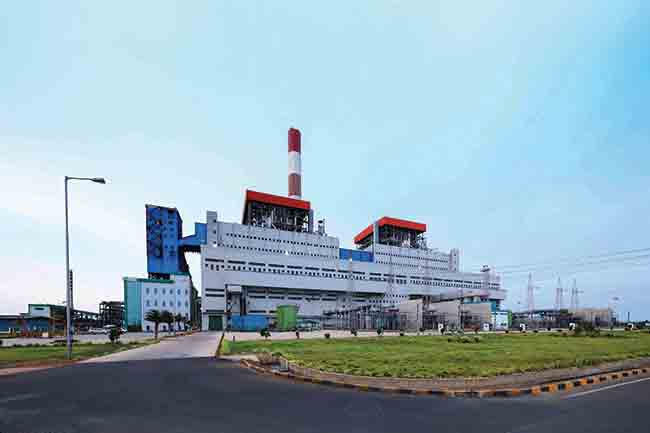
Orsknefteorgsintez is one of the largest oil refineries in the Orenburg region and an important enterprise in the fuel and energy sector of Russia, Ukraine’s General Staff said.
The refinery has an annual capacity to process about 6 million tons of crude oil, and produces gasoline, diesel, aviation fuel, fuel oil, bitumen, and other petroleum products.
Set OilPrice.com as a preferred source in Google .
“The Ukrainian Defense Forces will continue to systematically implement measures aimed at stopping the armed aggression of the Russian Federation,” the Ukrainian General Staff said.
The attack at the Orsk refinery is the latest in a series of drone strikes on Russian refineries in recent weeks, as Ukraine aims to limit fuel supply in Russia and to the frontlines.
Earlier this week, a Ukrainian drone attack on a city in Russia’s Tatarstan region killed 12 people and wounded at least another 39 in a massive strike that also hit one of the most technologically advanced oil refineries in Russia.
Tatneft’s Taneco refinery, one of the most technologically advanced in Russia, was hit in the attack, according to multiple unverified reports and videos on social media.
This year, Ukraine has pursued a relentless drone campaign targeting Russian oil refining infrastructure and oil supply routes to force Putin into negotiating peace.
The renewed drone attacks on refineries from Ukraine came after several weeks of a lull, during which Ukrainian forces focused on hitting Russia-linked tankers in the Sea of Azov and the Black Sea.
Amid peak demand season, Russia has been suffering from gasoline and diesel shortages for over three months, as Ukraine’s drone campaign to strike Russian refineries forced many large processing sites offline in the spring and summer.
By Charles Kennedy for Oilprice.com
More Top Reads From Oilprice.com
- Hormuz Traffic Sinks to Six Vessels Monday as Iran Talks Stall Again
- OPEC Output Climbs Again, But Still Trails Quota Targets
- ADNOC Issues Eighth Spot Tender Since June as UAE Ramps Up Crude Exports