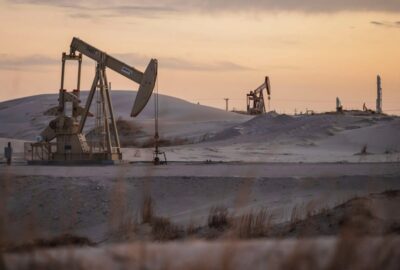
(Reuters) – A rush by U.S. utilities and tech giants to snap up as many gas turbines as possible to boost local power output is causing a global shortage of gas-power equipment and may spur other power systems to fast-track cleaner alternatives.
The amount of U.S. gas-fired capacity that is under construction has more than doubled from a year ago, according to Global Energy Monitor (GEM) data, while the amount in pre-construction has jumped more than fivefold since early 2025.
This U.S.-led surge in planned gas-fired power capacity has pushed delivery times for new gas turbines into the 2030s, and comes as the price of utility-scale solar farms backed by battery energy storage systems keeps falling to new lows.
Get the Latest US Focused Energy News Delivered to You! It’s FREE:

The combination of rising uncertainty in the gas power supply chain alongside the increased accessibility of clean power alternatives is driving firms in other countries to prioritise non-gas sources in their own expansion plans.
RAPID GROWTH AT HOME
The U.S. pipeline for new gas-powered generation capacity has surged over the past year or so, with total capacity under construction more than doubling since early 2025 to roughly 30 gigawatts (GW), according to GEM.
The amount of U.S. gas capacity in pre-construction – where permits are being lined up and sites are being selected – has surged by 420% from early 2025 to just over 159 GW.
The U.S. pre-construction capacity represents a third of the global gas capacity pipeline at that same development stage and means that the U.S. has a record share of the global gas power supply pipeline.

Utilities have been the main contractors of the new planned capacity, although a number of so-called hyper-scalers including Meta and Microsoft plan to power facilities directly from their own gas plants.
Strong policy support for gas-fired power generation in Washington, alongside record-high domestic production of natural gas, has underpinned the appeal of gas-fired power in the U.S. in recent years.
Pledges to cut restrictions on gas exploration on federal lands have also spurred expectations that U.S. gas supplies will continue growing and will remain the most abundant power source available to U.S. utilities and tech firms.
COOLING DEMAND OVERSEAS
While support for gas power reaches new highs in the U.S., there are signs that enthusiasm for the fuel is dimming elsewhere.
On top of lengthening wait times for key equipment, the appeal of gas power has also been undermined by rising and volatile gas prices which scaled three-year highs in the U.S. last month and have nearly doubled in Europe so far this year.
In addition, gas importing countries are wary of becoming reliant on supplies from potentially belligerent trading partners.
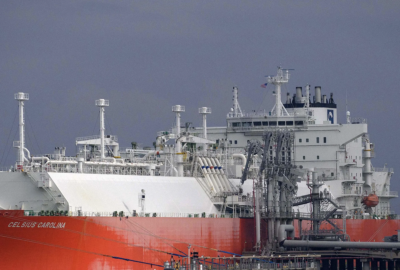
Several European gas-consuming nations are still reeling from the fallout of Russia’s invasion of Ukraine in 2022 and are reluctant to replace those lost supplies with imports of LNG from the U.S. while President Donald Trump wields tariffs and trade threats as instruments of coercion.
Energy sovereignty is also a growing issue in Asia and Africa, where production of materials tied to the energy transition – including solar panels and battery systems – is creating local jobs and also helping to cut energy imports.
MOVING TARGETS
That said, 52% of the global gas pipeline in the pre-construction phase is based in Asia and Africa, with around 234 GW planned in Asia and a further 19.3 GW in Africa.
China alone has around 61 GW of gas in the pre-construction phase on top of around 31 GW currently being built and so it is steadily increasing its overall gas-powered footprint.
However, the wide time span covering the pre-construction projects means that those capacity levels are bound to change, especially in a dynamic power system like China’s, where the generation mix is evolving at record speed.
As the world’s largest producer of renewable power and manufacturer of clean energy components, China’s utilities and authorities are prioritising power gleaned from local sources over energy generated by imported fuels.
At the same time, China is also by far the world’s largest exporter of clean energy parts and systems, including solar panels and battery storage systems that are becoming increasingly popular among utilities in every region.
Supporting those manufacturing and export-oriented sectors also remains a priority in Beijing and means that China’s shipments of clean energy components will likely remain robust even as scarcity issues mount in the gas turbine space.
For global power system managers weighing expansions in gas power or renewables, the prospect of abundant, affordable supplies of renewable equipment may outweigh the appeal of an uncertain timeline for gas power parts and high gas costs.
That may set the stage for a divergence in global power system foundations, with the U.S. set to become ever gassier while other major markets opt for a cleaner makeup.
The opinions expressed here are those of the , a columnist for Reuters.
Reporting by Gavin Maguire; Editing by Thomas Derpinghaus
Share This:
More News Articles