Recent U.S. intelligence reports warn that Iran is unlikely to open the Strait of Hormuz any time soon because its grip on the world’s most vital oil artery provides the only real leverage it has over the United States, according to three sources familiar with the matter.
Get the Latest US Focused Energy News Delivered to You! It’s FREE:
The finding suggests that Tehran could continue to throttle the strait to keep energy prices high as a means of pressuring U.S. President Donald Trump to find a quick off-ramp to the nearly five-week-long war that remains unpopular with U.S. voters.
The reports also provide the latest indication that the war, intended to eradicate Iran’s military strength, may actually increase its regional sway by showing Tehran’s ability to threaten the key waterway. Trump has sought to downplay the difficulty of reopening the Strait of Hormuz, which carries a fifth of the world’s oil trade. On Friday, he appeared to suggest that he could order U.S. forces to reopen the passage.
“With a little more time, we can easily OPEN THE HORMUZ STRAIT, TAKE THE OIL, & MAKE A FORTUNE,” he posted on his Truth Social platform.
But analysts have long warned that trying to use force against Iran, which controls one side of the strait, could prove costly and draw the U.S. into a protracted ground war.
“In the attempt to try to prevent Iran from developing a weapon of mass destruction, the U.S. handed Iran a weapon of mass disruption,” said Ali Vaez, director of the Iran Project at the International Crisis Group, a conflict-prevention organization.
Tehran, Vaez said, understands its ability to drive world energy markets through its chokehold on the strait “is much more potent than even a nuclear weapon.”
Trump’s stance on potential U.S. involvement in reopening the strait has shifted. On one hand, he has made ending Iran’s chokehold a ceasefire precondition, but then he called on Gulf oil-dependent countries and NATO allies to take the lead in reopening it.
A White House official, who requested anonymity, said Trump is “confident that the strait will be open very soon” and has been clear that Iran would not be allowed to regulate waterway traffic after the war.
But the official noted that Trump also has said that other countries “have far more at stake in preventing this outcome” than the U.S.
The CIA did not immediately respond to a request for comment.
IRAN BLOCKING SEA TRAFFIC Iran’s out-gunned Islamic Revolutionary Guard Corps has used various tactics to make commercial transit through the waterway too dangerous or uninsurable since Trump and Israeli Prime Minister Benjamin Netanyahu launched their war on February 28. From attacking civilian vessels and releasing mines to demanding passage fees, Iran has effectively blocked traffic through the strait, sending world oil prices soaring to multi-year highs and causing fuel shortages in countries reliant on Gulf oil and gas. Rising energy costs risk fueling inflation in the U.S., posing a political liability for Trump as he faces dismal poll numbers and his Republican Party girds for mid-term congressional elections in November.
Iran, the recent intelligence reports warn, is unlikely to surrender that leverage any time soon, according to the three sources. They declined to elaborate on which agencies produced the assessments.
“It is certainly the case that now that Iran has tasted its power and leverage over the strait, it won’t soon give it up,” said one of the sources. All three requested anonymity to discuss the intelligence reports.
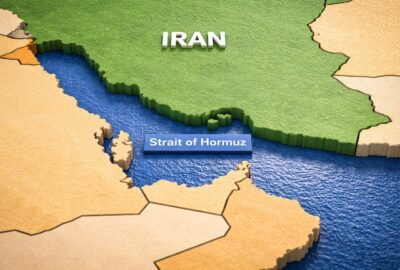
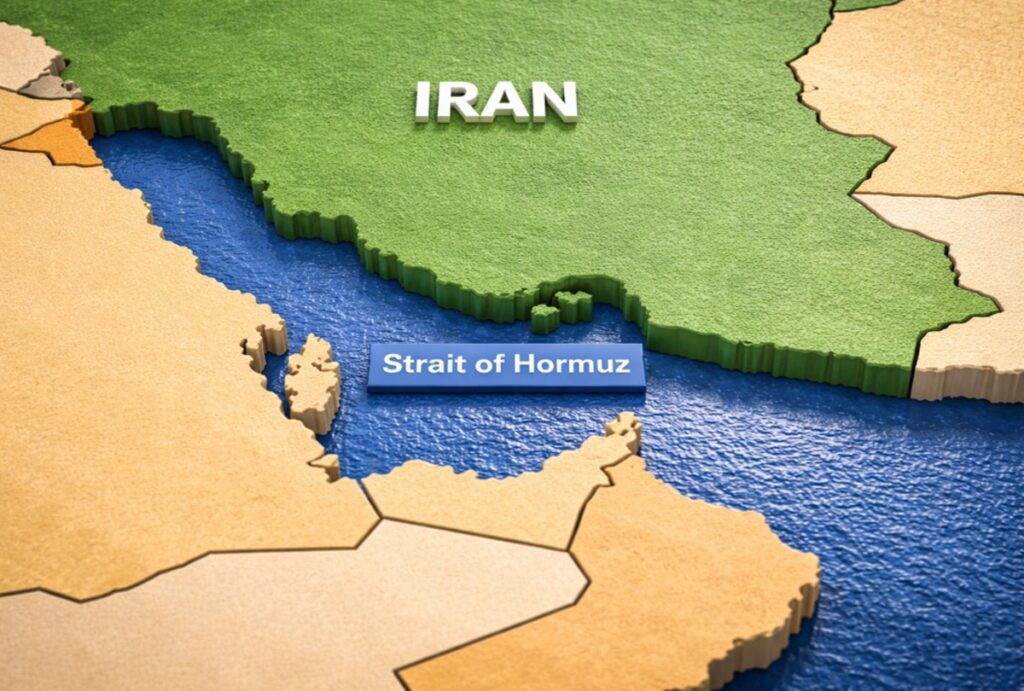
RISKS TO A MILITARY OPERATION Many experts say that a military operation to reopen the waterway involves considerable risks. The waterway separates Iran and Oman. It is 21 miles (33 km) wide at its narrowest point, but the shipping lane is only 2 miles (3 km) wide in both directions, making ships and troops easy targets.29dk2902l
Even if U.S. forces seize the southern Iranian coast and islands, the IRGC could attack them and maintain control of the waterway with drones and missiles launched from deep inside Iran, experts say.
“All it takes to disrupt traffic and deter vessels from passing through is one or two drones,” said Vaez.
Some experts said that even after the war, Iran is unlikely to give up its ability to regulate traffic through the strait because it will need to rebuild, and charging commercial shipping passage fees would be one means of raising reconstruction funds. Tehran “is going to look to maintain the leverage that they have rediscovered by disrupting traffic” through the strait, former CIA Director Bill Burns said in a Foreign Affairs magazine podcast on Thursday.
Iran, he said, will look to use its ability to throttle the waterway to win “long-term deterrence and security guarantees” in any peace deal with the U.S. and to gain “some direct material benefits” like charging passage fees to fund its post-war recovery.
“That,” he said, “sets up a really difficult negotiation right now.”
(Reporting by Jonathan Landay, Erin Banco and Phil Stewart; Editing by Don Durfee and David Gaffen)
Share This:
More News Articles