The lab is examining a shipment of fuel rods, manufactured by Global Nuclear Fuel – a GE Vernova-led joint venture with Hitachi, Ltd – from assemblies that were initially loaded into a US nuclear power plant for two 24-month cycles of operation. The assemblies were then relicensed to allow them to be reloaded for an additional cycle to increase their exposure, operating in the reactor beyond current US Nuclear Regulatory Commission licensing limits.
High burnup fuels use more of the fissile material in nuclear fuel, allowing longer operational cycles. The need for fewer fuel bundles, over time, is expected to enhance nuclear safety and reduce the amount of used fuel that needs to be managed. High-burnup fuels could also support power uprates at existing nuclear power plants. The Department of Energy (DOE) is supporting the development of such fuels through its Accident Tolerant Fuels Program.
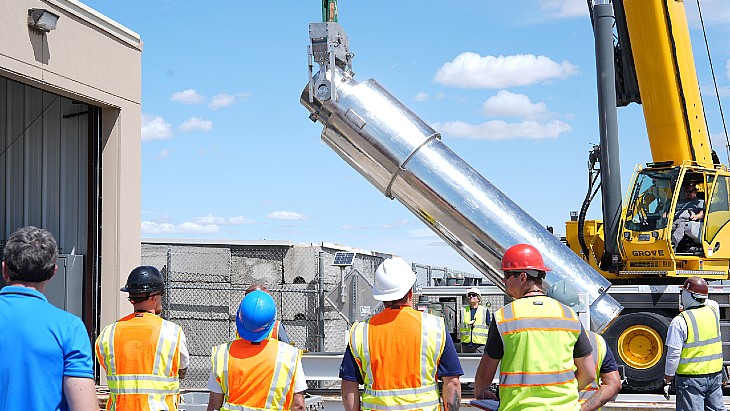 The shipment of GNF2 Fuel rods arrive at PNNL (Image: PNNL)
The assemblies shipped to Pacific Northwest National Laboratory (PNNL) include full length and partial length rods – a feature that is unique to boiling water reactor fuels – with fuel pellets that contain gadolinium, which absorbs neutrons to improve the use of the fuel’s fissile content throughout the operating cycle, DOE said. They were removed from the reactor in 2023, and will be analysed by PNNL over the next few years to determine the impact of the additional cycles on the fuel and cladding performance.
The studies support GNF’s development, engineering and licensing efforts to ensure the continued safe and reliable performance of fuel under expanded operating conditions, GE Vernova said.
Similar studies began on irradiated GNF2 fuel rods at Oak Ridge National Laboratory last year. The rods that have been shipped to PNNL were selected to compliment the work being done at Oak Ridge, GE Vernova told World Nuclear News: “As part of this initiative, it is important to collect irradiated performance data from different operating conditions and water chemistry variations for licensing approvals and to support the success of a fleet-wide deployment.”
The fuel is the same design that will be used in the initial core designs of the GVH BWRX-300 small modular reactor, and the data obtained through this programme will be used to support future potential economic improvements in BWRX-300 fuel cycle designs, including extending fuel cycle lengths to 36 to 48 months.
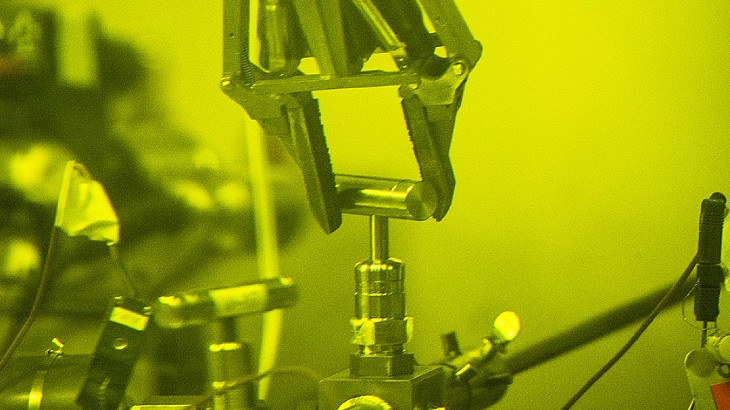 A fuel rod to release Radioactive gases for analysis (Image: PNNL)
“The examination of these rods is the next step in our continuous drive to develop higher efficiency fuels that are safer and more reliable,” said Craig Ranson, Installed Base CEO at GE Vernova Hitachi Nuclear Energy. “We are proud to be part of this collaboration with the US Department of Energy, PNNL and our utility partners to benefit the entire industry.”
Frank Goldner, the Accident Tolerant Fuel federal programme manager in the DOE Office of Nuclear Energy, said the start of the studies at PNNL is significant milestone for the programme. “The development of this fuel could further support the Trump Administration’s executive order to facilitate five gigawatts of power uprates at existing power plants by 2030 and high burnup fuels could be a big part of that,” he said.
The DOE programme is supporting GE Vernova, Framatome, and Westinghouse who are all testing fuel concepts in commercial US reactors with the goal of widespread adoption by 2030.