(Reuters) – U.S. natural gas futures rose about 1% to a two-year high on Wednesday on forecasts for more frigid weather over the Martin Luther King Jr Day holiday weekend than previously expected, which could freeze gas wells and pipes and boost gas demand for heating to a record high.
Front-month gas futures for February delivery on the New York Mercantile Exchange rose 3.7 cents, or 0.9%, to $4.005 per million British thermal units at 8:59 a.m. EST (1359 GMT), putting the contract on track for its highest close since Jan. 4 2023.
Analysts projected the next three storage reports for the weeks ending Jan. 10, Jan. 17 and Jan. 24 could each show utilities pulling more than 200 billion cubic feet (bcf) of gas from inventories to meet soaring heating demand. Some analysts said withdrawals this month could top the current record high of 994 bcf set in January 2022, according to federal energy data.
There is about 7% more gas in storage than usual for the time of year. But storage withdrawals this month could remove the surplus by the end of January, which would be the first time stockpiles fall below the five-year average since January 2022.
SUPPLY AND DEMAND
Financial firm LSEG said average gas output in the Lower 48 U.S. states fell from 104.2 billion cubic feet per day (bcfd) in December to 103.2 billion so far in January due mostly to freezing oil and gas wells and pipes, known in the energy industry as freeze-offs. That compares with a monthly record 104.5 bcfd in December 2023.
While curtailments were small so far this month, analysts and traders noted freeze-offs could soar in coming days with the coldest weather still to come.
Freeze-offs in past winters cut gas output by roughly 8.1 bcfd from Jan. 9-16 in 2024, 4.6 bcfd from Jan. 31-Feb. 1 in 2023, 15.8 bcfd from Dec. 20-24 in 2022 and 20.4 bcfd from Feb. 8-17 in 2021, according to LSEG data.
Meteorologists projected weather in the Lower 48 states would remain mostly colder than normal through Jan. 25, with the coldest days expected around Jan. 20-21, before turning mostly warmer than normal from Jan. 26-30.
The weather on Jan. 20-21 at the end of the long Martin Luther King Jr. Day weekend was on track to be the coldest since Jan. 14-16 in 2024 when gas demand hit a daily record high and spot prices jumped to multi-year highs at several trading hubs across the country. Some weather forecasters have even projected Jan. 20-21 could be the coldest days in a decade.
LSEG forecast average gas demand in the Lower 48, including exports, would rise from 144.2 bcfd this week to 153.0 bcfd next week. Those forecast were higher than LSEG’s outlook on Tuesday.
On a daily basis, LSEG said total gas use so far this winter peaked at 158.9 bcfd on Jan. 8 and could reach 169.2 bcfd on Jan. 20 and 172.3 bcfd on Jan. 21. If correct, demand on Jan. 20-21 would top the current daily record high of 168.4 bcfd on Jan. 16, 2024.
Adding to total gas demand, the amount of gas flowing to the eight big U.S. LNG export plants has reached an average of 15.0 bcfd so far in January, up from 14.4 bcfd in December. That compares with a monthly record high of 14.7 bcfd in December 2023.
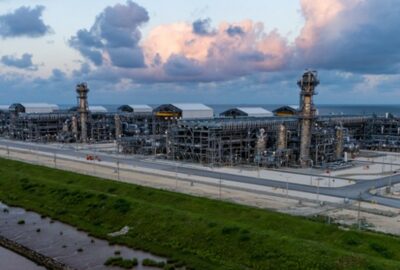
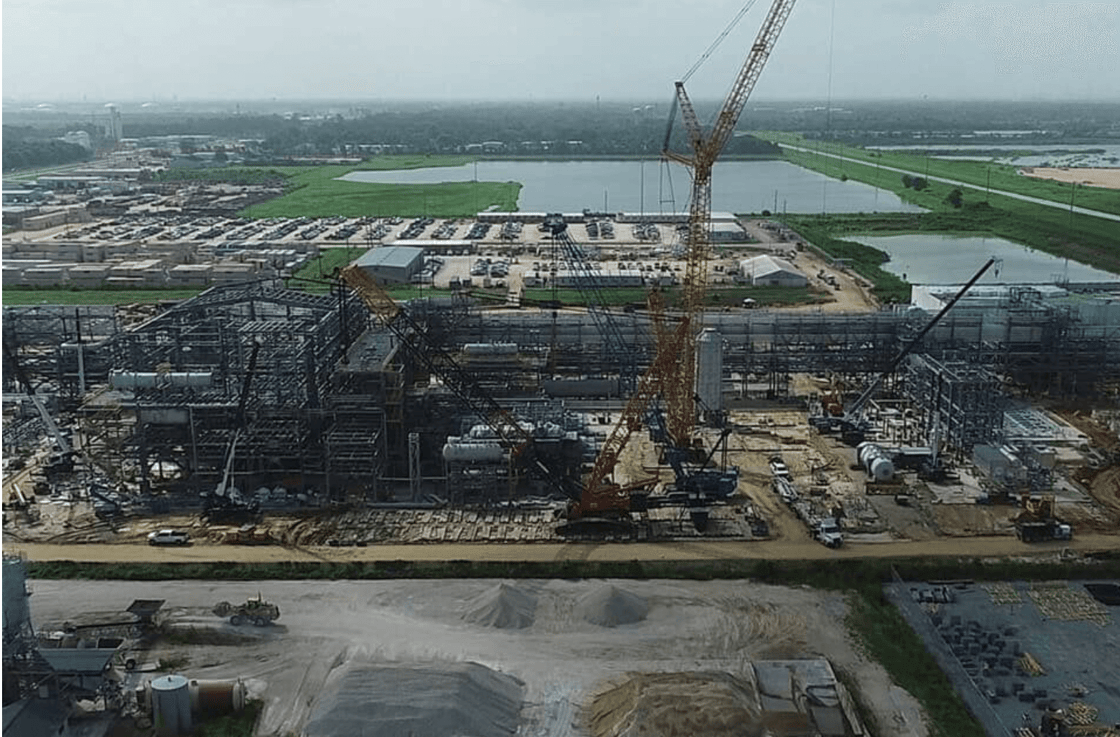
On a daily basis, LNG feedgas was on track to reach 15.2 bcfd on Wednesday, up from 14.2 bcfd on Tuesday, with flows to Venture Global LNG’s 2.6-bcfd Plaquemines export plant under construction in Louisiana set to hit a new record high of 1.2 bcfd on Wednesday.
Flows to Freeport LNG’s 2.1-bcfd export plant in Texas, meanwhile, were set to rise to 2.1 bcfd on Wednesday after slipping to an average of 1.5 bcfd over the last three days.
Reporting by Scott DiSavino; editing by Barbara Lewis
Share This:
More News Articles