(Reuters) – U.S. natural gas futures jumped about 6% to a two-week high on Tuesday on soaring oil and gas prices around the world as the U.S.-Israeli war against Iran widened across the Middle East region, disrupting the movement of energy supplies.
Front-month gas futures for April delivery on the New York Mercantile Exchange rose 18.7 cents, or 6.3%, to $3.147 per million British thermal units, putting the contract on track for its highest close since February 13. In the cash market, average prices at the Waha Hub in West Texas remained in negative territory for a record 18th day in a row, as pipeline constraints trapped gas in the nation’s biggest oil-producing basin.
Get the Latest US Focused Energy News Delivered to You! It’s FREE:
Daily Waha prices first averaged below zero in 2019. They did so 17 times in 2019, six times in 2020, once in 2023, a record 49 times in 2024, 39 times in 2025, and 27 times so far this year.
Waha prices have averaged 24 cents per mmBtu so far in 2026, compared with $1.15 in 2025 and $2.88 over the past five years (2021-2025).
SUPPLY AND DEMAND
Average gas output in the Lower 48 states has held at 109.2 billion cubic feet per day (bcfd) so far in March, the same as in February, according to data from financial firm LSEG. That reading compares with a monthly record high of 110.6 bcfd in December 2025.
Energy analysts said a winter storm last week likely caused energy firms to pull more gas out of storage than usual, knocking stockpiles down to about 2% below normal for the week ended February 27 from near normal in the previous week.
But with meteorologists predicting weather across the country will remain mostly warmer than normal through March 18, analysts expect stockpiles to reach above-normal levels by mid-March.
LSEG projected average gas demand in the Lower 48 states, including exports, would drop from 121.8 bcfd this week to 110.5 bcfd next week. The forecast for this week was higher than LSEG’s outlook on Monday, while its forecast for next week was lower.
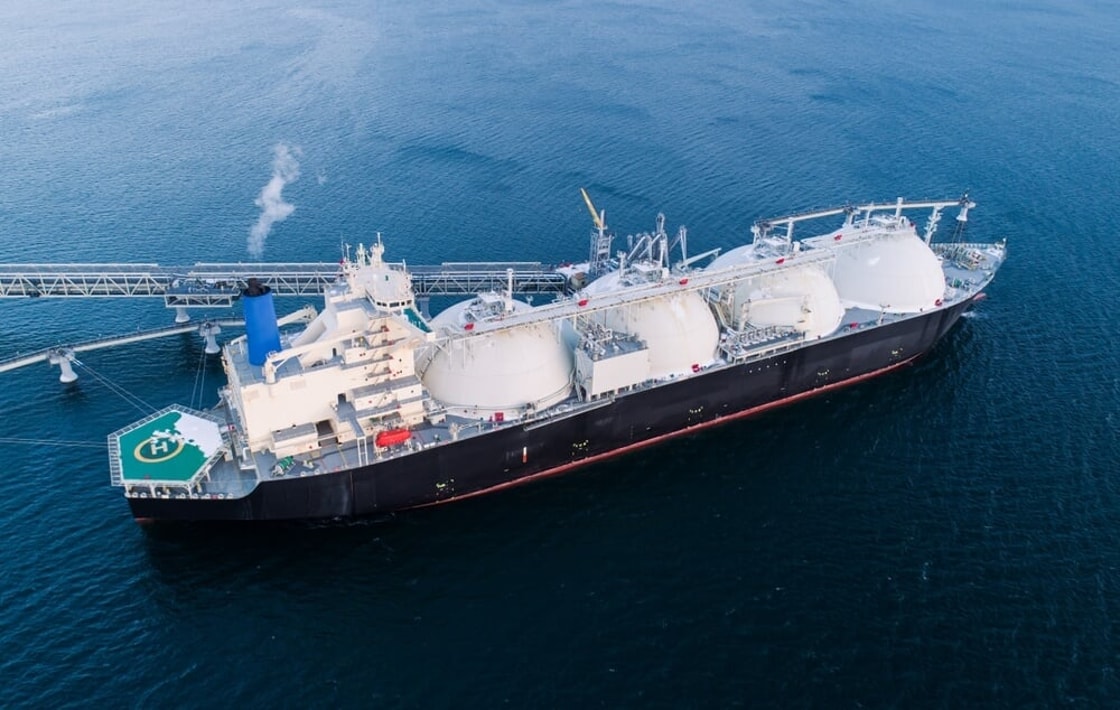
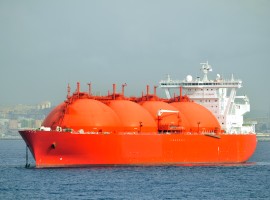
Average gas flows to the nine large U.S. LNG export plants have eased to 18.4 bcfd so far in March, down from a record 18.7 bcfd in February. In the Middle East, QatarEnergy halted LNG production on Monday after Iran attacked its facilities, causing gas prices around the world to soar. Qatar is one of the biggest LNG producers in the world along with the U.S. and Australia.
Around the world, gas soared to a three-year high near $19 per mmBtu at the Dutch Title Transfer Facility (TTF) benchmark in Europe and an eight-month high near $13 at the Japan-Korea Marker (JKM) benchmark in Asia.
Reporting by Scott DiSavino; Editing by Paul Simao
Share This:
More News Articles