Summary
• S&P 500 down over 8% from Feb 19 all-time high
• Nasdaq confirmed 10% correction from its Dec peak last week
• S&P 500 P/E moderates but still high vs historical average
• Delta Air Lines cuts forecast on growing economic uncertainty
• Tesla loses more than $125 bln in value in one day
NEW YORK, March 10 (Reuters) – President Donald Trump’s tariffs have spooked investors, with fears of an economic downturn driving a stock market sell-off that has wiped out $4 trillion from the S&P 500’s peak last month, when Wall Street was cheering much of Trump’s agenda.
A barrage of new Trump policies has increased uncertainty for businesses, consumers and investors, notably back-and-forth tariff moves against major trading partners like Canada, Mexico and China.
“We’ve seen clearly a big sentiment shift,” said Ayako Yoshioka, senior investment strategist at Wealth Enhancement. “A lot of what has worked is not working now.”
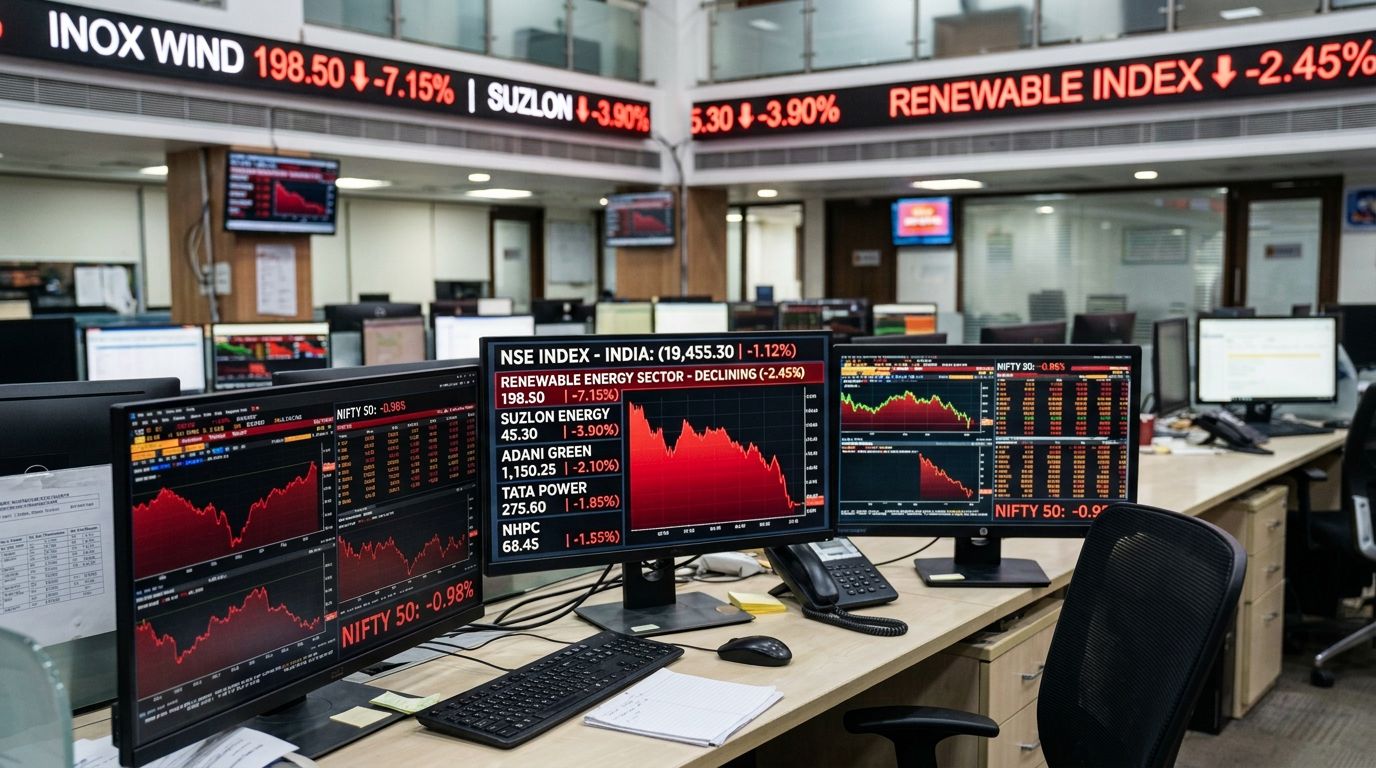
The stock market selloff deepened on Monday. The benchmark S&P 500 fell 2.7%, its biggest daily drop of the year. The Nasdaq Composite slid 4%, its largest one-day decline since September 2022.
The S&P 500 on Monday closed down 8.6% from its February 19 record high, shedding over $4 trillion in market value since then and nearing a 10% decline that would represent a correction for the index. The tech-heavy Nasdaq ended Thursday down more than 10% from its December high.
Trump over the weekend declined to predict whether the U.S. could face a recession as investors worried about the impact of his trade policy.
“The amount of uncertainty that has been created by the tariff wars with regard to Canada, Mexico and Europe, is causing boards and C-suites to reconsider the pathway forward,” Peter Orszag, CEO of Lazard, speaking at the CERAWeek conference in Houston.
“People can understand ongoing tensions with China, but the Canada, Mexico, and Europe part is confusing. Unless that gets resolved over the next month or so, this could do real damage to the economic prospects of the US and M&A activity,” Orszag said.
Delta Air Lines on Monday slashed its first-quarter profit estimates by half, sending its shares down 14% in aftermarket action. CEO Ed Bastian blamed heightened U.S. economic uncertainty.
Investors are also watching whether lawmakers can pass a funding bill to avert a partial federal government shutdown. A U.S. report on inflation looms on Wednesday.
“The Trump administration seems a little more accepting of the idea that they’re OK with the market falling, and they’re potentially even OK with a recession in order to exact their broader goals,” said Ross Mayfield, investment strategist at Baird. “I think that’s a big wake up call for Wall Street.”
The percentage of total corporate equities and mutual fund shares that are owned by the bottom 50% of the U.S. population, ranked by wealth, stands at about 1%, while the same measure for the top 10% of the population by wealth stood at 87%, according to Federal Reserve Bank of St. Louis data as of July 2024.
The S&P 500 tallied back-to-back gains of over 20% in 2023 and 2024, led by megacap technology and tech-related stocks such as Nvidia and Tesla that have struggled so far in 2025, dragging major indexes.
On Monday, the S&P 500’s technology sector dropped 4.3%, while Apple and Nvidia both fell about 5%. Tesla tumbled 15%, shedding about $125 billion in value.
Other risk assets were also punished, with bitcoin dropping 5%.
Some defensive areas of the market held up better, with the utilities sector logging a 1% daily gain. Safe-haven U.S. government debt saw more demand, with benchmark 10-year Treasury yields, which move inversely to prices, down to about 4.22%.
INVESTOR UNEASE
The S&P 500 has given up all gains recorded since Trump’s November 5 election, and it is down nearly 3% in that time. Hedge funds reduced exposure to stocks on Friday at the largest amount in more than two years, according to a Goldman Sachs note released on Monday.
Investors had expressed optimism that Trump’s expected pro-growth agenda including tax cuts and deregulation would benefit stocks, but uncertainty over tariffs and other changes including federal workforce cuts, has dampened sentiment.
“It was the overwhelming consensus that everything was going to be this great environment once President Trump came into office,” said Michael O’Rourke, chief market strategist at JonesTrading.
“Every time you have structural change you’re going to have uncertainty and you’re going to have friction,” O’Rourke said. “It’s understandable people are starting to be a little concerned and starting to take profits.”
Even with the recent selloff, stock market valuations remain significantly above historic averages. The S&P 500 as of Friday was at just above 21 times earnings estimates for the next year, compared to its long-term average forward P/E of 15.8, according to LSEG Datastream.
“Many people have been worried about elevated valuations among U.S. equities for some time and looking for the catalyst for a market correction,” said Dan Coatsworth, investment analyst at AJ Bell. “A combination of concerns about a trade war, geopolitical tensions and an uncertain economic outlook could be that catalyst.”

Investors’ equity positioning has fallen in recent weeks, dipping to slightly underweight for the first time since briefly hitting that level in August, Deutsche Bank analysts said in a note on Friday.
A further retreat to the bottom of the historic range for equities weighting, as seen during Trump’s U.S.-China trade war in 2018-2019, could drag the S&P 500 to as low as 5,300, or down another 5.5% from current levels, they added.
In another sign of growing investor unease, the Cboe Volatility index on Monday reached its highest closing level since August.
The administration is “still trying to figure out how to define a win politically, economically, and what is the right timeframe,” said Edward Al-Hussainy, senior interest rate and currency analyst at Columbia Threadneedle Investments. “And until they do that, it’s going to be like this every week.”
Share This:
More News Articles