US to Auction Drilling Rights For Alaska Reserve on March 9

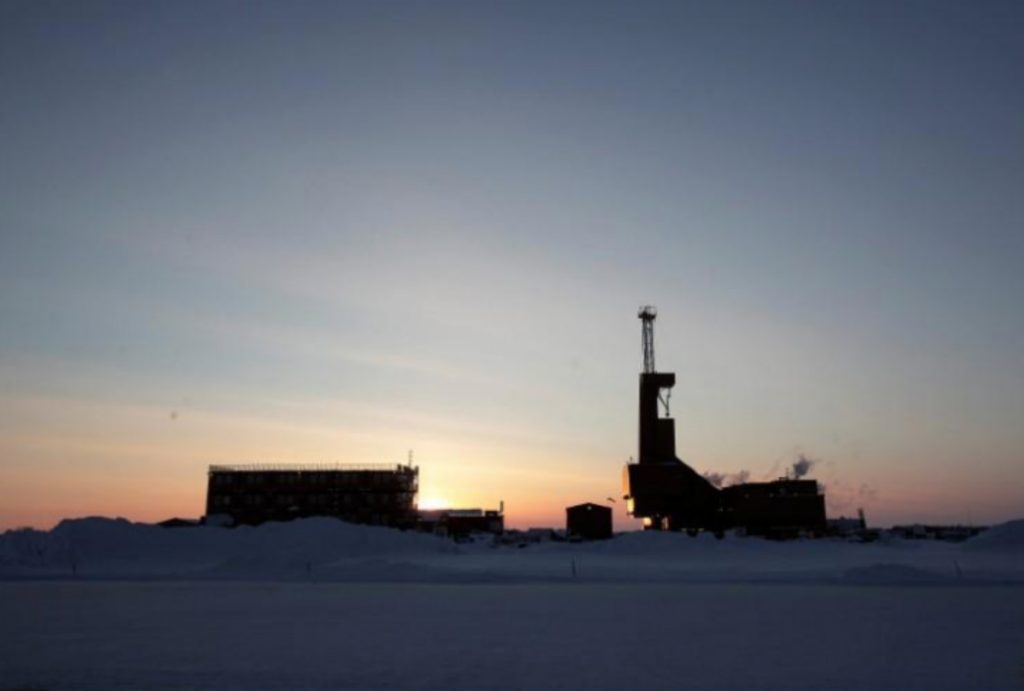
Drilling Rig

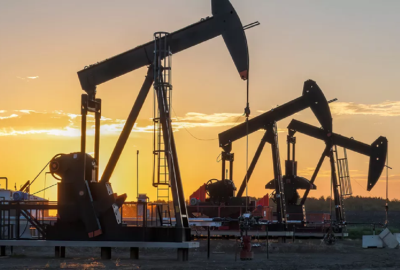
(Reuters) – The Trump administration on Thursday said it would hold a sale of oil and gas drilling rights across 5.5 million acres of Alaska’s National Petroleum Reserve on March 9.

WHY IT’S IMPORTANT

The sale is the first of at least five mandated by President Donald Trump’s One Big Beautiful Bill Act, which he signed into law last year. The U.S. has not offered tracts in the Alaska reserve, which is known as the NPR-A, since 2019.


Get the Latest US Focused Energy News Delivered to You! It’s FREE:


KEY QUOTE

“The National Petroleum Reserve in Alaska plays a vital role in advancing America’s energy independence, and Congress has repeatedly made clear their intent for timely leasing and responsible development in the region,” Bill Groffy, acting director of the Interior Department’s Bureau of Land Management, said in a statement.

THE REPLY

“Selling off our most sensitive public lands will only pad industry pockets at the expense of American communities and ecosystems,” Jenny Rowland-Shea, director of public lands at the Center for American Progress, a liberal think tank, said in a statement.

CONTEXT

This sale is part of the administration’s push to expand domestic oil and gas production and reverse Biden-era restrictions on drilling on millions of acres in the reserve. While supporters argue it bolsters energy independence, environmentalists warn of risks to one of America’s largest natural ecosystems.

BY THE NUMBERS

The BLM will offer more than 600 tracts on about 5.5 million acres. Currently about 1.6 million acres of the 23-million-acre reserve are leased to oil and gas companies.

WHAT’S NEXT

The BLM will accept sealed bids until March 5, and the auction will be livestreamed on March 9.

Reporting by Nichola Groom; Editing by Kirsten donovan

Share This:


More News Articles


  • Related Posts

    US Natural Gas Futures Fall More Than 8% on Milder Forecasts

    (Reuters) – U.S. natural gas futures fell by more than 8% on Monday on forecasts for milder weather than previously expected for the rest of the month, erasing the previous…

    Chevron’s Tengiz Oilfield Back to 60% of Usual Output, Two Sources Say

    Tengiz output has recovered to about 550,000 bpd, sources say Full recovery expected by February 23 Kazakhstan’s overall oil production on the rise January fires at power facilities caused prolonged…

    Have You Seen?

    US Natural Gas Futures Fall More Than 8% on Milder Forecasts

    • February 9, 2026
    US Natural Gas Futures Fall More Than 8% on Milder Forecasts

    Vitol Pushes Back Peak Oil Demand to Mid-2030s

    • February 9, 2026
    Vitol Pushes Back Peak Oil Demand to Mid-2030s

    Tengiz Oilfield Ramps Up Output to 550,000 Bpd after Fire

    • February 9, 2026
    Tengiz Oilfield Ramps Up Output to 550,000 Bpd after Fire

    Ukrainian Strikes Take a Heavy Toll on Russia’s Oil Refineries

    • February 9, 2026
    Ukrainian Strikes Take a Heavy Toll on Russia’s Oil Refineries

    Ranked: The Jobs Most Exposed to Generative AI, According to Microsoft – Visual Capitalist

    • February 9, 2026
    Ranked: The Jobs Most Exposed to Generative AI, According to Microsoft – Visual Capitalist

    US Natural Gas Futures Extend Decline as Forecasts Shift Warmer

    • February 9, 2026
    US Natural Gas Futures Extend Decline as Forecasts Shift Warmer

    TotalEnergies to Provide Solar Power to Google’s Texas Data Centres

    • February 9, 2026
    TotalEnergies to Provide Solar Power to Google’s Texas Data Centres

    Chevron’s Tengiz Oilfield Back to 60% of Usual Output, Two Sources Say

    • February 9, 2026
    Chevron’s Tengiz Oilfield Back to 60% of Usual Output, Two Sources Say

    Shell Needs Big Discovery or Deals as Oil, Gas Reserves Dwindle

    • February 9, 2026
    Shell Needs Big Discovery or Deals as Oil, Gas Reserves Dwindle

    New Zealand Eyes First LNG Terminal to Guard Against Power Shortages

    • February 9, 2026
    New Zealand Eyes First LNG Terminal to Guard Against Power Shortages