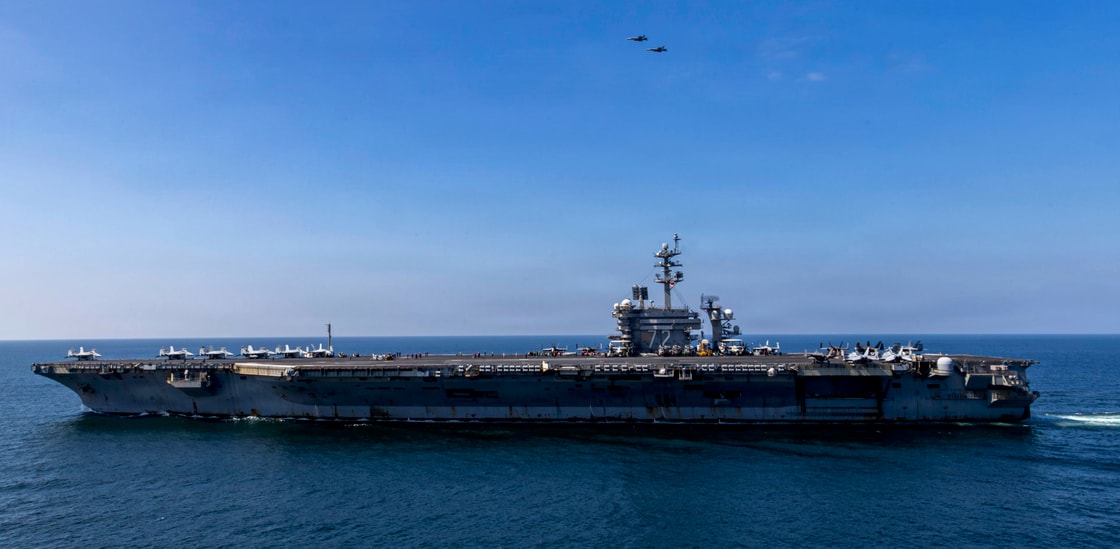
© US Central Command / USS Abraham Lincoln
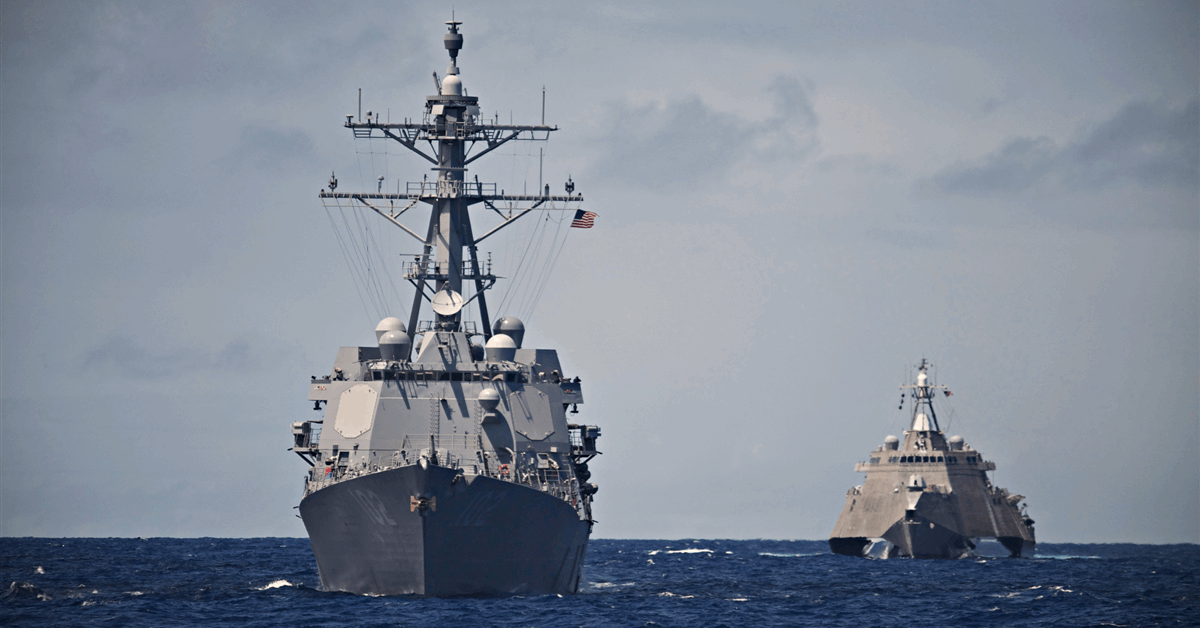
The next high-stakes move which will test the fragile two-week ceasefire in the Middle East conflict will see the US impose of blockade of Iranian ports in the Strait of Hormuz today (13 April).
The US Central Command (Centcom) forces will begin implementing a blockade of all maritime traffic entering and exiting ports at 10am eastern time.
It will be enforced impartially against vessels of all nations entering or departing Iranian ports and coastal areas, including all Iranian ports on the Arabian Gulf and Gulf of Oman.
Centcom forces will not impede freedom of navigation for vessels transiting the Strait of Hormuz to and from non-Iranian ports.
It said additional information will be provided to commercial mariners through a formal notice prior to the start of the blockade.
All mariners are advised to monitor notice to mariners broadcasts and contact US naval forces on bridge-to-bridge channel 16 when operating in the Gulf of Oman and Strait of Hormuz approaches.
Crude oil prices have already spiked above $100 a barrelfollowing the collapse of peace talks and the blockade announcement. Some analysts predict a further boost of $5 to $10 per barrel.
One encouraging move has seen QatarEnergy begin a partial restart of its Ras Laffan LNG production but the facility may take anything up to five years to fully recover to pre-conflict capacity.
Global LNG and helium trade continue to be heavily impacted by the disruption. Qatar accounts for a third of the world’s helium supply.
Read more:
Leading Canadian research labs are grappling as the supply crunch from the Middle East crisis intensifies.