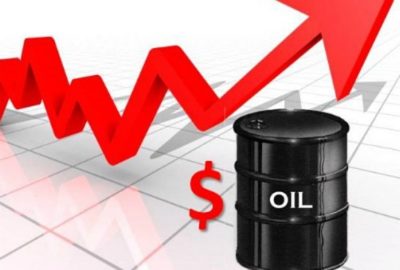
Vietnam is increasingly focusing on solar energy as a way to reduce its dependence on the unstable global fossil fuel market. A recent analysis shows that the country could save nearly $600 million by cutting down on imports of coal and liquefied natural gas (LNG). This move comes at a time when global energy prices are highly unpredictable due to geopolitical tensions and supply chain disruptions, which have made imported fuels more expensive and risky.
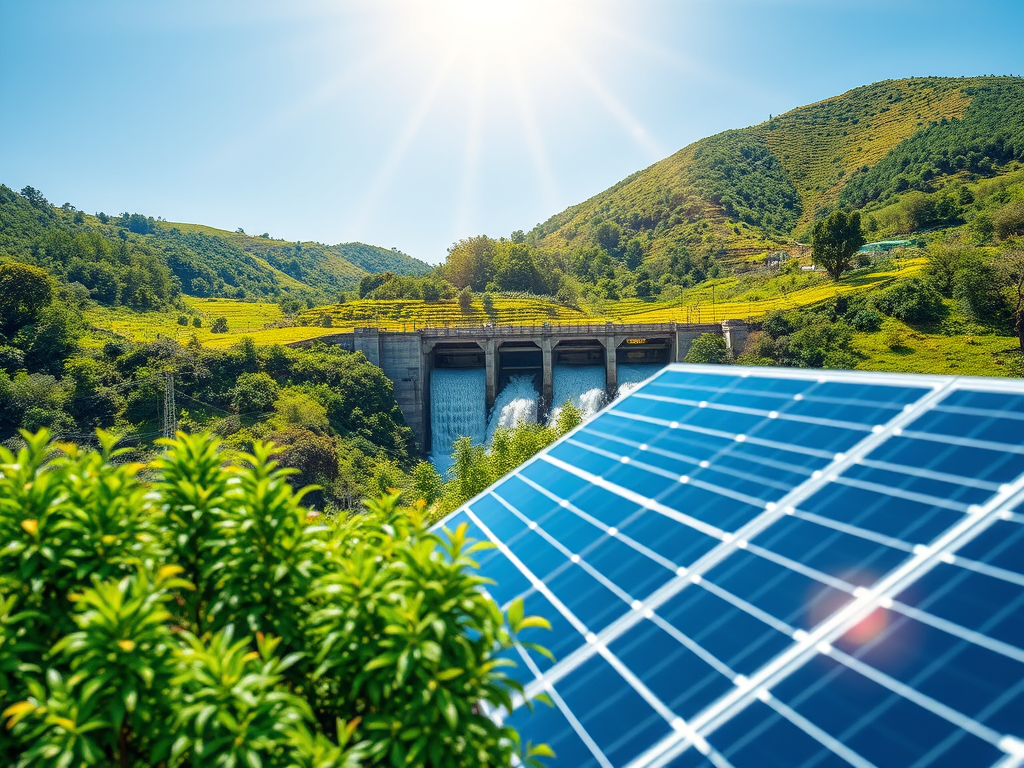
The report highlights that Vietnam has a natural advantage when it comes to solar energy. The country receives strong sunlight throughout the year, making it well-suited for large-scale solar power generation. This geographical benefit allows Vietnam to produce more of its own electricity instead of relying on foreign sources. As a result, the country can improve its energy security while also protecting its economy from sudden price increases in global fuel markets.
In recent years, Vietnam has seen rapid growth in solar installations. This expansion has been supported by favorable government policies and a rising demand for electricity, especially from industries. As the country continues to develop its manufacturing sector, the need for a stable and affordable power supply has become more important. Solar energy is emerging as a key solution to meet this demand while keeping costs under control.
The financial advantages of switching to solar power are significant. By reducing the need to import costly fossil fuels, Vietnam can directly save money. At the same time, the country can avoid long-term environmental costs linked to carbon emissions. With many countries introducing stricter climate regulations and carbon pricing, having a cleaner energy system can also help Vietnam remain competitive in global trade. Many international investors are now looking for countries that sustainability, and a green power grid can attract more investment.
However, the transition is not without challenges. One of the main issues is the need to upgrade the national power grid. Solar energy is not constant, as it depends on sunlight, which means electricity production can vary throughout the day. To manage this, Vietnam will need better energy storage systems, such as large-scale batteries, and a more flexible transmission network. This is especially important for transferring power from the sunny southern regions to industrial areas in the north.
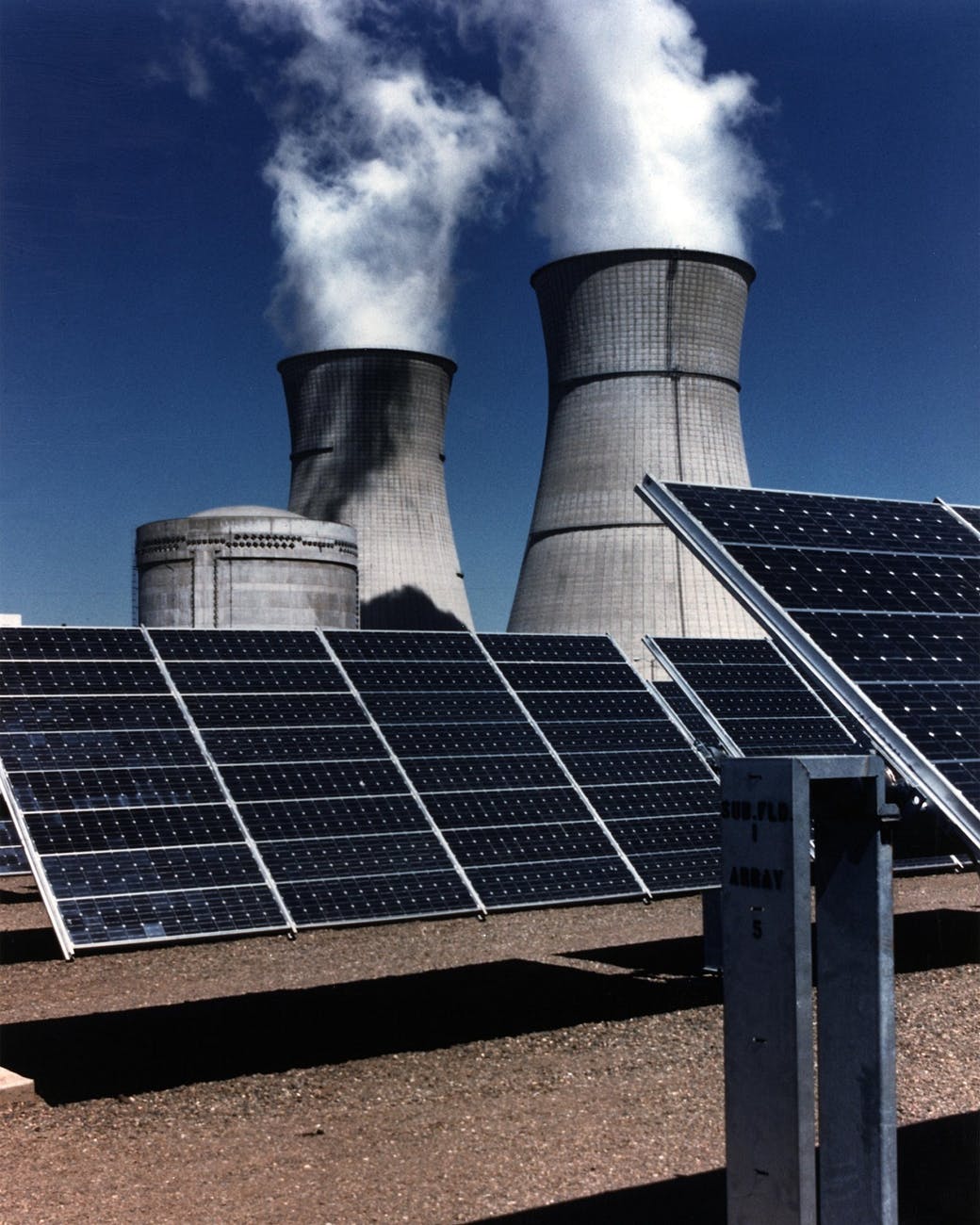
Experts believe that continuing to invest in solar and wind energy instead of building new coal-fired plants will help Vietnam avoid future price shocks in the global energy market. The potential savings of $600 million provide a strong economic reason to continue this transition. Overall, the shift toward renewable energy is not only an environmental step but also a strategic financial decision aimed at ensuring long-term economic stability and growth.
Subscribe to get the latest posts sent to your email.