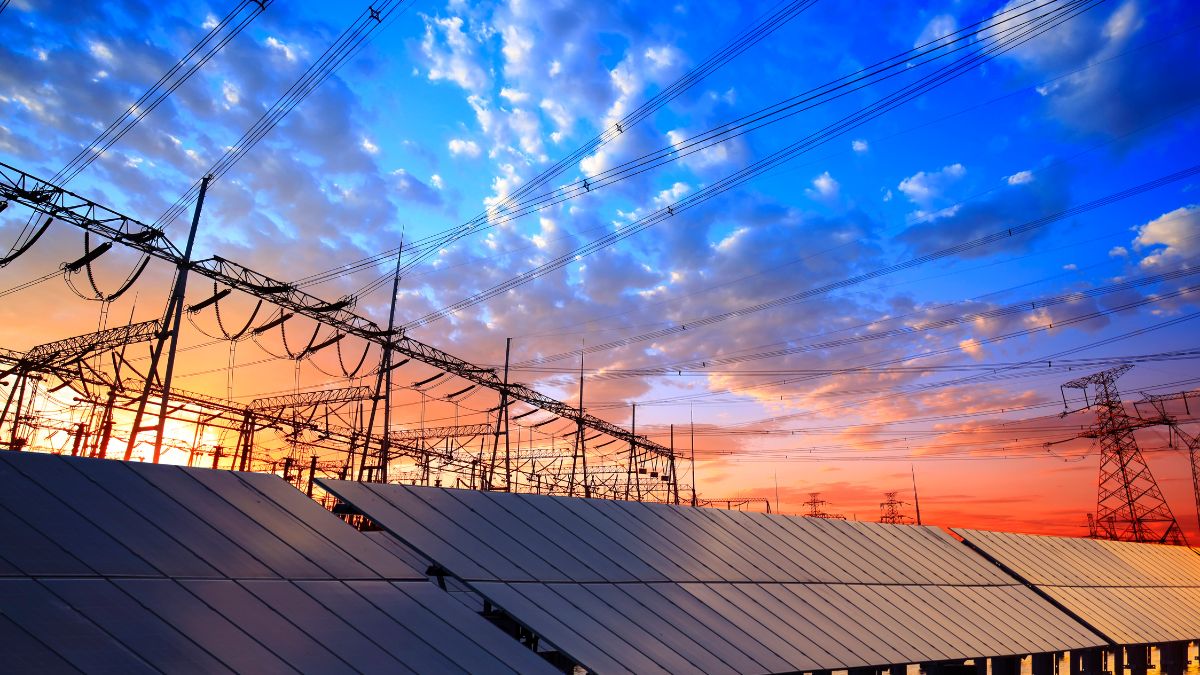
Vietnam’s Ministry of Industry and Trade (MoIT) has proposed significant revisions to the national Power Development Plan (PDP8), emphasizing an increased role for solar energy in the country’s electricity mix. The updated plan aims to triple the nation’s power capacity by 2030 and expand it up to seven times by 2050, aligning with both economic growth demands and global carbon neutrality commitments.
Major Capacity Expansion Targets
Under the revised PDP8, Vietnam’s total installed power capacity is expected to reach 211,800 MW by 2030—an increase of 56,200 MW over previous estimates. The plan outlines five potential scenarios to achieve this target, with renewable energy playing a pivotal role.
Solar Energy as a Key Driver
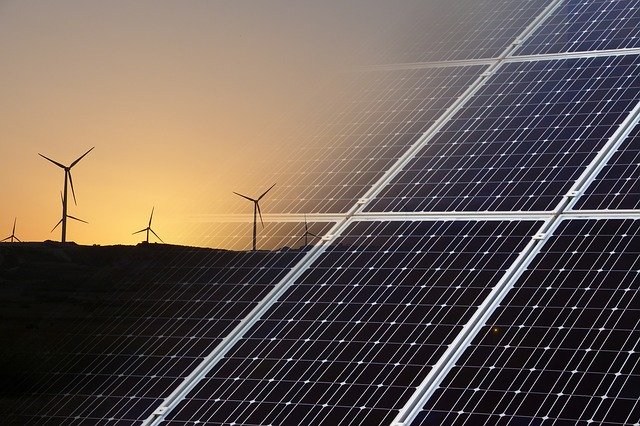
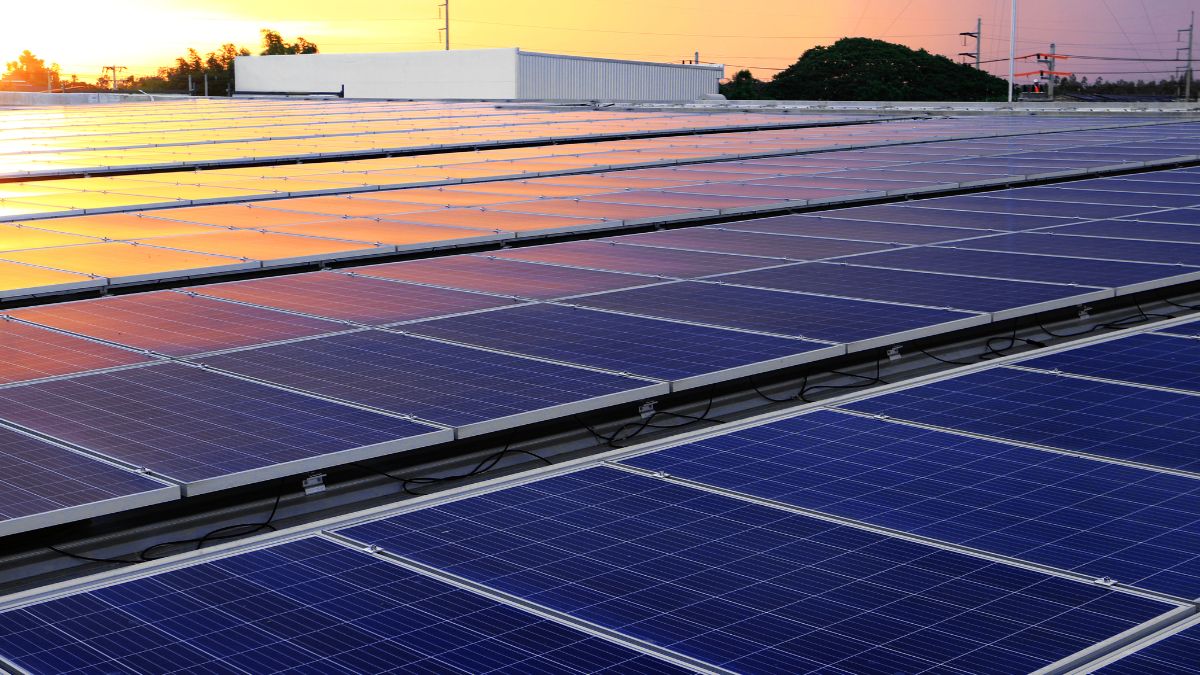
A major highlight of the revision is the expansion of solar power capacity to 34,000 MW—an increase of over 25,000 MW from earlier projections. This would boost solar energy’s share in Vietnam’s power structure from 5.7% to 16%. The rapid deployment capabilities of solar technology, which allows projects to be completed in just three to six months, make it an essential component of the country’s energy transition strategy.
Diversifying the Renewable Energy Portfolio
In addition to solar expansion, the updated plan proposes an increase in pumped storage hydropower from 2,700 MW to 15,250 MW, along with an additional 5,000 MW in hydropower output. Wind power will also see significant growth, with onshore and nearshore wind installations expected to increase by more than 7,000 MW. Imported electricity from China and Laos could triple to 14,600 MW. However, offshore wind projects have been excluded due to planning and feasibility concerns.
Long-Term Renewable Energy Goals
Looking beyond 2030, MoIT forecasts continued expansion in renewables, particularly rooftop solar, which could exceed 137,000 MW by 2050. Concentrated solar power is also expected to contribute an additional 77,000 MW, demonstrating Vietnam’s commitment to clean energy solutions.
Challenges in Implementation
Despite these ambitious plans, industry experts have raised concerns over regulatory challenges and delays in PDP8 execution. Nguyen Huy Hoach of the Vietnam Energy Association warned that achieving the proposed capacity targets requires major breakthroughs in infrastructure development and investment policies. Frequent regulatory changes have created uncertainty, impacting investor confidence and delaying project implementation.
Need for Policy Stability
Stakeholders have emphasized the necessity of a stable policy framework, particularly regarding pricing mechanisms for renewable energy. The lack of clear regulations has led to financing difficulties, slowing the growth of solar and wind projects. Ensuring consistency in energy policies is seen as crucial for attracting long-term investment and sustaining Vietnam’s clean energy transition.
The revised PDP8 signals Vietnam’s strong commitment to sustainable energy development. By fostering collaboration between government agencies, private investors, and regional stakeholders, the country aims to balance economic growth with environmental sustainability. If successfully implemented, the updated plan could position Vietnam as a leader in clean energy adoption in Southeast Asia.