Tuesday, 22 July 2025
In the rapidly evolving landscape of nuclear medicine, the integration of diagnostics and therapeutics – known as theranostics – represents a groundbreaking shift in how we approach the treatment of life-limiting conditions such as cancer. Wietse Smit, research and development manager, Urenco, looks at the potential, and the challenges, ahead.
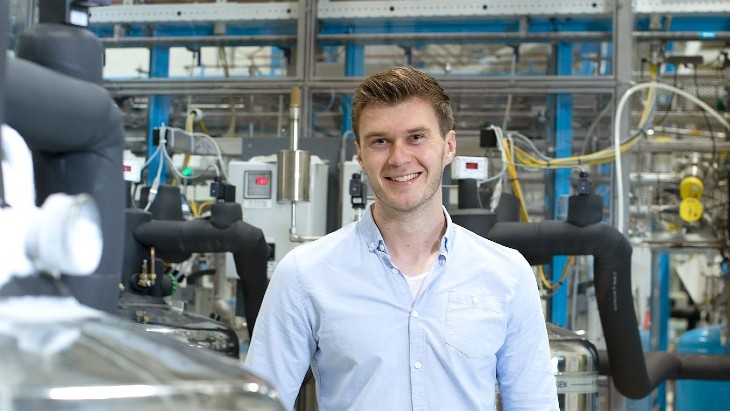
This innovative field leverages the unique properties of medical isotopes to both diagnose and treat cancer, offering a targeted and effective approach to patient care. I have witnessed first-hand the transformative potential of medical isotopes in unlocking the capabilities of theranostics and the potential benefits they offer to patients, their families and the healthcare providers.
At the forefront of this revolution is Urenco, whose pioneering work in developing new production routes for copper isotopes – specifically copper-64 (Cu-64) and copper-67 (Cu-67) – is setting new standards in medical isotope production and delivery.
Theranostics is a combination of “therapy” and “diagnostics”, reflecting its dual role in healthcare, particularly that associated with cancer care. This approach utilises radioisotopes to first image the tumour for diagnostic purposes and then treat the tumour therapeutically in a targeted fashion designed to offer the patient the best form of cancer care and treatment.
The process begins with the administration of a diagnostic radiotracer, which travels through the bloodstream and binds to cancer cells. This allows clinicians to visualise the tumour using imaging techniques such as positron emission tomography (PET). This technique is maturing significantly and high-resolution total body PET is revolutionising the way that tumours are found and screened. Once the tumour is accurately located and characterised, a therapeutic radiotracer is administered to deliver targeted radiation to the cancer cells, minimising damage to surrounding healthy tissue and reducing the overall body burden to the already compromised system.
The precision of theranostics lies in its ability to provide tailored, customised treatment to the individual accounting for the type of tumour, the stage of cancer and physiological factors of the patient. By combining diagnostic imaging with targeted therapy, theranostics not only improves the accuracy of cancer treatment but also enhances patient outcomes by reducing side effects and improving quality of life.
Medical isotopes are the cornerstone of theranostics, providing the radioactive properties necessary for both imaging and treatment. At Urenco, our focus has traditionally been on the production of stable isotopes, which serve as precursors for the creation of radioisotopes used in theranostics. At the heart of this offering is the copper 64/67 isotope pair; Cu-64 acts as an imaging agent to detect cancerous cells while predicting treatment efficacy using Cu-67. This dual functionality holds promise for patient treatment but also helps to reduce side effects by sparing healthy tissues. The production of these isotopes involves sophisticated enrichment processes and extensive R&D efforts.
We are exploring new ways to expand our offering of enriched isotopes to meet the growing demand from the medical community. Our work with zinc isotopes, for example, has positioned us at the forefront of developing precursors for theranostic applications, particularly in the emerging field of theranostics.
The impact of theranostics on patient care shows promise. By enabling more precise targeting of cancer cells, theranostics reduces the risk of secondary damage to healthy tissues, a common side-effect of traditional cancer treatments like chemotherapy and external beam radiation. Moreover, theranostics allows for real-time monitoring of treatment efficacy. By using diagnostic imaging to track the distribution and impact of therapeutic agents, clinicians can adjust treatment plans dynamically, ensuring optimal outcomes for patients.
Despite its promise, the field of theranostics faces several challenges. One of the primary hurdles is the limited production capacity for medical isotopes. Currently, the production landscape for Cu isotopes faces challenges due to reliance on nickel-based processes concentrated within limited supply chains. The demand for these isotopes has surged, particularly in the wake of geopolitical events that have disrupted traditional supply chains. At Urenco, we are actively working to expand our production capabilities to meet this demand, but it remains a significant challenge for the industry as a whole.
Another challenge is the need for continued research and development to explore new isotopes and refine existing processes. The field of theranostics is gaining momentum but still requires further understanding and optimisation. There is much to learn about the use of different isotopes in a variety of therapeutic contexts. Collaborative efforts between all parties in the supply chain including industry and academia are crucial to advancing our knowledge and strengthening our resilience and capabilities in this area.
Looking ahead, the future of theranostics is one which has so many benefits to offer. As we continue to refine our techniques and expand our understanding of the underlying science, the potential applications of theranostics will grow and mature offering the much-needed ray of hope for those affected by life-limiting conditions such as cancer. The integration of advanced imaging technologies with novel therapeutic agents holds the promise of advancing healthcare treatments and providing new options for patients.
At Urenco, we are committed to playing a leading role in this transformation. By investing in R&D and expanding our production capabilities, we aim to ensure a reliable supply of the medical isotopes that are critical to the success of theranostics. Our partnerships with academic institutions and other industry leaders will be key to driving innovation and overcoming the challenges that lie ahead.
In conclusion, theranostics have the potential to drive a paradigm shift in life-limiting conditions such as cancer, and offer more targeted, effective, and personalised approach to patient care. The role of medical isotopes in this field is pivotal, providing the foundation for both diagnostic and therapeutic applications.