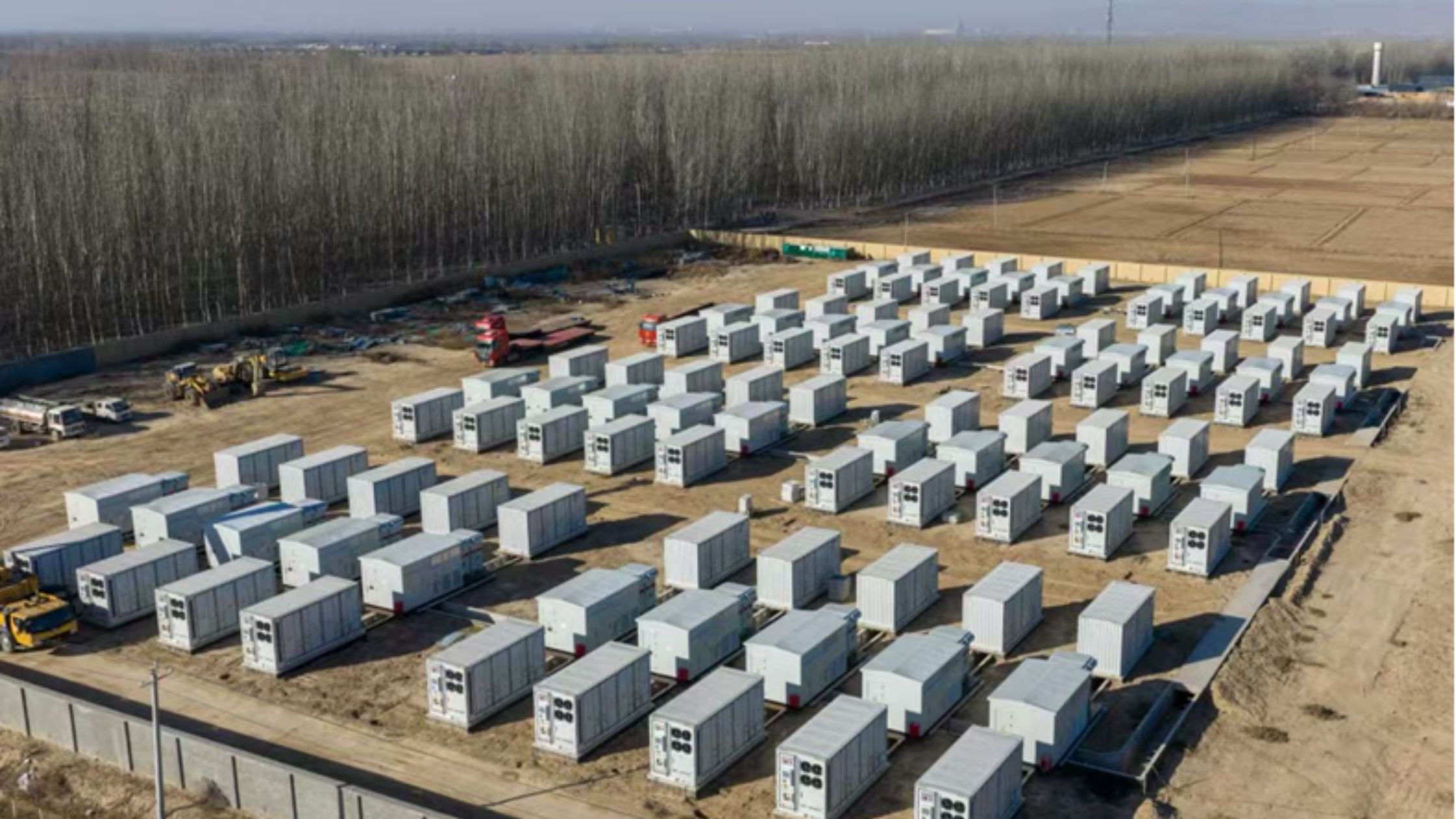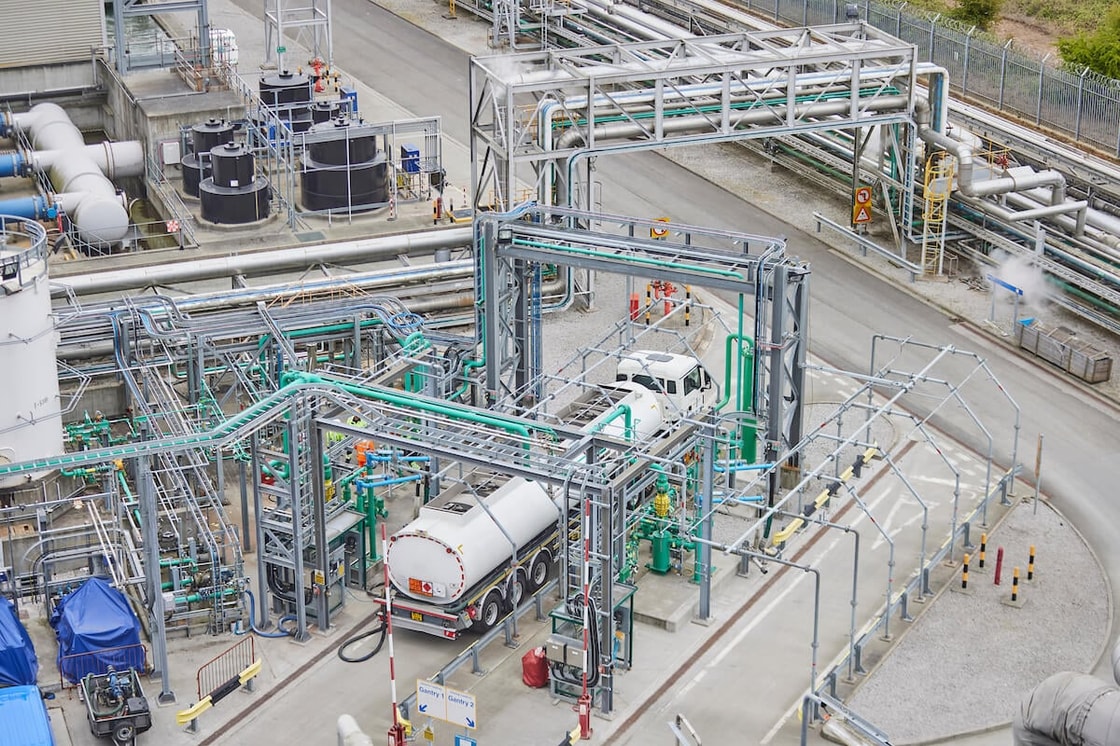
Associated British Foods has announced the closure of Vivergo, its UK bioethanol production plant in Hull, which also produces animal feed for UK farms.
The decision to close the plant follows extensive discussions with the UK government to find a regulatory and financial solution that would enable Vivergo to operate on a profitable and sustainable basis.
“The government has decided not to offer either short-term financial support or the long-term regulatory certainty we sought,” according to a statement.
“Given these circumstances and the financial losses already incurred, ABF has therefore determined in the interests of its shareholders that it cannot continue to support Vivergo. ABF will start an orderly closure process immediately. Vivergo will have ceased all production of bioethanol and animal feed by 31 August.”
ABF said the discussions were necessary because Vivergo’s commercial viability was undermined by the way in which UK regulations were being applied to favour foreign producers, an issue subsequently made much worse by the government’s decision in May to remove the tariffs on US bioethanol under the , and allow up to 1.4 billion litres to be imported annually.
“These two actions meant Vivergo would inevitably continue to be heavily loss-making without corrective government intervention,” it said.
UK CO2 sector impact
The news is seen as a major blow to the region’s bioethanol sector, while the knock-on effects are still be understood for the UK CO2 industry since the gas is produced as a by-product.
There is a view that shutting down the plants would place a major strain on the UK’s CO2 output, at a time when supplies in Europe are already tight (to listen to the recent CO2 podcast, click ). An Ensus spokesperson said the amount its plants account for UK CO2 supply varies depending on how much the UK chooses to import (depending on price and availability) but typically it is 30-40% and can be up to 60%.
Grant Pearson, Chairman of Ensus UK, met with Sarah Jones,the Minister for Business, today to receive the government’s response to its request for financial support and the policy changes required to ensure that the Ensus facilities can continue to operate.
“The Minister confirmed that they value both our contribution to the UK economy, the jobs we provide and support in the North East of England and in particular our production of biogenic CO2 which is a product of critical national importance,” he said.
“They are therefore looking at options to secure an ongoing supply of CO2 from the Ensus facility. This is positive news, however it is likely to take time to agree upon and finalise and therefore urgent discussions will be taking place to provide a level of assurance to the Sudzucker and CropEnergies Boards that there is a very high level of confidence that an acceptable long term arrangement can be reached.”
Commenting on the Vivergo closure, Unite general secretary Sharon Graham said, “This is a short-sighted decision that totally disregards the benefits the domestic bioethanol sector will bring to jobs and energy security. Once again, the government total lack of a plan to support oil and gas workers as the industry transitions is glaring.”
Bioethanol is also a key component of sustainable aviation fuel (SAF), which will be in huge demand in the years to come.
“Instead of having a domestic supply chain, with UK-made bioethanol going into SAF produced in transition-ready UK refineries like Grangemouth, the government is choosing to effectively ship jobs abroad,” the Unite statement added.
The Renewable Transport Fuel Association previously warned that the decision to allow US bioethanol into the UK tariff free is going to have “catastrophic consequences” for the UK industry, but the calls have fallen on deaf ears.
Ensus is considered to have critical national infrastructure status as it is the only large-scale CO2 capture plant in the country.
“Without this, we will be entirely dependent on imports of CO2 which is used widely not just in food manufacturing but also nuclear power stations and by the NHS,” the association added. The trade deal allows up to 1.4 billion litres of American ethanol to be imported into the UK tariff-free.
The estimated total demand for UK merchant CO2 came to approximately 1,512 tonnes per day (tpd) last year, according to the gas.
A significant 1,147 tpd was supplied to food & beverage manufacturers and customers in the general manufacturing sector used 197 tpd while chemical end-users consumed just under 72 tpd, electronics customers 36 tpd and healthcare customers 13 tpd. Most of the remainder of merchant CO2 demand was consumed in low volume applications such as filling fire extinguishers.
In 2022, liquid capacity dropped quite notably, by ~1,100 tpd, which was principally related to the Billingham and Ince sources of merchant CO2 being closed. The utilisation rate did rise slightly when this occurred (to 70%), but 2022 was also a down-year in terms of merchant gas demand overall, which tempered the utilisation spike.
“We project that merchant demand will continue to grow up to 2029, and if the level of liquid capacity stays around the same, the utilisation rate will be around 73% – still a level that indicates plenty of slack in the market. Beyond this, eventually the level of demand may rise to a point where new capacity is required, however, this may not occur for at least a decade so competition will remain low.”