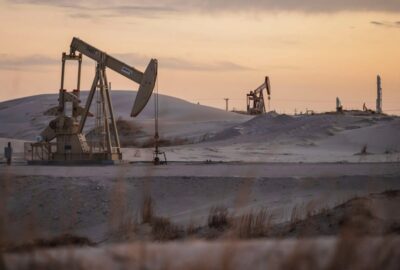
Washington is preparing to take another step deeper into Venezuela’s oil sector, with plans to issue a broad license that would allow companies to pump crude in the country for the first time in years.
According to people familiar with the matter who spoke to Bloomberg, the U.S. Treasury could issue the general license as soon as this week. If it happens, it would follow last week’s authorization allowing companies to buy, sell, ship, and refine Venezuelan crude—provided the activity runs through established U.S.-linked entities. Together, the moves amount to a partial reopening of an oil industry that has spent years trapped under sanctions, mismanagement, and decay.
After U.S. forces captured former president Nicolás Maduro in early January, the Trump administration made clear it wanted to move quickly to stabilize Venezuela’s economy by reasserting control over its most valuable asset. Oil is central to Washington’s strategy for stabilizing Venezuela’s economy.
Under the emerging framework, companies operating in Venezuela would deposit payments into a U.S.-controlled account in Qatar. Those funds would later be released to Venezuela’s central bank and auctioned into the local economy, keeping dollar flows under Washington’s supervision while giving Caracas enough liquidity to function.
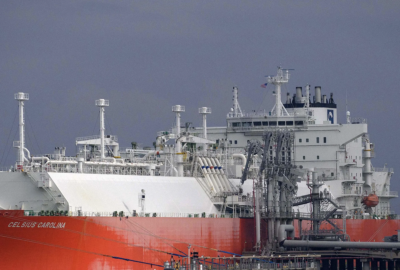
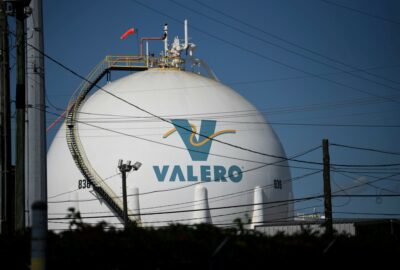
Venezuelan barrels are already making their way back onto the water after weeks of congestion caused by a partial U.S. naval blockade. But the destination is changing. China, once the main buyer of heavily discounted Venezuelan crude, is showing less enthusiasm now that discounts have narrowed and U.S. oversight has replaced gray-market trading. U.S. refiners, especially along the Gulf Coast, are again the obvious target for Venezuela’s heavy sour crude.
None of this solves Venezuela’s deeper problem. Years of underinvestment have left pipelines corroded, refineries unreliable, and production capacity a shadow of its former self. Analysts estimate it could take more than $180 billion and well over a decade to restore output anywhere near historic levels. Even companies open to the idea remain wary of political risk and the durability of the new power structure in Caracas.
By Julianne Geiger for Oilprice.com
More Top Reads From Oilprice.com
- Oil Tanker Rates Soar Amid Shipping Shortages and Middle East Tensions
- Kuwait Seeks Foreign Majors’ Help to Develop Offshore Fields
- BP Shareholders Demand Proof That Fossil Fuel Pivot Will Pay