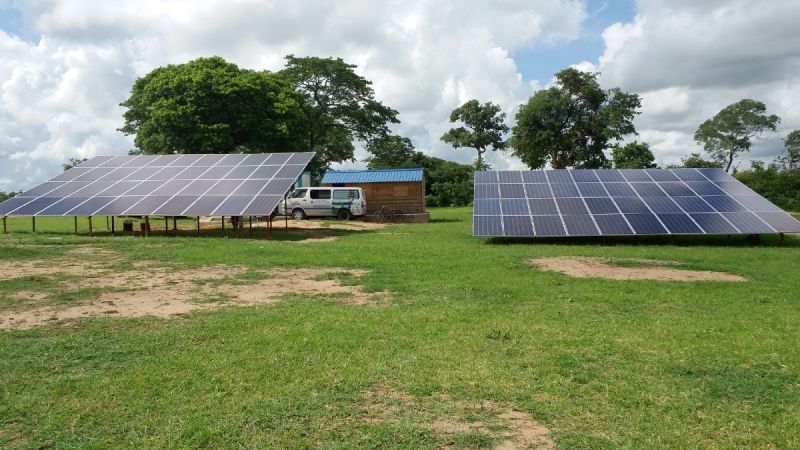
The village of Gojémé, in Togo’s Yoto prefecture, is witnessing a major transformation with the installation of a 30 kWp multi-functional solar platform that is reshaping livelihoods and boosting resilience.
The project, valued at over 105 million CFA Francs, was financed by the World Bank’s West Africa Coastal Areas Resilience Investment Project (WACA ResIP) and implemented with support from the Ministry of Environment.
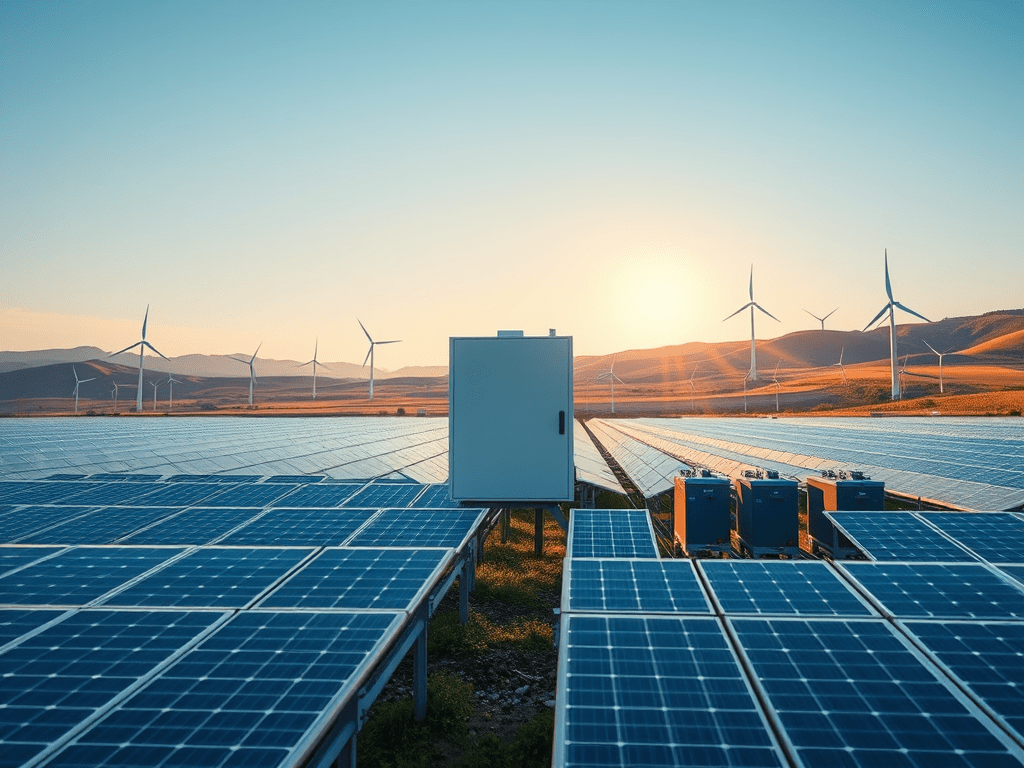
Equipped with 50 photovoltaic panels and lithium-ion batteries, the solar mini-plant supplies electricity to households, public lighting, and community infrastructure. It also powers essential services such as corn grinding, rice hulling, cassava grating, cellphone charging, and the local health center. The impact is immediate: the cost of grinding corn has been cut by half, reducing household expenses and freeing up income for families.
“The multi-functional platform is a true gem for the community, which can itself testify to the satisfaction it provides,” said Dr. Adou Rahim Alimi Assimiou, WACA project coordinator in Togo.
In addition to energy access, WACA has invested in income-generating activities. Villagers have received support for small ruminant farming, agriculture, and beekeeping. “This project has changed the face of the village,” said Togbé Lawè Xosé, a local community representative.
Environmental restoration is another pillar of the project. The Godjé-Godjin sacred forest has been reforested over 12 hectares, boosting biodiversity and creating opportunities for ecotourism. Women’s groups are also cultivating vegetables within the forest, while beekeeping initiatives are producing honey, diversifying household incomes and easing pressure on natural resources.
Sustainability is being ensured through local ownership. A community committee, supported by the National Agency for Grassroots Development (ANADEB), oversees the operation and maintenance of the solar platform and other assets. The co-management model, central to WACA’s philosophy, emphasizes that resilience is built with communities, not imposed on them.
While challenges remain in sustaining these resources, the project demonstrates how clean energy, community engagement, and environmental stewardship can combine to transform rural livelihoods and strengthen resilience in West Africa.
Subscribe to get the latest posts sent to your email.