In 2024, wholesale electricity prices in the United States were lower and less volatile than in previous years. Prices at major trading hubs across the Lower 48 states dropped compared to 2023. The decrease and stability in prices were mainly due to lower natural gas prices, increased generation from lower-cost renewable energy sources, and the addition of new battery storage capacity.
Electricity prices peaked in January because of colder-than-usual temperatures across much of the country, particularly in the Northwest. The cold weather drove up natural gas consumption, leading to higher natural gas prices and, in turn, higher prices for electricity generated from natural gas. After January, natural gas prices declined significantly. The Henry Hub spot price averaged $2.21 per million British thermal units for the year, marking the lowest inflation-adjusted annual average price on record. Because natural gas often determines the marginal price of electricity, these lower prices contributed to reduced wholesale electricity costs in most regions. Retail consumers, however, typically pay rates based on seasonal averages and do not experience these day-to-day price fluctuations.
Electricity generation in the Lower 48 states grew by 3% in 2024, equivalent to 121.2 billion kilowatt-hours. This increase partly reflected an extra day in the leap year. Natural gas-fired generation rose by 4%, solar generation increased by 37%, and wind generation grew by 8%. Conversely, coal-fired generation declined by 3%. Natural gas prices remained competitive with coal prices throughout the year, with natural gas often being the cheaper option due to its higher efficiency.
In most regions, natural gas-fired generation increased, but California and the Southwest saw reduced use of natural gas as solar energy replaced it. Coal-fired generation fell in the Northwest and Midwest but rose in the PJM Interconnection and the Southeast, which experienced higher electricity demand and reduced solar radiation.

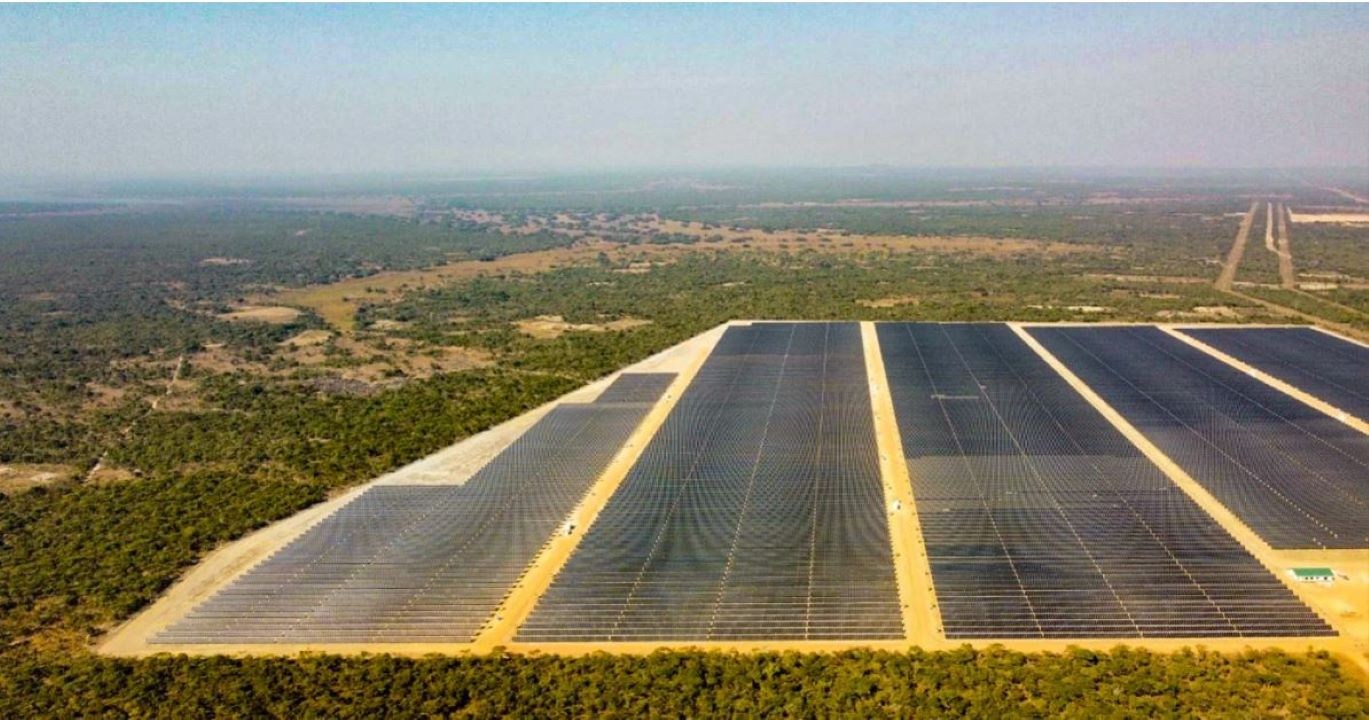
Solar generation saw significant growth due to record utility-scale capacity additions and favorable solar radiation during the summer. By November, 25 gigawatts of utility-scale solar capacity had been added, surpassing the previous record of 18.4 gigawatts set in 2023. Regions with high solar capacity, such as California, Texas, and the Southwest, particularly benefited from above-average solar radiation. The Southeast, however, experienced below-average solar radiation, limiting gains in solar generation.
Wind generation also increased as new capacity came online. By November, 3.7 gigawatts of wind capacity had been added, with total additions expected to reach 5.5 gigawatts by year-end. Nuclear generation rose slightly, driven by the startup of Georgia Power’s Vogtle Units 3 and 4, which added 2.2 gigawatts of capacity.
Hydropower generation experienced mixed results, with slight declines overall. While most regions saw modest increases, hydro generation fell in California, New England, and Florida due to drought conditions.
Generation from other sources, including municipal waste, batteries, hydrogen, and other miscellaneous energy sources, decreased by 23.5 billion kilowatt-hours compared to 2023. The largest drop occurred in Florida, where one authority reclassified much of its generation previously categorized as “other” to natural gas starting in February.
Overall, 2024 saw a continued transition in the U.S. electricity generation mix, with lower natural gas prices and the rapid expansion of renewable energy playing key roles in shaping the market.