Kenya is making remarkable strides toward achieving universal electricity access by 2030, positioning itself as a regional leader in clean energy and economic development, according to the International Energy Agency’s (IEA) latest Energy Policy Review of the country.
The report highlights Kenya’s strong commitment to electrification, with access to electricity rising from 37% in 2013 to 79% in 2023—including full coverage in urban areas. A key driver of this progress is the Last Mile Connectivity Project (LMCP), launched in 2015, which has delivered electricity to 9 million rural residents, nearly halving the number of people without access in under a decade. The initiative continues, with plans to connect another 280,000 households by the end of 2025.
Off-Grid Solar Leadership
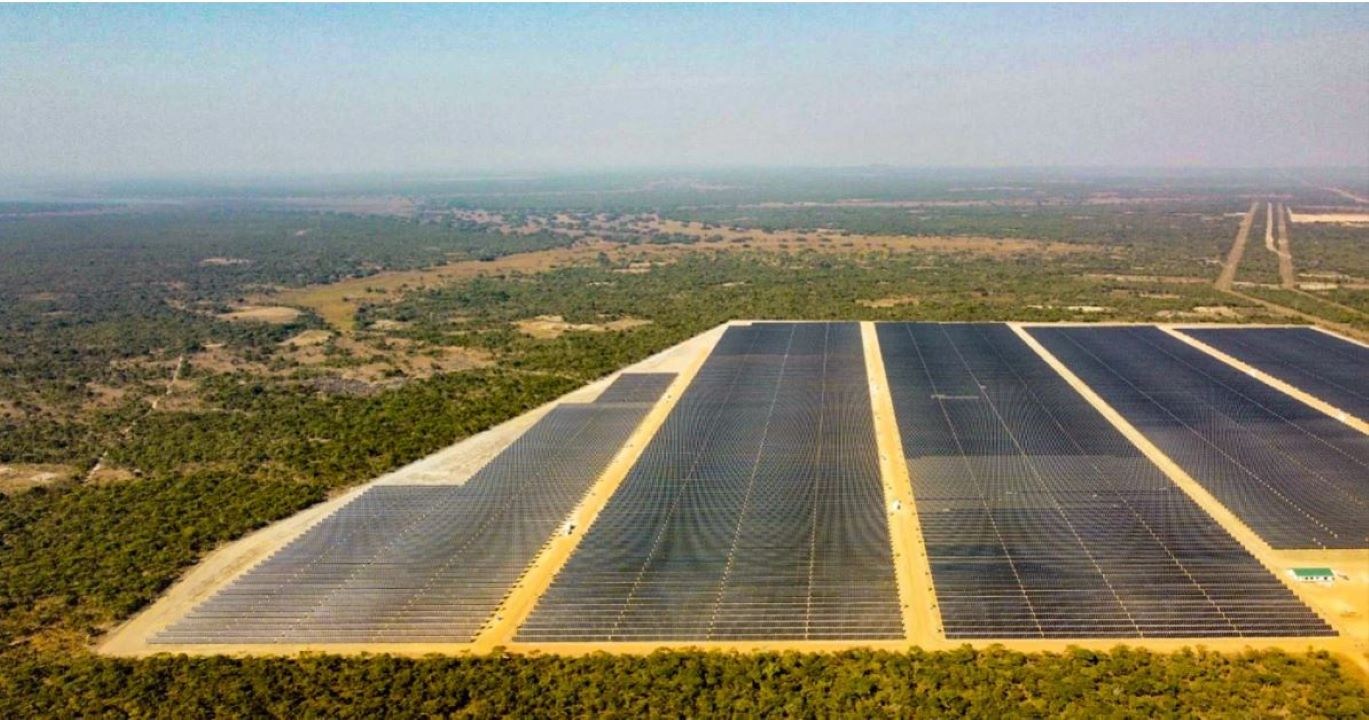
Kenya is also leading East Africa in off-grid solar adoption. In 2023, the country accounted for nearly 75% of all solar home system sales in the region, providing vital access to remote and underserved communities. Today, one in five Kenyan households uses a solar-powered mini-grid or standalone system—an essential part of Kenya’s inclusive electrification strategy.
Clean Energy at the Core
Low-emissions energy sources are the backbone of Kenya’s electricity mix, with geothermal, hydro, wind, and Solar accounting for nearly 90% of total power generation. Kenya is home to the Lake Turkana Wind Project, Africa’s largest wind farm, and boasts some of the lowest-cost geothermal energy projects globally. Geothermal alone contributes almost one-third of the country’s electricity generation capacity.
Advancing Clean Cooking Access
The report also commends Kenya’s progress in expanding access to clean cooking solutions, which has grown from 10% in 2013 to over 30% in 2023. However, millions of rural households still rely on polluting fuels like firewood, charcoal, and kerosene. The newly launched Kenya National Cooking Transition Strategy (KNCTS) sets a clear roadmap for universal clean cooking access by 2028, emphasizing the need for integrated planning, affordable technologies, and resilient supply chains.
Grid Modernisation & Private Investment
Efforts to modernize Kenya’s power grid are also underway. In 2024, new regulations opened transmission and distribution networks to private sector investment, aimed at boosting competition, lowering costs, and enhancing efficiency. Despite these advances, the grid still suffers from high losses—estimated at 23% in 2023—due to technical inefficiencies, theft, and billing issues. The report recommends smart grid solutions and improved system management to tackle these challenges.
Policy Alignment and Future Outlook
The review coincides with Kenya’s development of its Draft National Energy Policy (2025–2034), presented by Energy Minister Wandayi. The IEA was closely involved in the policy’s consultation process, and its recommendations have been incorporated into the draft.
Despite lingering challenges in affordability and regulatory coordination, the IEA concludes that Kenya is well-positioned to meet its long-term energy and development goals. With robust policy frameworks, a skilled workforce, and abundant renewable resources, Kenya is paving the way toward a sustainable, inclusive, and secure energy future.
The IEA conducts regular energy policy reviews to support national policy development and share international best practices, helping countries build effective strategies for energy transition and climate resilience.