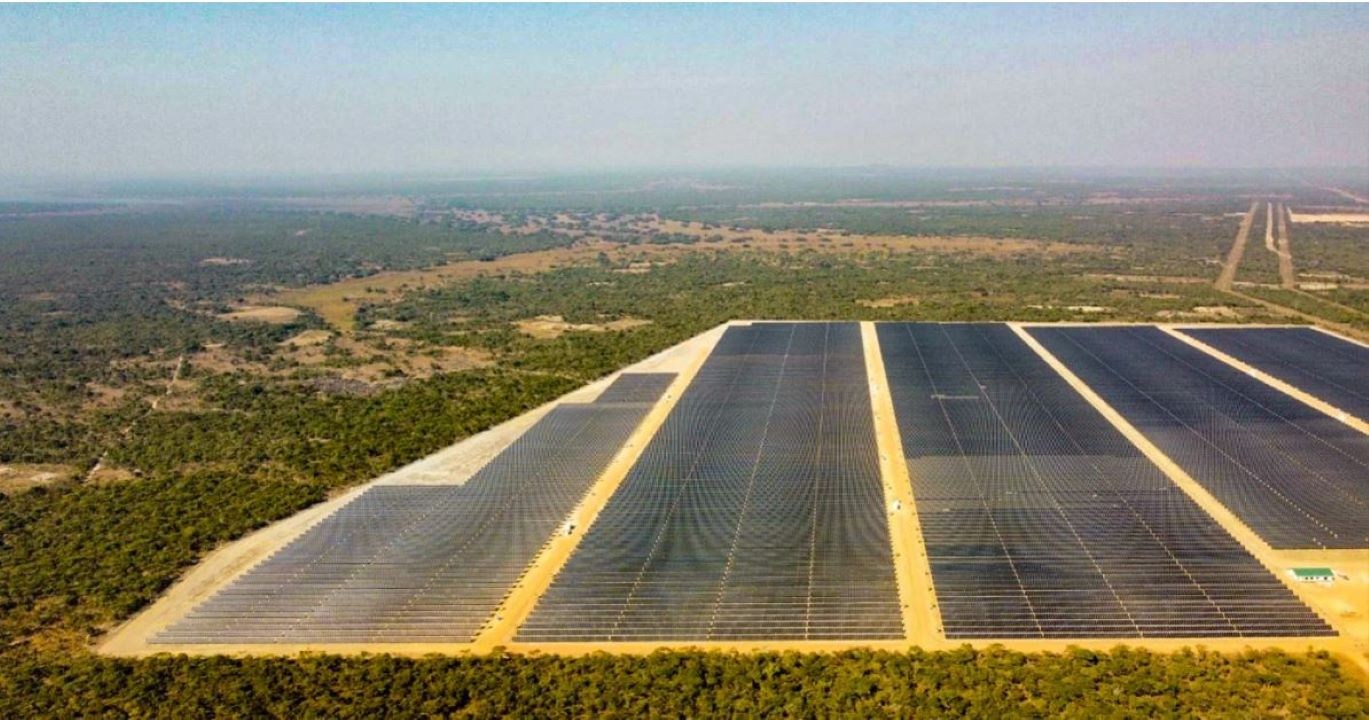
Vietnam’s Ministry of Industry and Trade (MOIT) has unveiled a revised feed-in tariff (FIT) framework for solar power, incorporating location-based pricing and, for the first time, incentivizing projects equipped with energy storage systems (ESS). The new policy marks a significant shift in the country’s renewable energy strategy, aimed at improving grid stability and increasing energy autonomy.
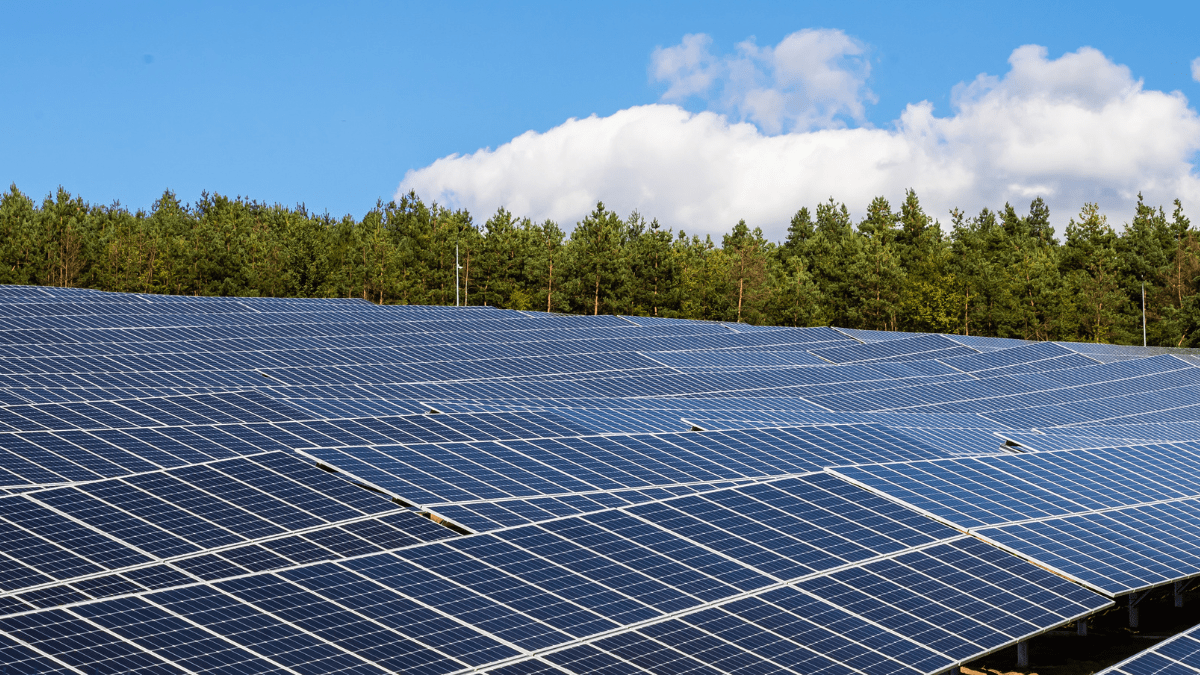
Under the updated tariff structure, solar projects are now divided into ground-mounted and floating categories, and segmented further by region—North, Central, and South Vietnam. Tariffs are calibrated based on solar resource availability, infrastructure costs, and local electricity demand, with higher rates awarded to projects that integrate ESS.
To qualify for the elevated FIT, projects must meet specific storage conditions, including a minimum ESS capacity equivalent to 10% of the solar plant’s installed capacity, a charge/discharge capability of two hours, and a requirement that at least 5% of total electricity generation is used for charging the system.
The revised FITs follow earlier versions that lacked regional or ESS-related distinctions. In January 2023, rates topped out at NT$1.49/kWh for ground-mounted solar and NT$1.89/kWh for floating solar, with no additional incentives for energy storage.
The new policy has received a mixed response from the renewable energy sector. Supa Waisayarat, Vietnam advisor for Thailand-based Super Energy Corporation, welcomed the clarity and structure offered by the updated scheme.
“This is a positive step forward. By introducing transparent pricing and supporting storage, the MOIT is helping unlock new opportunities for power purchase agreements and project financing,” Waisayarat said.
However, concerns remain among developers who argue that the updated FITs, despite being higher, still may not be sufficient to attract large-scale investment. With tariffs denominated in Vietnamese dong, many developers face currency fluctuation risks, especially when financing is based on the US dollar.
Additionally, ongoing delays in the issuance of Renewable Energy Certificates (RECs) have added to investor uncertainty.
Beyond solar, MOIT has also introduced FIT rates for other power technologies. Hydropower projects will receive a capped rate of USD 0.043/kWh, while natural gas combined cycle (NGCC) thermal power plants are set at a higher rate of USD 0.12/kWh.
The latest FIT revision reflects Vietnam’s strategic focus on diversifying its energy mix while addressing grid integration challenges. As electricity demand continues to rise, the country’s evolving tariff policies will play a crucial role in shaping its clean energy future.