Oil Wells Per Location in Lower 48 US States More Than Double in Past Decade, EIA Says

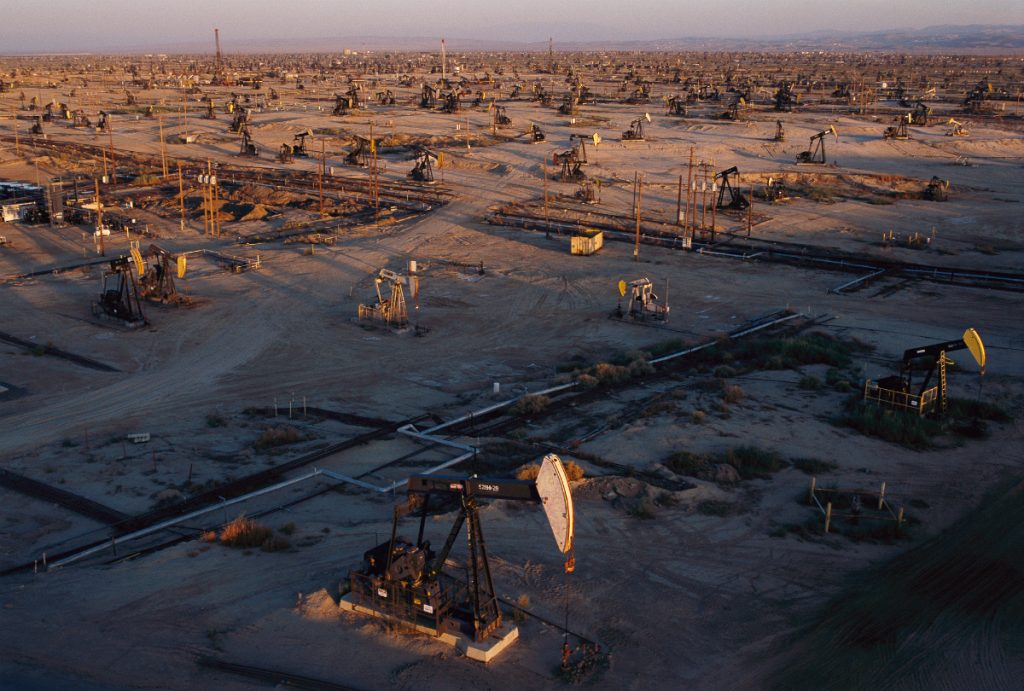
California Oil Pumpjacks

(Reuters) – The U.S. Energy Information Administration said on Wednesday that it estimates that the average number of oil wells completed simultaneously within 50 feet of each other in the Lower 48 states has more than doubled over the past decade.

The agency said that simultaneous well completion per location had increased from 1-1/2 wells in December 2014 to more than three wells in June 2024, allowing operators to “accelerate their production timeline and reduce their costs per well.”

The EIA has defined wells drilled within 50 feet of each other to be at a single location.

It attributed this increase in the number of simultaneous completions to “significant technological advances in hydraulic fracking operations, particularly in equipment capabilities.”

EIA analysis shows simultaneous well completions to have increased since 2017.

Although operators recognized the potential benefits of completing multiple wells at once prior to 2017, the practice initially faced technical barriers, the EIA said. These included the need for more hydraulic horsepower at the location to fracture multiple wells simultaneously, it added.

“Adoption of electric frac fleets, which provide better power management, has played a crucial role in the increase in simultaneous completions,” the EIA said.

Electric fracking is a method of hydraulic fracturing that uses electric-powered equipment rather than traditional diesel-powered fracking equipment.

Traditional well-drilling operations relying exclusively on diesel-powered pumps require constant fuel delivery by trucks.

Thus, the transition to electric frac fleets helped streamline operations by utilizing locally available fuel sources, such as field or compressed natural gas and electricity from the grid, the EIA noted.

Reporting by Ishaan Arora in Bengaluru; Editing by David Gregorio

Share This:


More News Articles
 

  • Related Posts

    Top US Refiners See Profits Soar, Step Up Investor Rewards

    By Nicole Jao Top refiners post combined second-quarter profit of $12.6 billion Capital returns to shareholders hit $6.3 billion in second quarter TD Cowen sees Marathon and Valero each repurchasing…

    BofA to Plow $250 Billion Into Critical Infrastructure Projects

    By Paula Seligson and Katherine Doherty Bank of America Corp. unveiled a $250 billion initiative to invest in critical infrastructure across the US over the next year, joining its peers…

    Have You Seen?

    Wholesale Gas Prices Are Reaching Consumers Faster, ECB Says

    • September 21, 2026
    Wholesale Gas Prices Are Reaching Consumers Faster, ECB Says

    Saudi Arabia Reroutes Oil Exports as Houthi Strikes Target Yanbu

    • September 21, 2026
    Saudi Arabia Reroutes Oil Exports as Houthi Strikes Target Yanbu

    EFC breaks ground on $210m-backed Texas manufacturing facility

    • September 21, 2026
    EFC breaks ground on $210m-backed Texas manufacturing facility

    U.S. Diesel Hits Record $6.50 as Global Fuel Crunch Deepens

    • September 21, 2026
    U.S. Diesel Hits Record $6.50 as Global Fuel Crunch Deepens

    Norway’s Arctic Oil Pitch Falls Flat in Brussels

    • September 21, 2026
    Norway’s Arctic Oil Pitch Falls Flat in Brussels

    Trafigura Launches Volare Shipping to Cash In on Record Tanker Rates

    • September 21, 2026
    Trafigura Launches Volare Shipping to Cash In on Record Tanker Rates

    India’s Coal Demand Set to Jump 4.2% as Plant Stocks Hit Critical Lows

    • September 21, 2026
    India’s Coal Demand Set to Jump 4.2% as Plant Stocks Hit Critical Lows

    The $134bn AI wave set to revolutionise semiconductor fabs and gas procurement

    • September 21, 2026
    The $134bn AI wave set to revolutionise semiconductor fabs and gas procurement

    Vorn Bioenergy acquires five biogas plants in Italy

    • September 21, 2026
    Vorn Bioenergy acquires five biogas plants in Italy

    Has the Oil Market Changed Forever?

    • September 21, 2026
    Has the Oil Market Changed Forever?