Jaipur Vidyut Vitran Nigam Limited (JVVNL), on behalf of all the distribution licensees in Rajasthan, has filed a petition with the Rajasthan Electricity Regulatory Commission (RERC) seeking amendments to the existing 2021 regulations. These regulations, known as the RERC (Grid Interactive Distributed Renewable Energy Generating Systems) Regulations, govern the functioning of distributed renewable energy systems in the state. The petition requests specific amendments that would allow the introduction of Virtual Net Metering (VNM) and Group Net Metering (GNM) frameworks in Rajasthan.
The petition has been filed under Sections 86(1) and 181 of the Electricity Act, 2003, and following Regulations 20, 21, and 22 of the RERC DREGS Regulations, 2021 and its amendments. The Commission has now issued a public notice inviting comments and suggestions on the petition from interested persons who might be affected by the proposed changes. These suggestions must be submitted in six copies to the Receiving Officer of the Commission by or before June 16, 2025. A copy of the petition is available on the RERC website or can be obtained by paying ₹100 to the Receiving Officer.
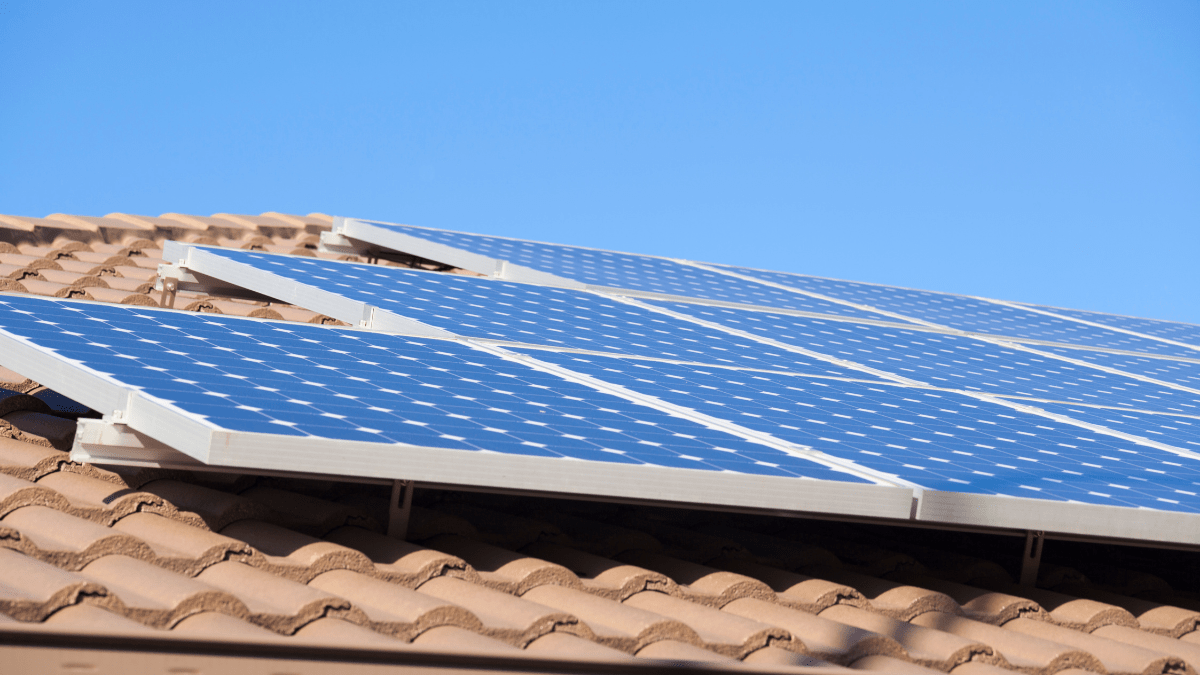
In the explanatory memorandum attached with the petition, JVVNL highlighted that the current 2021 regulations cover Net Metering, Net Billing, and other grid-connected renewable energy systems. However, they do not include specific provisions for Virtual Net Metering and Group Net Metering. The introduction of these two mechanisms is essential for the effective implementation of the PM Surya Ghar: Muft Bijli Yojana announced by the Government of India on February 29, 2024. This national initiative aims to install rooftop solar systems in one crore households across the country.
To support this scheme, the Central Government has also released Operational Guidelines for a Payment Security Mechanism and Central Financial Assistance for RESCO and Utility Led Aggregation (ULA) models. Under the RESCO model, a Renewable Energy Service Company installs and maintains the solar rooftop system for at least five years. Under the ULA model, DISCOMs or State Government agencies take the lead in installing systems on behalf of individual consumers.
The petitioners argue that while the current regulations support the RESCO model, they lack the necessary provisions for Virtual Net Metering and Group Net Metering, which are vital for the successful implementation of the ULA model. The introduction of these provisions would allow broader participation, including community or shared solar projects and consumers with physical space limitations.
The petition also references similar moves by other state regulatory bodies. Commissions in Delhi, Odisha, Maharashtra, and Assam have already implemented VNM and GNM regulations to promote greater solar adoption.
The RERC, in line with Section 181(3) of the Electricity Act, 2003 and the Electricity (Procedure for Previous Publications) Rules, 2005, has therefore called for public consultation before finalizing any amendment. The regulatory body stresses the importance of collecting feedback from stakeholders before implementing changes to encourage inclusive and transparent regulation.