India is actively making significant progress towards its commitment to achieve Net Zero emissions by 2070, with a strong focus on transforming its energy sector. A key player in this transition is NTPC, the country’s largest power company, which has recently entered into an important agreement with Sustainable Energy for All (SEforALL) to guide its shift towards cleaner energy. This collaboration aims to develop a comprehensive roadmap for NTPC’s energy transition, ensuring it aligns with India’s broader energy security goals, development priorities, and net-zero commitments.
The roadmap will involve detailed analysis, including modeling various scenarios for NTPC’s short, medium, and long-term strategic plans, estimating necessary investments, identifying opportunities for diversification into different clean energy sources, and assessing the socio-economic benefits that will arise from embracing cleaner energy systems. NTPC’s dedication to this energy transition is already evident through its pioneering research and development efforts and large-scale deployment of innovative clean energy projects.
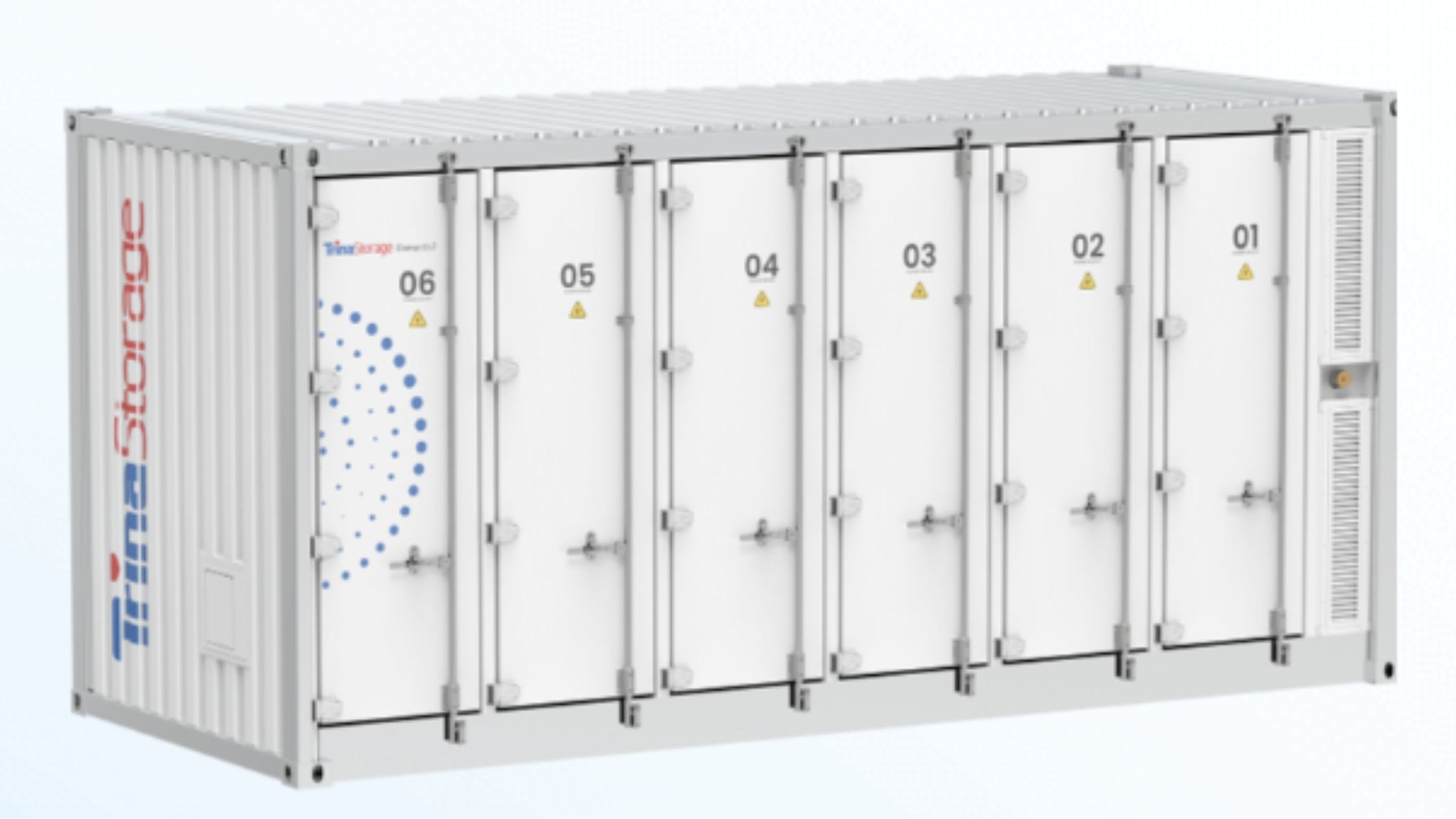
These include pilot projects for green hydrogen production, installation of floating solar photovoltaic (FSPV) systems, development of advanced battery energy storage systems (BESS), establishment of pumped storage hydropower facilities, and advancements in carbon capture and utilization (CCU) technologies. Since its establishment in 1975, NTPC has been instrumental in powering India’s industrial growth and urban expansion. Demonstrating its forward-looking vision, NTPC became the first major utility in India to commit to a UN Energy Compact in 2021.
Gurdeep Singh, Chairman and Managing Director, NTPC, stated, “Our aim is to foster responsible, sustainable economic development through an energy strategy that champions energy security, social inclusiveness, environmental stewardship, and growth powered by data, technology, and innovation. This agreement positions us to meet the rising demand from communities and industry while keeping us at the leading edge of the energy transition.”
“India continues to show climate leadership on the global stage moving beyond commitment to concrete actions while demonstrating that the energy transition in emerging countries can co-exist alongside economic development. We are excited to support NTPC to co-create net zero roadmap for the energy giant of India. I laud NTPC for its commitment to transitioning to cleaner energy sources,” commented Damilola Ogunbiyi, CEO and Special Representative of the UN Secretary-General for Sustainable Energy for All.
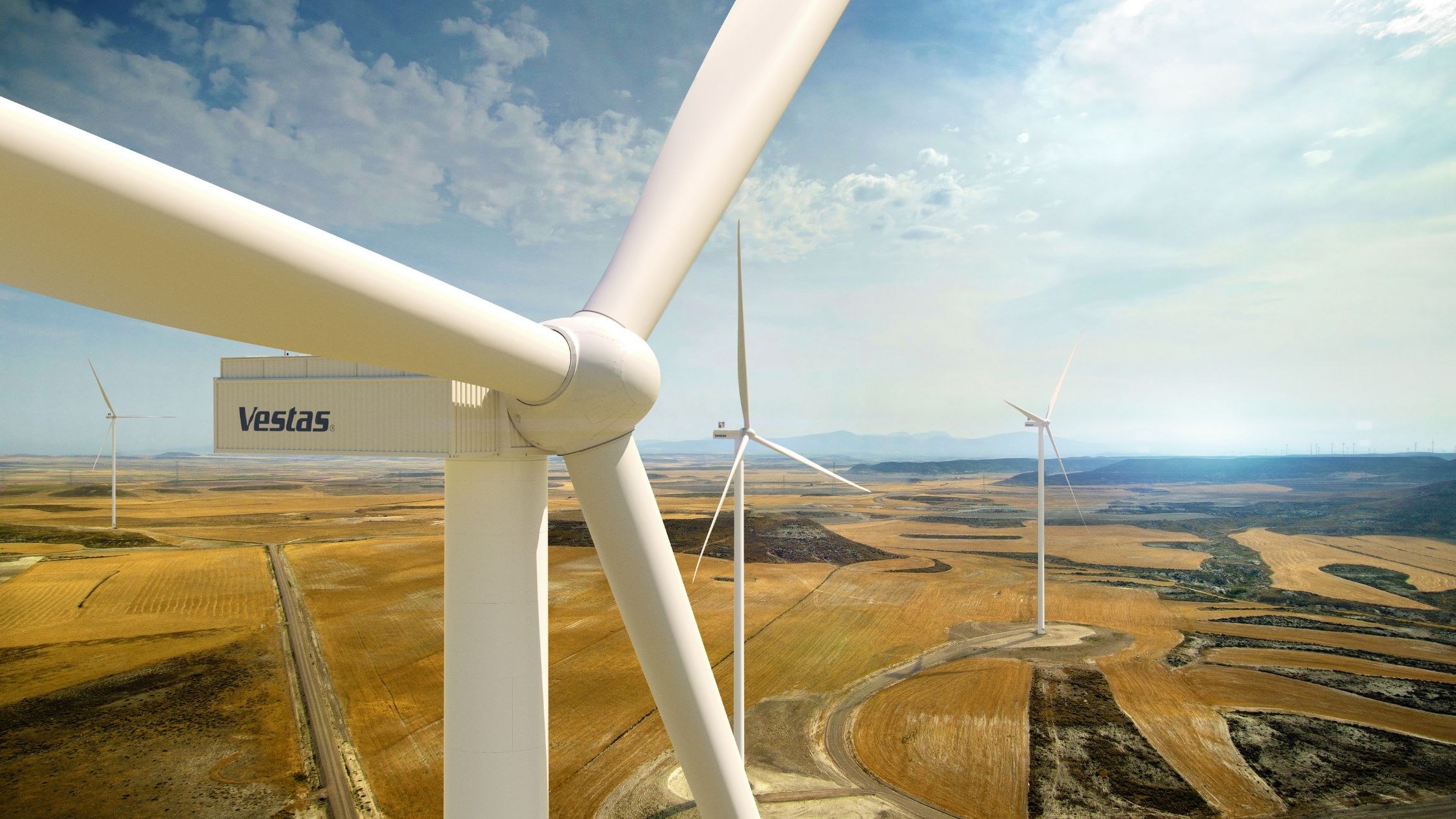
As part of this commitment, the company has set ambitious targets, including a plan to install 60 gigawatts (GW) of renewable energy capacity by 2032. While NTPC’s installed capacity has historically been dominated by thermal power plants, the company has rapidly increased its share of renewable energy through significant investments in solar, wind, and hydro installations. This strategic expansion has made NTPC a crucial driver of India’s energy security, contributing close to one-fourth of the nation’s total electricity production.