The Ministry of Power, Government of India, has issued a letter dated June 11, 2025, proposing key changes to Rule 18 of the Electricity Rules, 2005. These proposed amendments aim to strengthen the policy framework for Energy Storage Systems (ESS) in the Indian power sector. To make the rules more inclusive and practical for today’s energy needs, the Ministry has invited comments from stakeholders such as central ministries, regulatory bodies, public sector units, industry associations, and academic institutions. The deadline for submitting feedback is July 10, 2025.
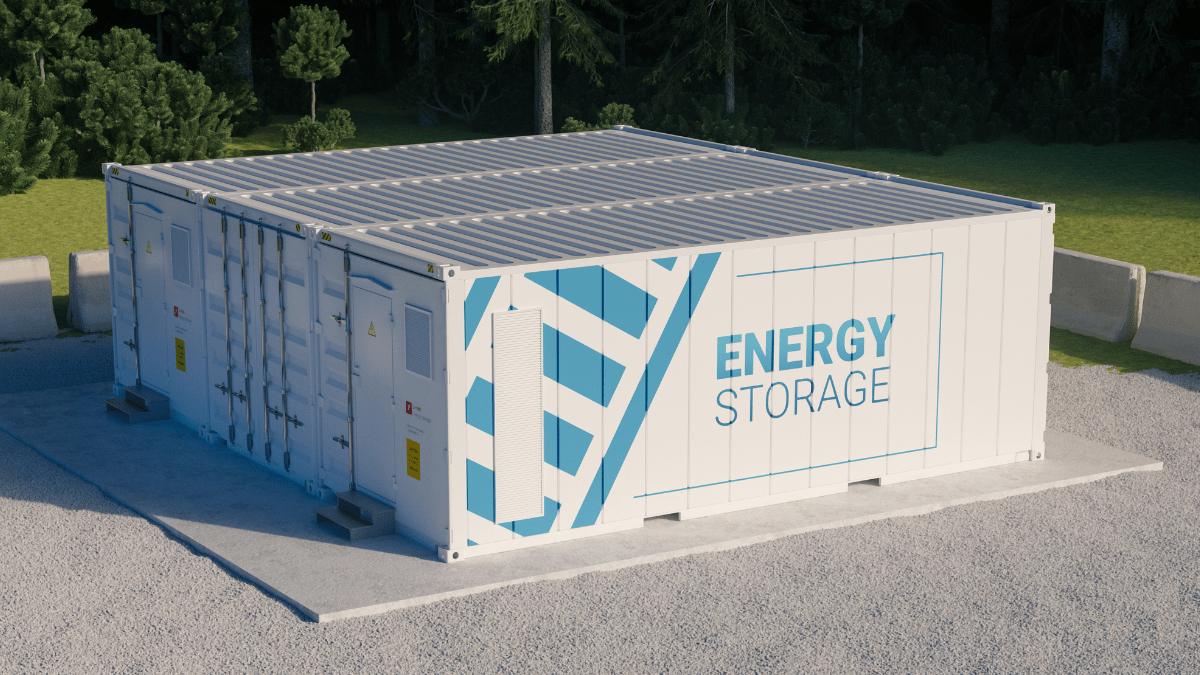
One of the most important changes is in sub-rule (2) of Rule 18. It proposes that Energy Storage Systems may be used either as standalone systems or as a part of power generation, transmission, or distribution infrastructure. This flexibility means that ESS can now be placed and used at any level of the electricity value chain. This change is seen as a move to allow better integration of ESS into the national grid and help improve energy reliability.
Another proposed change is in sub-rule (4)(a), which broadens the eligibility for developing, owning, leasing, or operating ESS. It states that any generating company, transmission licensee, distribution licensee, consumer, system operator, or independent energy storage service provider can participate in the ESS sector. This is expected to attract new investments and allow multiple types of players to enter the energy storage market.
Sub-rule (4)(b) explains the legal status of an Energy Storage System. It clearly states that the ESS will have the same legal identity as its owner, regardless of where it is located. Even if the system is not located near a power plant or consumer but is still owned and operated by them, it will carry their legal identity. However, for tasks like scheduling and dispatch, it will be considered as a separate storage element. This clause is important for ensuring better coordination in grid operations.
Sub-rule (5) of the proposed amendments brings in commercial flexibility. It allows the developer or owner of an Energy Storage System to sell, lease, or rent out the entire storage system or any part of it. This can be done to any consumer, utility involved in generation, transmission, or distribution, or even to a Load Despatch Centre. This flexibility is meant to help in the optimal use of storage space and promote business models that can support grid services.
These proposed changes reflect the government’s growing focus on energy storage as a key enabler of grid stability and renewable energy integration. Energy storage can help manage peak demand, balance supply and demand, and ensure better use of renewable energy sources like solar and wind. The Ministry’s move to invite suggestions from a wide group of stakeholders also shows a collaborative approach to finalizing these important rules.
The Electricity Rules were first notified in 2005 and had their last major update in March 2024. The new amendments mark another step forward in updating India’s electricity regulations to meet the demands of a changing energy landscape.