Although relatively contained, the rise has not gone unnoticed just three years after Russia’s invasion of Ukraine triggered a surge in energy prices that ramped up global inflation and sparked aggressive interest rate hikes.
Here’s a look at what rising oil means for world markets.
Get the Latest US Focused Energy News Delivered to You! It’s FREE:
1/ HOW HIGH?
Oil prices have crept rather than surged higher with investors taking comfort from no noticeable interruption to oil flows.
Still, pay attention.
The premium of first-month Brent crude futures contract to that for delivery six months later this week rose to a six-month high as investors priced in an increased chance of disruptions to Middle East supply. It remained elevated on Friday.
Trading at around $77 a barrel, oil is below 2022’s $139 high, but is nearing pain points.
“If oil goes into the $80-100 range and stays there, that jeopardizes the global economy,” said ABN AMRO Solutions CIO Christophe Boucher. “We are just below that threshold.”
2/ SUPPLY SHOCK?
Traders have an eye on shipping, often seen as a key energy bellwether.
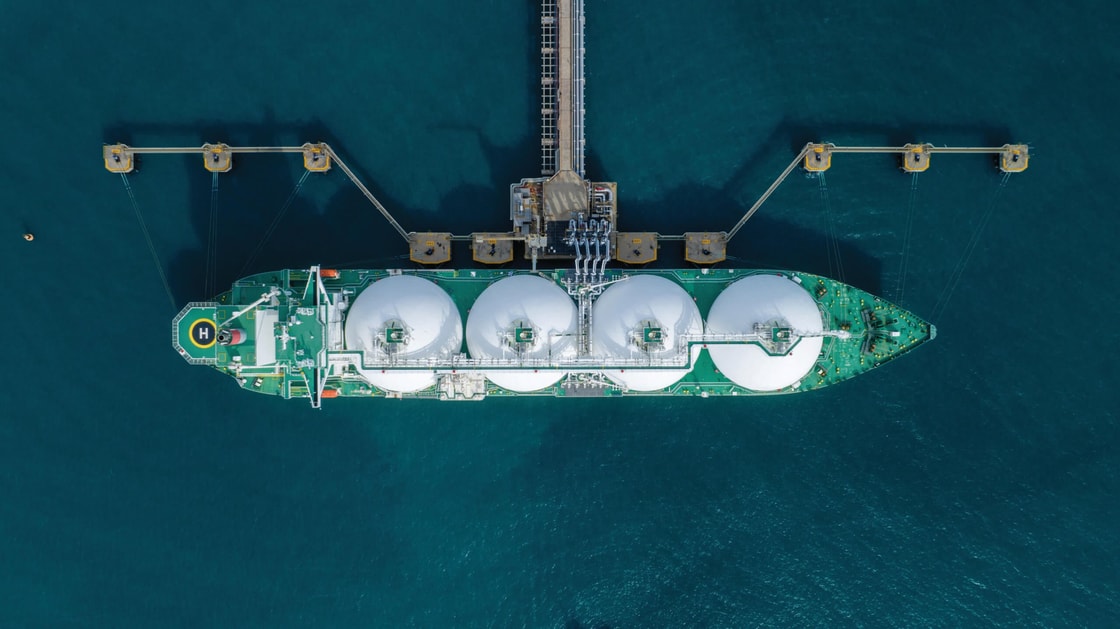
About a fifth of the world’s total oil consumption passes through the Hormuz Strait between Oman and Iran. Disruption here could push oil above $100, analysts say.
Blocked shipping routes would compound any supply shock. Though the big oil producing countries that make up OPEC+ have promised an extra 1.2 million barrels a day, none has yet been shipped or delivered, said hedge fund Svelland Capital director, Nadia Martin Wiggen.
Blocked shipping routes would mean this expected supply would not come into the international market, she said.
She’s watching freight rates closely.
“So far, freight rates show that China, with the world’s biggest spare refining capability, hasn’t started panic buying oil on supply concerns,” said Wiggen.
“Once China starts to buy, freight rates will rise, and world’s energy prices will follow.”
3/ NO OIL, NO GROWTH
Rising oil prices raise worries because they can lift near-term inflation and hurt economic growth by squeezing consumption.
High oil prices work like a tax, say economists, especially for net energy importers such as Japan and Europe as oil is hard to substitute in the short term.
Lombard Odier’s chief economist Samy Chaar said that sustained oil prices above $100 a barrel would shave 1% off global economic growth and boost inflation by 1%.
Unease rose after Israel launched its strike on Iran a week ago. An initial rally in safe-haven bonds soon evaporated as focus turned to the inflationary impact of higher oil.
The euro zone five-year, five-year forward, a closely-watched gauge of market inflation expectations, climbed to its highest level in almost a month.
“In the United States $75 oil is enough to, if it’s sustained, boost our CPI forecast by about half a percent by the year end, to go from 3 to 3.5%,” said RBC chief economist Frances Donald.
Turkey, India, Pakistan, Morocco and much of eastern Europe where oil is heavily imported are set to be hit hardest by the rise in crude prices. Those that supply it; Gulf countries, Nigeria, Angola, Venezuela and to some degree Brazil, Colombia and Mexico should get a boost to their coffers, analysts say.
4/ OH KING DOLLAR
A shift is taking place in the dollar.
In recent years the currency has risen when oil rallies, but it has had only limited support from oil’s latest rise, with a weekly gain of just 0.4%.
Analysts expect the dollar’s downward trend to resume, given expectations of limited Middle East risks for now and underlying bearish sentiment.
It has weakened around 9% so far this year against other major currencies, hurt by economic uncertainty and concern about the reliability of U.S. President Donald Trump’s administration as a trading and diplomatic partner.
No doubt, a weaker dollar heals the sting from higher oil, which is priced in dollars.
“For oil-importing countries, the dollar’s fall offers some relief, easing the impact of soaring oil prices and mitigating wider economic strain,” UniCredit said.
5/ COMPLACENT STOCKS?
In the absence of an oil-supply shock, world stocks are happy to stick near all-time highs.
“Investors want to look past this until there’s a reason to believe this will be a much larger regional conflict,” said Osman Ali, Goldman Sach’s Asset Management’s global co-head of Quantitative Investment Strategies.
Gulf markets sold off on the initial news, then stabilised somewhat, helped by the higher oil prices. U.S. and European energy shares, particularly oil and gas companies have outperformed, as have defence stocks.
Israeli stocks, up 6% in a week, have been the most notable outperformer.
Stocks of oil consumers have been the worst hit, airlines stand out.
(Reporting by Nell Mackenzie, Alun John, Linda Pasquini, David Milliken, Dhara Ranasinghe, Marc Jones and Stefano Rebaudo, Editing by David Evans)
Share This:
More News Articles