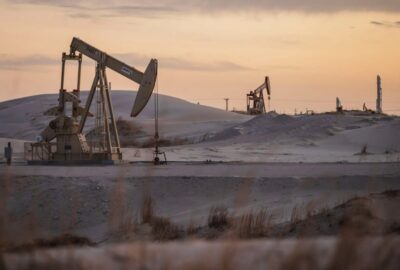
- US shale oil producers are unlikely to increase production in response to President Donald Trump’s call to “Drill, Baby, Drill” and will instead prioritize hedging contracts to lock in revenue.
- Companies are wary of being caught off guard by another false start in global crude markets and will not spend heavily on new drilling without sustained higher prices.
- Producers will focus on hedging their production to ensure revenue, with some companies looking to take advantage of higher prices to put a safety net under their production.
US shale oil producers are unlikely to heed President Donald Trump’s latest call to “Drill, Baby, Drill” as they prioritize hedging over ramping up production in response to US military strikes on Iran.
Wary of being caught by yet another false start in global crude markets, US oil companies are likely to use hedging contracts to lock in revenue for future output rather than spend heavily on new drilling, analysts said.
Trump called to increase in US drilling in a social media post Monday in order to prevent oil prices from rising. West Texas Intermediate declined 4% at 12:47 p.m. in New York to $71.92 a barrel, after an earlier rally faded.
Get the Latest US Focused Energy News Delivered to You! It’s FREE:
The US produces about 13.4 million barrels a day, more than Saudi Arabia and Iran combined, and companies in its shale basins have a unique ability to ramp up output quickly — within about 6 to 9 months — with the right oil-price incentive. But lately, they’ve been pulling back, cutting rigs and workers after crude prices slumped on concerns over the impact of Trump’s tariffs on consumption and increased supply from OPEC.
“You can’t do ‘Drill, Baby, Drill’ overnight,” said Tom Seng, an assistant professor of energy finance at in Fort Worth. “We’ll have to see higher prices for several months before companies start adding rigs again.”
US Shale Drillers May Wait Longer Before Turning on Taps
Prices are up about 30% since May 5, lowest close since Feb. 2021
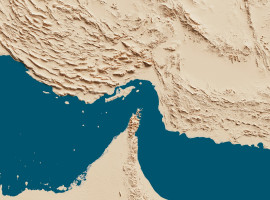
Prices have rebounded since hitting a four-year low in April and at the start of this week’s trading after US strikes on Iran’s three main nuclear sites over the weekend stoked concerns of disruptions to energy flows from the Middle East, which accounts for about a third of global crude supply.
But in the shale oil fields of Texas, North Dakota and New Mexico, executives are unlikely to change their capital budgets based on abrupt price moves, according to Peter McNally, an analyst at . US production has largely stagnated this year with some companies that shale is at or near its peak.
“It’s not just about price — it’s about the sustainability of that price,” McNally said. US producers “would need six months of sustained higher prices for the industry to substantially change their activity levels.”
Hedging will take priority over any plans to increase production, said Kirk Edwards, a former chairman of the Permian Basin Petroleum Association who now runs a small, closely-held oil producer.
“US oil producers will be tremendously busy this week getting their production hedged” if futures rise to the $70 range for the next 12 months, Edwards said. “Some companies got caught naked by the price drop in April so this is a second chance to get in and put a safety net under their production.”
The shale industry today is financially stronger than before Covid-19 when executives funded aggressive growth plans with debt. Consolidation and investor demands for dividends and buybacks have prompted a focus on and attempts to preserve the best acreage.
“For the upstream players to abandon capital discipline on a geopolitical event like this is unlikely,” said Dan Pickering, chief investment officer at in Houston. “They’re going to accept higher cash flows in the short term, make a little bit more money, probably do some hedging.”
Price spikes from geopolitical event rarely last, said Al Salazar, head of macro oil & gas research at energy consultant .
“So enjoy the ride,” Salazar said. “History suggests that this is just a temporary move.”
Share This:
More News Articles




![POWER Digest [October 2026]](https://energyheadlines.com/wp-content/uploads/2026/09/ai-generated-solar-array-RAwm8e.jpeg)