One of Japan’s biggest energy firms, ENEOS, is re-entering the joint venture operating the Malaysia LNG Tiga project with a 10% stake under a deal it has signed with Malaysia’s state oil and gas firm Petronas.
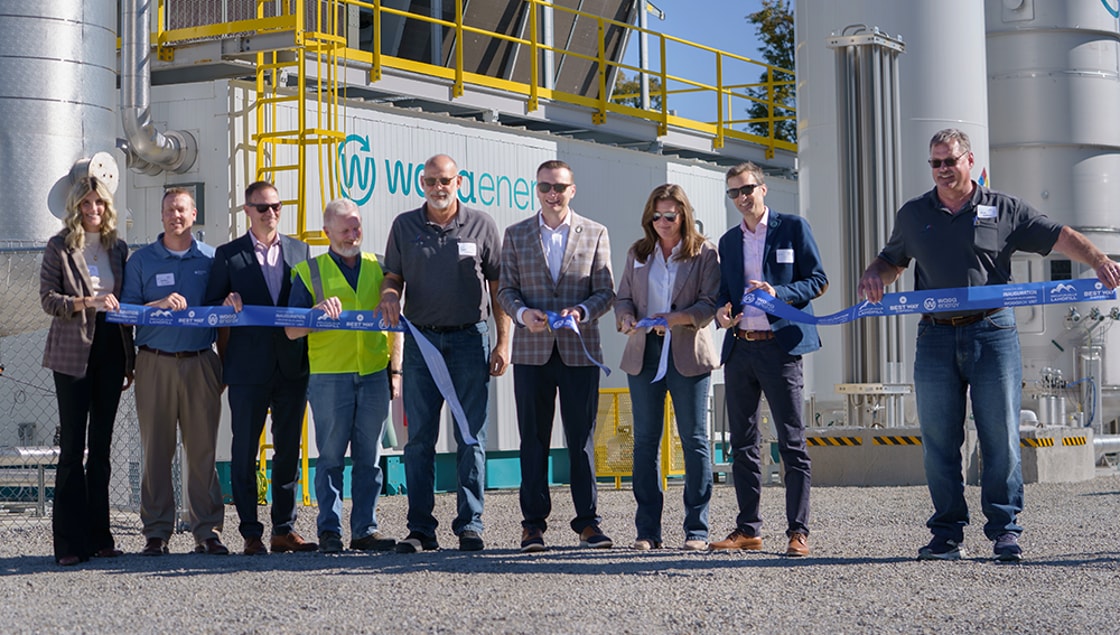
ENEOS Xplora and Petronas on Thursday signed the definitive agreements formalizing ENEOS’ re-entry into Malaysia LNG Tiga Sdn. Bhd. (MLNG Tiga), the Malaysian company said in a statement.
Subject to the fulfilment of certain closing conditions, ENEOS will hold a 10% equity stake in MLNG Tiga for the next decade.
The previous MLNG Tiga Joint Venture Agreement expired in 2023.
ENEOS’ re-entry into MLNG Tiga reflects Petronas’ focus on “building a reliable LNG system that continues to deliver value to customers and partners, particularly in important markets such as Japan,” said Datuk Adif Zulkifli, Executive Vice President and CEO of the Gas & Maritime Business at the Malaysian state energy company.
“With Asia at the centre of global LNG demand growth, stable supply and long-term partnerships remain fundamental to economic resilience across the region,” commented Tan Sri Tengku Muhammad Taufik, who is Petronas president and Group CEO.
The MLNG Tiga project in Malaysia has been supplying LNG to Japanese buyers since commencing operations in 2003, ENEOS Xplora Representative Director and President, Yasuhiko Oshida, said.
MLNG Tiga is one of four joint ventures operating four facilities at the Petronas LNG complex in Sarawak— MLNG, MLNG Dua, MLNG Tiga, and PETRONAS LNG 9.
The four projects have a combined production of capacity of 29.3 million tonnes per annum (mtpa), which makes it one of the world’s biggest LNG producers in a single location.
The LNG markets, especially those in Asia, have been roiled in the past two months by the closed Strait of Hormuz and the damaged LNG infrastructure in Qatar, which was the world’s second-largest LNG exporter behind the United States before the war in the Middle East.
Asia’s LNG imports slumped in March to the lowest level in seven years for the month as the closed Strait of Hormuz trapped the supply and Qatar declared force majeure following Iranian missile strikes on its LNG infrastructure.
By Michael Kern for Oilprice.com
More Top Reads From Oilprice.com
- Crisis-Hit Southeast Asia Looks to Sign Petroleum Security Pact
- Tankers Move from Fuel to Crude Trade as War Upends Flows
- JP Morgan: UAE Could Attract More U.S. Investment After OPEC Exit