As government policies around energy transition continue to evolve, the pace of coal plant retirements in North America has shifted in some regions, slowing in a few cases due to energy reliability concerns. But broadly speaking, many coal-fired units have already retired, leaving behind a significant legacy challenge: the long-term management of coal ash stored in landfills and surface impoundments. Traditionally viewed as waste, this material—known as coal combustion residuals (CCR)—is increasingly and successfully being utilized as a resource for the construction industry.
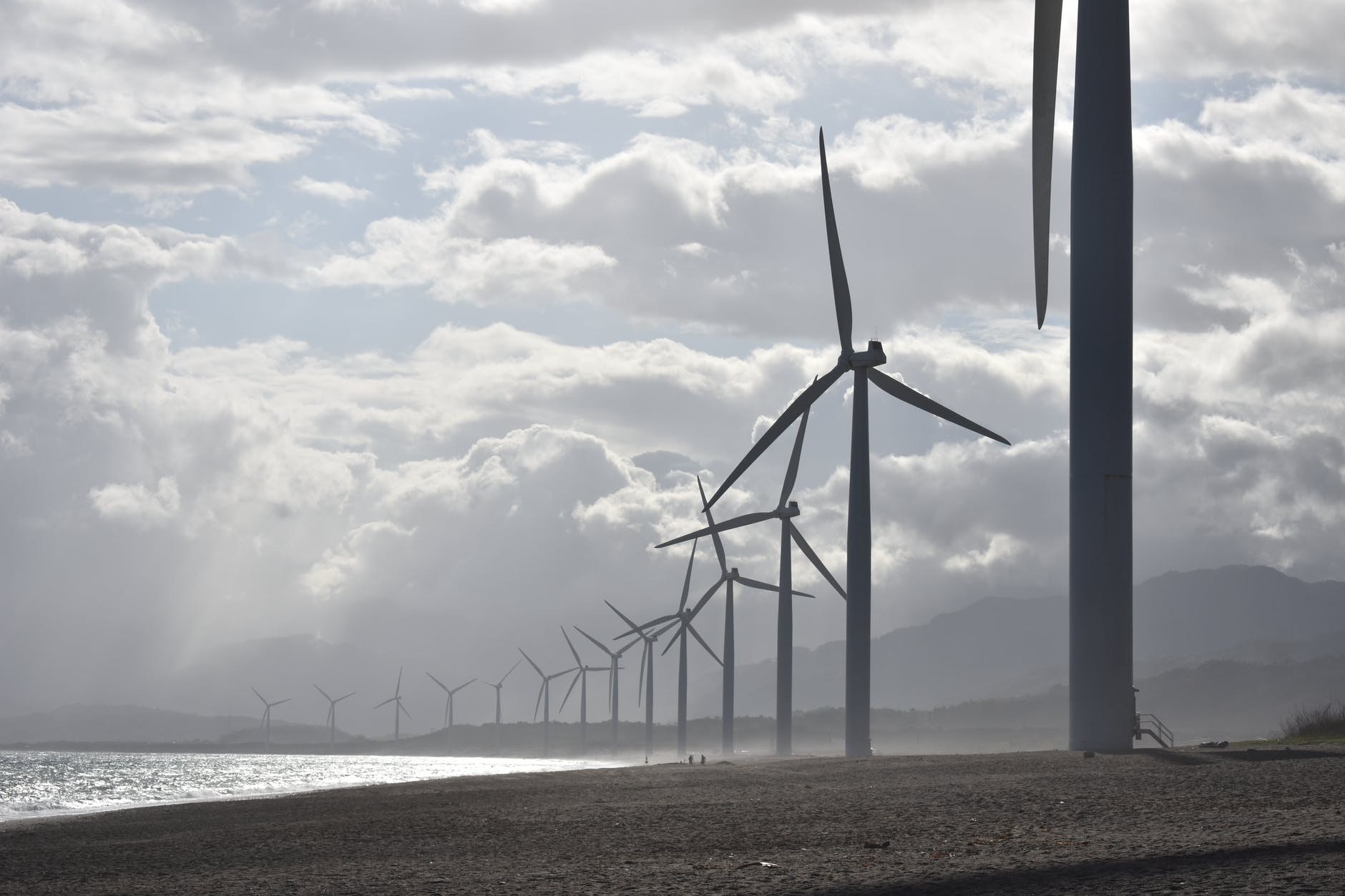
Reclaiming CCR as a supplementary cementitious material (SCM) supports domestic supply by reducing dependency on imports and bolstering local production and utilization of available resources (Figure 1). High tariffs on foreign materials make SCMs from reclaimed ash a more viable option, supporting local economies and promoting the use of domestic materials.

Additionally, tariffs incentivize investments in beneficiation technologies, enabling the transformation of waste into valuable resources. This approach, combined with strategic policies, strengthens domestic supply chains and promotes sustainable infrastructure development.
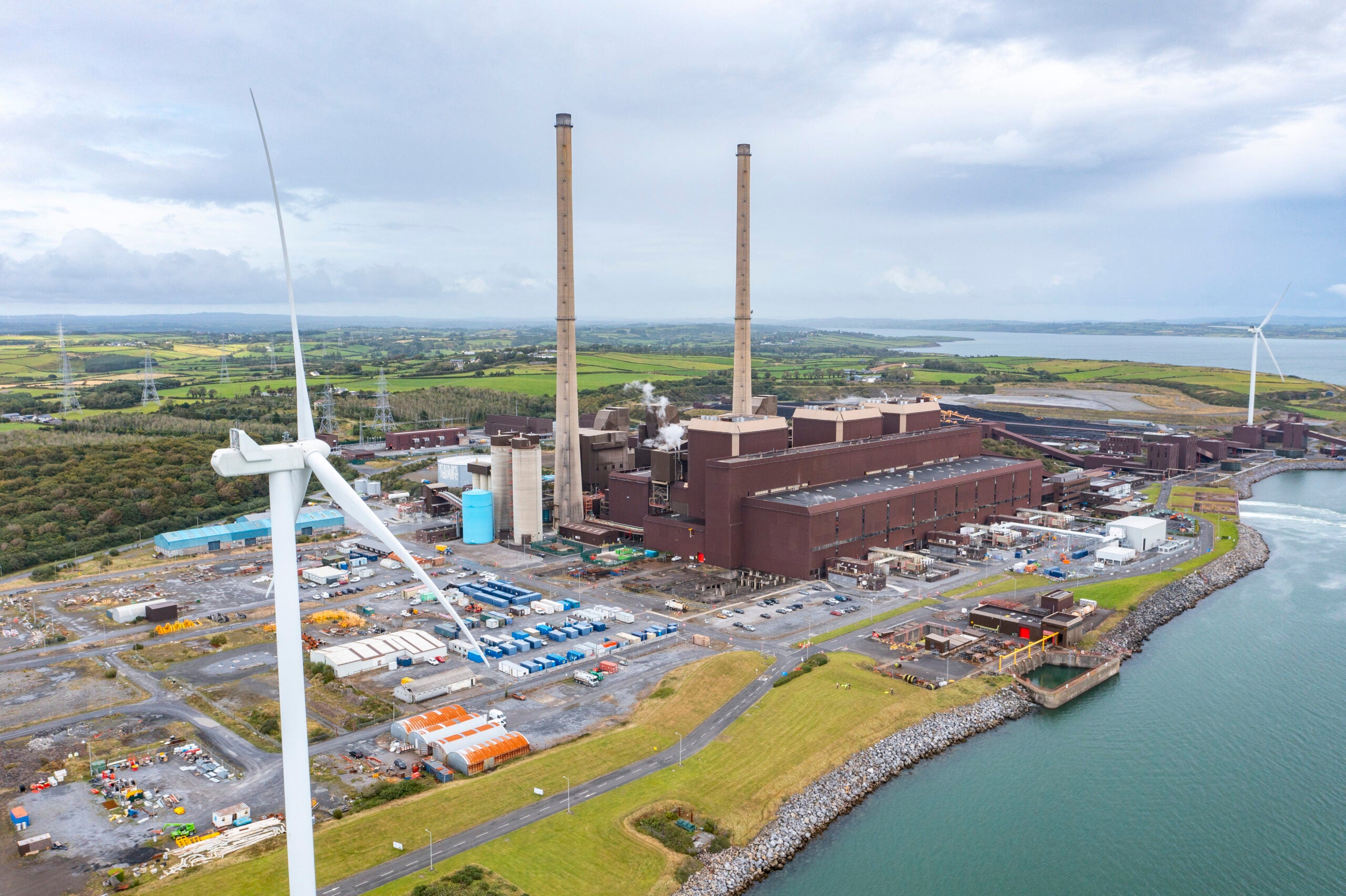
At the former Battle River Generating Station in Alberta, Canada, a reclamation project is demonstrating how stored ash can be recovered, processed, and reused as a domestically manufactured cement replacement material. The initiative, led by —is applying its proprietary Reclaimed Ash Management (RAM) technology to recover this impounded coal ash from a legacy ash landfill and turning it into a usable SCM.
Reclaiming Material Once Considered Unusable
The ash at Battle River was deposited over decades of coal-fired power generation. Traditionally, this stored ash has been considered an environmental burden by some, but advances in ash beneficiation are now changing that mindset.
Once landfilled, the material was thought to be inaccessible and unsuitable for reuse. However, advancements in processing technology are now allowing these deposits to be revisited to extract material that meets modern performance standards.
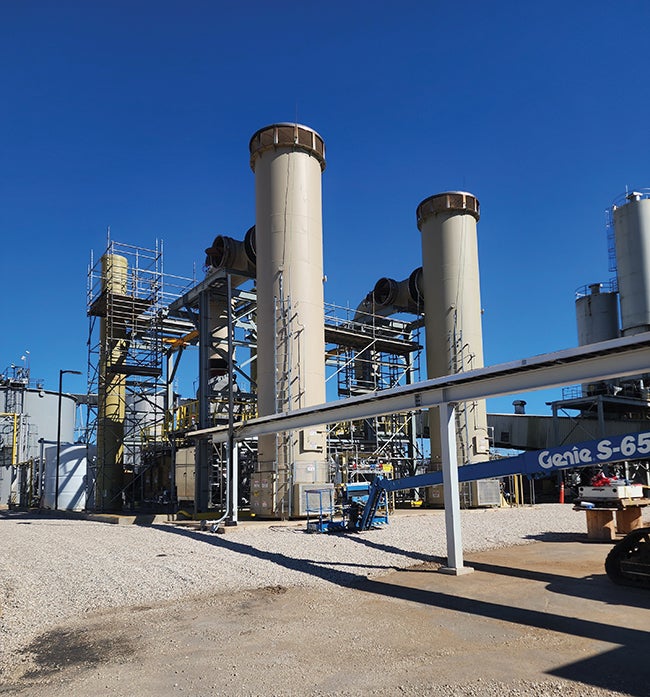
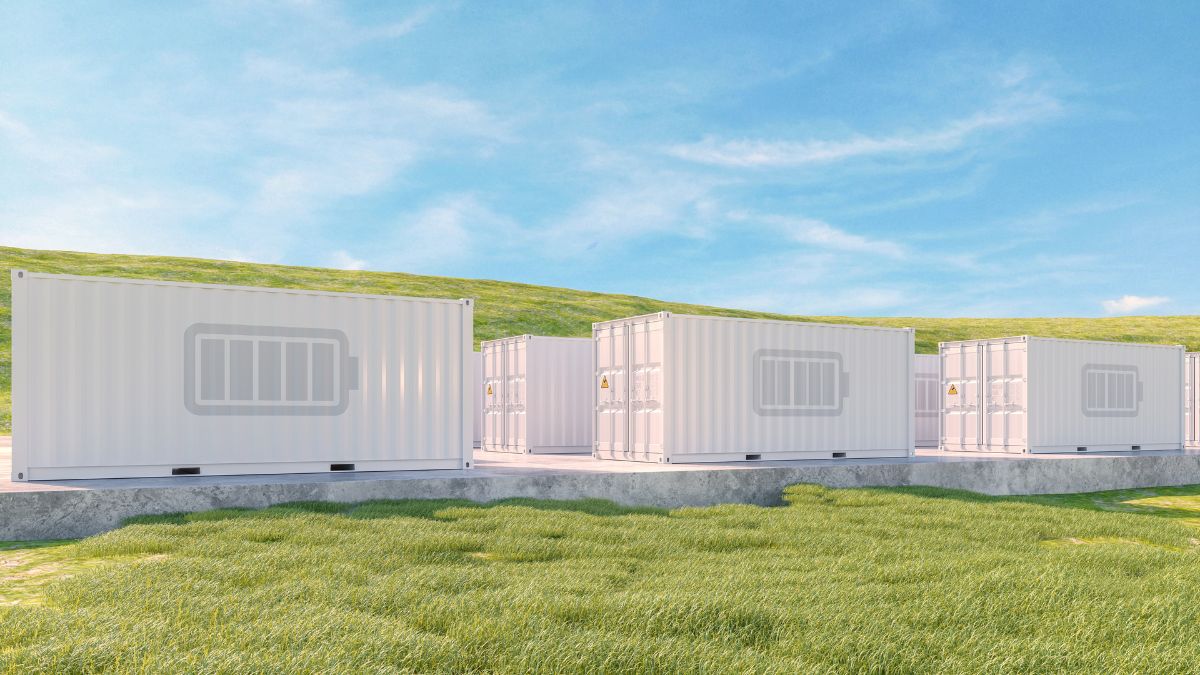
The RAM system deployed at Battle River is designed to recover and beneficiate stored ash, processing it to meet modern ASTM and CSA performance standards (Figure 2). Operating year-round, even in Alberta’s colder seasons, the system provides a consistent supply of material for construction markets in the region.

Concrete-Grade Ash from Reclaimed Sources
The reclaimed ash produced through this process is now being used across western Canada in a range of applications including ready-mix concrete, precast products, and downhole well-cementing, among others. Processing the landfilled ash through Ashcor’s RAM technology enhances the quality and uniformity, providing a reliable supply of a high performing SCM that improves concrete strength and durability. Additionally, reclaiming this material creates a new, regional and domestic supply of SCMs in markets where many coal plants have already shut down or are nearing retirement, supplementing a growing gap in supply.
Environmental and Land Use Benefits
The environmental benefits of this kind of reclamation are substantial and far-reaching. Every tonne of RAM Ash used in concrete displaces roughly one tonne of portland cement, which is among the most carbon-intensive construction materials produced. This substitution reduces associated carbon emissions, while also diverting impounded ash from long-term storage, transforming a waste byproduct into a valuable, high-performance SCM.
The recovery and reuse of coal ash generates benefits beyond the construction industry. Removing ash from landfills can support environmental remediation and reduce the long-term liability associated with these sites. In some cases, reclaimed areas may be suitable for redevelopment or ecological restoration. While full site closure and repurposing takes time, ash reclamation can be a meaningful first step in that process.
Expanding Interest in Ash Reclamation Across North America
Interest in ash reclamation is growing across North America, particularly as federal regulations around CCR management evolve. Reclaiming and reusing ash is now seen as a viable alternative to long-term storage or costly closure plans, particularly when the recovered material can eliminate environmental concerns. Rather than simply capping or containing ash ponds, there’s growing momentum behind recovery and reuse as a more circular and environmentally responsible path forward.
A Model for Responsible Transition
As the energy sector continues to decarbonize and concrete producers seek to meet evolving sustainability standards, reclaimed ash will play an increasingly important role. A growing number of projects focused on reclaiming coal ash are showing what’s possible when legacy materials are viewed as an opportunity rather than a burden. As more sites are evaluated for recovery, the model being established today may well shape the future of both sustainable construction materials and environmental restoration.
For utilities, regulators, and construction professionals alike, reclaimed ash offers a potential win-win-win: turning yesterday’s waste into a domestic resource that supports tomorrow’s sustainable growth. It’s a reminder that the path to sustainability often lies not just in the new, but in rethinking what we’ve already set aside.
—John J. Tiberi is the president of .