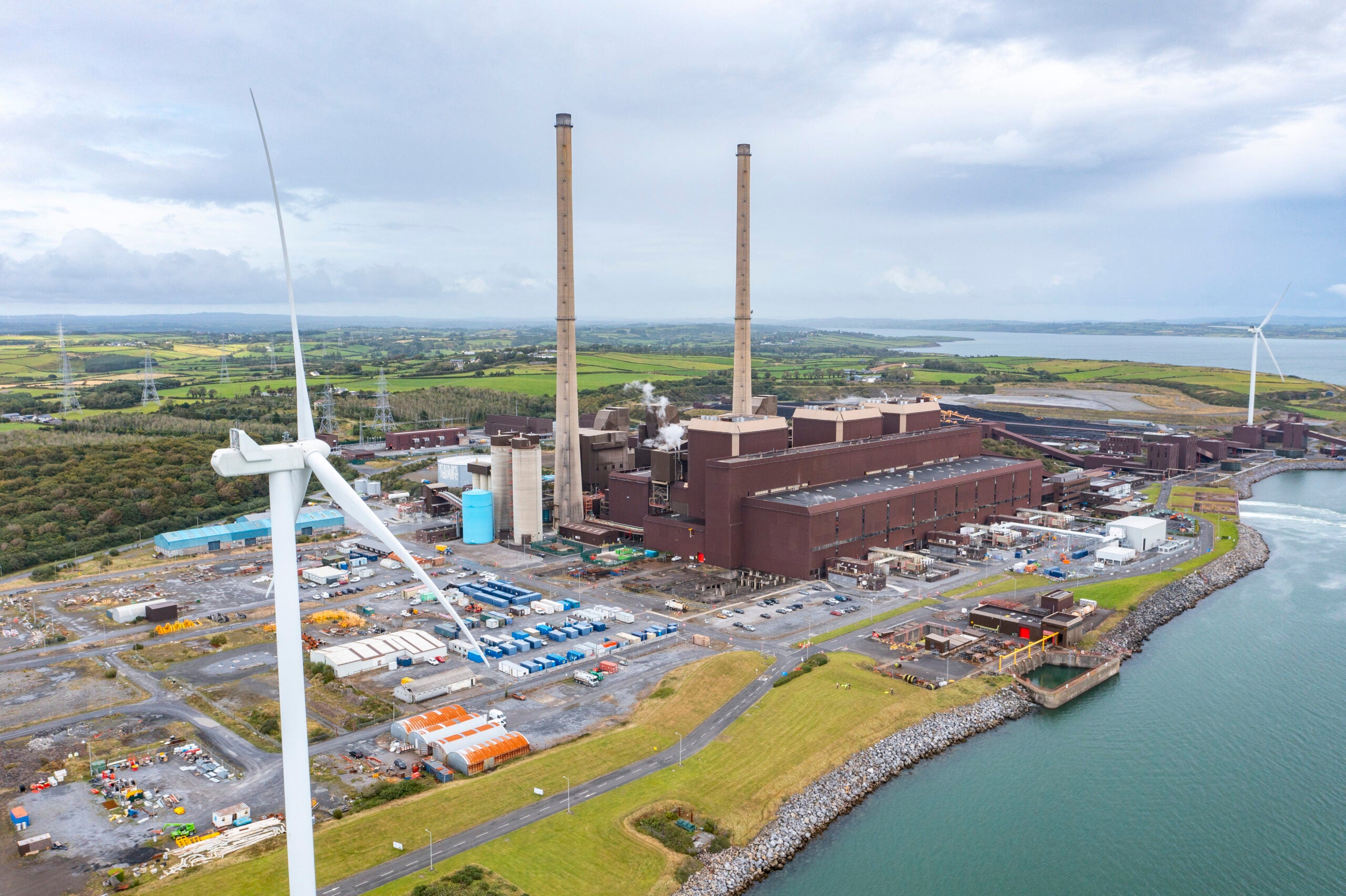
Artificial intelligence (AI) is playing a huge role in heat rate optimization. In some cases, AI-driven models have analyzed operational data to recommend control settings that reduce heat rates by 1.5% to 2.5%, leading to millions in annual fuel savings and lower emissions without requiring capital investments.
Artificial intelligence (AI) is rapidly transforming the energy industry, redefining traditional processes and unlocking new avenues for efficiency, reliability, and sustainability. From predictive maintenance in renewable energy assets to real-time grid balancing and dynamic energy pricing, AI has become a cornerstone of innovation in the sector.
Notable examples abound. In wind and solar farms, AI-driven forecasting models enhance power output predictions, enabling better integration of renewables into the grid. AI also powers intelligent demand response systems that match energy consumption with generation in real-time, minimizing waste and reducing costs. Utility companies use AI to anticipate equipment failures through anomaly detection in sensor data, significantly cutting unplanned downtime and repair expenses.
One high-impact case includes a European utility that implemented AI for dynamic load forecasting and realized an 8% improvement in grid reliability. Another success story is an Asian power producer that adopted AI-based boiler optimization and achieved a 3% gain in thermal efficiency, translating into millions of dollars in annual savings. These examples underscore AI’s ability to solve complex energy challenges while aligning with global decarbonization goals.
Understanding Heat Rate: The Pulse of Power Plant Efficiency
Heat rate is a critical metric in power generation that quantifies the amount of energy used by a power plant to generate one kilowatt-hour (kWh) of electricity. It is typically expressed in British thermal units per kWh (Btu/kWh). A lower heat rate signifies greater efficiency, as less fuel is consumed for the same electricity output.
In practical terms, heat rate reflects how effectively a plant converts fuel energy into electrical energy. Despite robust engineering, operational variability—caused by changes in load, ambient conditions, equipment wear, and human intervention—can introduce fluctuations in heat rate over time.
As observed in several fossil fuel power plants (Figure 1), the same unit can exhibit different heat rates on different days or across similar operating conditions, highlighting inefficiencies tied to suboptimal decisions or undetected degradations. Thus, even marginal improvements in heat rate can lead to substantial fuel cost savings and emissions reductions, particularly across large utility fleets.
Building Heat Rate Optimization Models for Power Plants
AI-driven heat rate optimization models aim to close the gap between actual and optimal performance (Figure 2) by analyzing vast historical datasets collected from plant sensors. These models learn to predict heat rate based on operational variables and then recommend control settings that minimize heat rate while meeting power output and safety requirements.

Model development begins with collecting several months or years of high-frequency sensor data from the plant’s distributed control system (DCS). This data includes key parameters such as ambient temperature, load, steam temperatures and pressures, valve positions, and fuel flow rates.
The modeling approach differs between combined cycle gas turbines (CCGTs) and coal-fired power plants due to inherent differences in thermodynamic cycles and operational characteristics. CCGT power plants, for example, include both a gas turbine and a steam cycle (through a heat recovery steam generator [HRSG]). For CCGTs, the models typically include features such as:
Meanwhile, coal-fired power plants operate on a Rankine cycle and have different dynamics. Variables often used include:
By tailoring the input features to the specific plant type, the models achieve higher accuracy and provide more relevant recommendations.
Embedding Plant Constraints into Optimization Models
Optimization in power plants isn’t just about maximizing efficiency—it must also respect operational, safety, and regulatory constraints. AI models alone cannot ensure this unless these constraints are explicitly encoded into their architecture.
For heat rate optimization, constraints are embedded into the recommendation engine post-model training. These include hard bounds on control settings, such as maximum allowable steam temperature, minimum oxygen levels for safe combustion, or ramp rate limits for load changes. Constraints can also be based on equipment manufacturer specifications or empirical operating envelopes defined by plant engineers.
The system uses these constraints to filter or adjust the optimization recommendations generated by the neural network models. This ensures that any proposed change is safe, compliant, and actionable by operators, ultimately fostering trust and adoption in plant environments.
Learning Thermodynamics Through Data: Explainability and Expert Validation
A common concern with AI models, especially neural networks, is their “black box” nature. To address this, advanced techniques such as SHAP (SHapley Additive exPlanations) are used to interpret the influence of each input feature on the model’s predictions.
By analyzing SHAP plots, engineering teams can validate whether the model has correctly learned the expected thermodynamic relationships. For instance, in a CCGT, the model should reflect that increasing inlet guide vane opening reduces efficiency under certain load conditions. Similarly, the model should capture the non-linear relationship between excess air and combustion efficiency in coal plants.
These insights are reviewed with domain experts at each power plant. When model behavior aligns with engineering intuition and first principles, it bolsters confidence in the model’s reliability. In some cases, discrepancies revealed by SHAP analysis have also helped identify sensor calibration issues or overlooked inefficiencies in operations. This explainability layer is crucial for ensuring that AI-driven recommendations are not only mathematically sound but also operationally credible.
Real-World Impact: AI at Scale in a North American Utility
The true power of AI in heat rate optimization is best demonstrated through its real-world application. A leading North American utility company, with a diverse portfolio of fossil fuel power plants, embarked on a digital transformation initiative to improve operational efficiency across its fleet. The company partnered with AI experts to develop and deploy custom heat rate optimization models for more than a dozen coal and CCGT units. Each plant underwent a data-driven diagnostic phase, followed by model training, constraint calibration, and integration into plant control systems.
The deployment was scaled methodically. First, baseline variability in heat rate was analyzed to identify high-impact opportunities. Then, plant-specific models were trained on historical operational data. Ultimately, optimization engines were deployed in the control rooms with user-friendly interfaces for operators.
The results were significant. On average, plants observed a 1.5% to 2.5% reduction in heat rate, translating into substantial annual fuel savings and lower greenhouse gas emissions. One coal plant alone achieved cost savings of more than $2 million per year. Importantly, these benefits were realized without any capital expenditure or retrofitting—purely through smarter operations enabled by AI.
The success of this initiative has now paved the way for broader adoption of AI-based optimization across the utility’s entire thermal generation fleet. It also illustrates a scalable model for other utilities seeking to balance cost, performance, and environmental stewardship.
—Nimit Patel is an AI and machine learning leader at a North American management consulting firm, with deep expertise in developing and deploying AI-driven solutions for utilities across the U.S., Asia, and Australia.