Japan’s largest carbon capture plant moves forward with MHI design contract

  • Gas
  • July 7, 2025

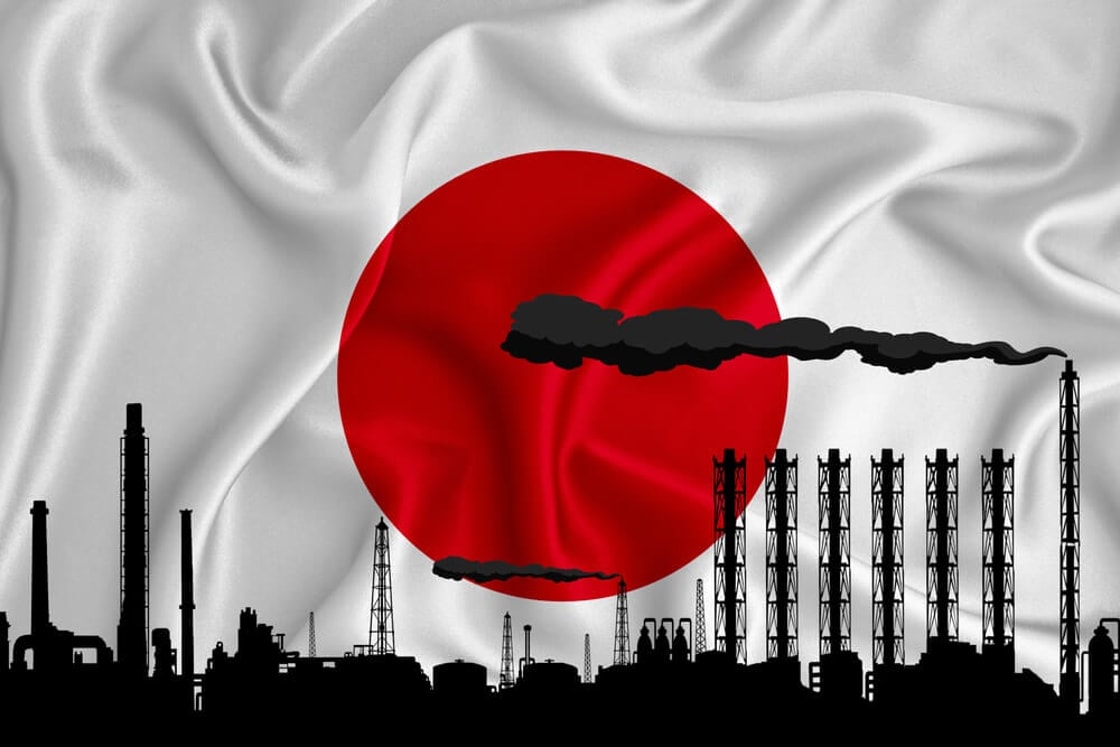
Japanese industrial group Mitsubishi Heavy Industries will provide the front end engineering design for what is slated to be Japan’s largest carbon capture and storage project.

Located at the Tomato-Atsuma power station owned by Hokkaido Electric Power Company (HEPCO), the facility is expected to capture 5,200 tonnes of CO2 from the flue gases emitted from the power station.

The project stems from a partnership between HEPCO, Idemitsu Kosan, and Japan Petroleum Exploration, who worked with Japan Organisation for Metals and Energy Security (JOGMEC) for the design work of a CCS project in the Tomakomai area of Hokkaido.

According to the agreement, CO2 captured at the power station will be stored in deep saline formations in the area, with the aim of storing approximately 1.5 million to two million tonnes of CO2 per year by 2030 offshore Tomakomai city. 

… to continue reading this article and more, please login, register for free, or consider subscribing to gasworld

You’ve reached your weekly limit to access free articles!

Want to keep reading?

Please register for free and create a profile to gain access to this full article and gasworld’s daily news.

For access to more content including our monthly digital magazines, subscriber-only features or columns and all our other gasworld archives, please consider subscribing.

Alternatively, you can continue reading more articles as a guest on Tuesday, 8th July at 11:28AM


  • Related Posts

    • Gas
    • August 13, 2026
    New opportunities for CO2 in food and beverage decarbonisation

    By 31 min ago 3 min read The food and beverage industry is finding new ways to decarbonise, from lower-carbon refrigeration to carbon dioxide (CO2) recovery. But could more efficient…

    • Gas
    • August 13, 2026
    How CO2 could help reduce water use in data centres

    The rapid expansion of AI is creating a growing challenge for data centre operators. Training and running large AI models forces computer chips to work at maximum capacity continuously, generating…

    Have You Seen?

    India Drives a Global Surge in New Coal Mine Plans

    • August 13, 2026
    India Drives a Global Surge in New Coal Mine Plans

    New Zealand Approves New Oil and Gas Production as Energy Security Concerns Grow

    • August 13, 2026
    New Zealand Approves New Oil and Gas Production as Energy Security Concerns Grow

    High Oil Prices Deliver a Windfall for China’s Coal-to-Chemicals Industry

    • August 13, 2026
    High Oil Prices Deliver a Windfall for China’s Coal-to-Chemicals Industry

    Alaska LNG Pipeline Bill Dies in Legislature, Governor Fires Back

    • August 13, 2026
    Alaska LNG Pipeline Bill Dies in Legislature, Governor Fires Back

    India Eyes Two New Sites to Expand Strategic Oil Reserves

    • August 13, 2026
    India Eyes Two New Sites to Expand Strategic Oil Reserves

    New opportunities for CO2 in food and beverage decarbonisation

    • August 13, 2026
    New opportunities for CO2 in food and beverage decarbonisation

    How CO2 could help reduce water use in data centres

    • August 13, 2026
    How CO2 could help reduce water use in data centres

    Black Moon Energy and TAE explore helium-3 fuel in nuclear power

    • August 13, 2026
    Black Moon Energy and TAE explore helium-3 fuel in nuclear power

    Analysis: Should industrial gas adopt auto-style supply chain safety nets?

    • August 13, 2026
    Analysis: Should industrial gas adopt auto-style supply chain safety nets?

    Green Energy Stocks Trade Mixed As Market Volatility Weighs On Renewable Sector (13 August 2026)

    • August 13, 2026
    Green Energy Stocks Trade Mixed As Market Volatility Weighs On Renewable Sector (13 August 2026)