The Ministry of New and Renewable Energy (MNRE) has issued detailed amendments and implementation guidelines for the PM-Surya Ghar: Muft Bijli Yojana, focused on providing Central Financial Assistance (CFA) to residential consumers for rooftop solar installation. These updated guidelines aim to accelerate residential rooftop solar adoption and improve transparency, accessibility, and service delivery through a single national digital platform.
The scheme, launched on 13th February 2024, is now open for applications through the dedicated National Portal. It offers CFA to individual residential households, housing societies, and apartment associations. The scheme’s capex model ensures that consumers can install grid-connected rooftop solar (RTS) systems using their own investment or through loans, excluding RESCO and utility-led models.
Under the revised CFA structure, residential consumers installing up to 2 kW of capacity will receive ₹30,000 per kW. An additional 1 kW capacity will attract ₹18,000 per kW. No subsidy is available beyond 3 kW. For special category states and UTs, the CFA is slightly higher—₹33,000 per kW for the first 2 kW and ₹19,800 per kW for the next 1 kW. Group Housing Societies and Residential Welfare Associations (GHS/RWA) are eligible for a maximum of 3 kW per house, capped at 500 kW, for common area use like lighting and EV charging stations.
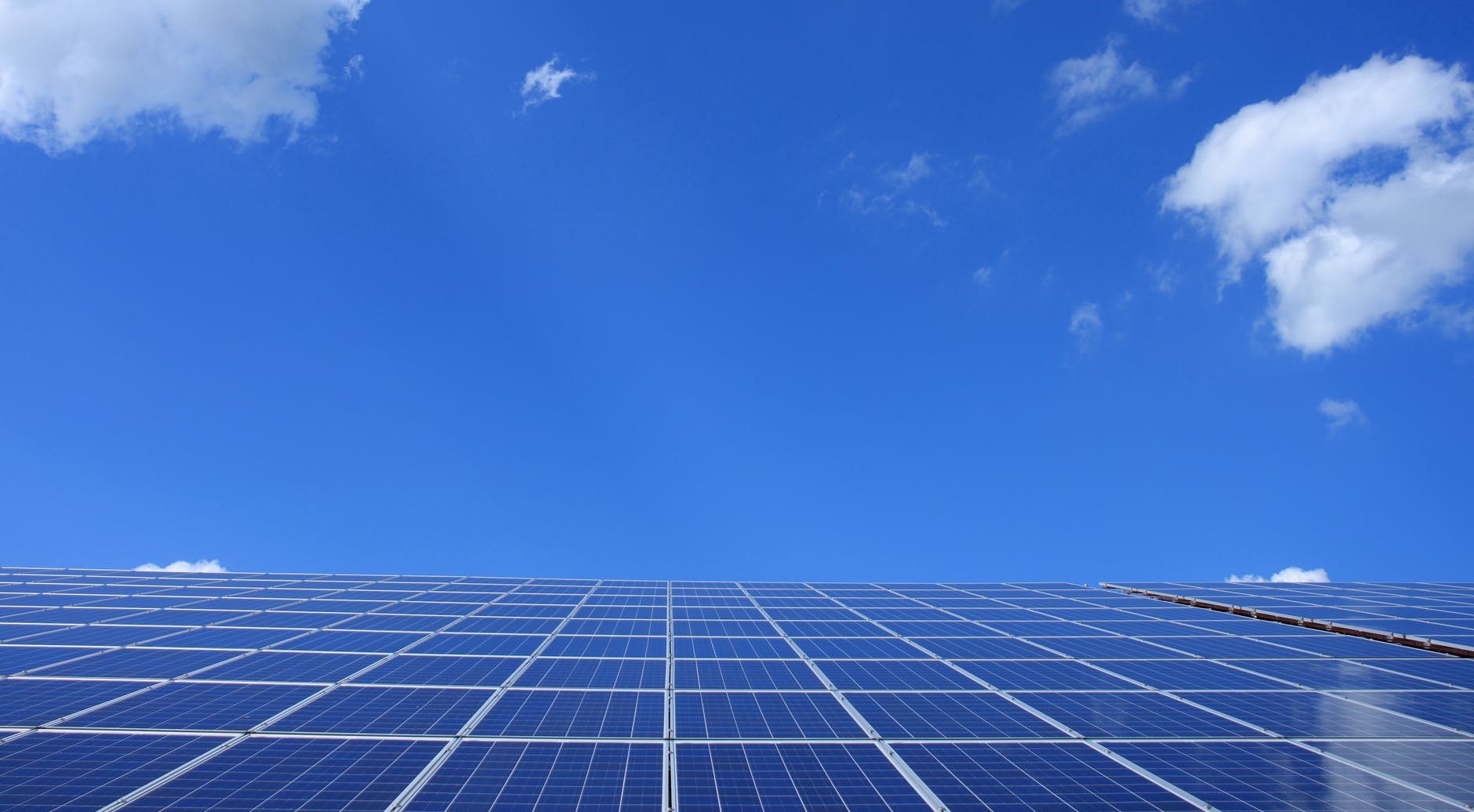
Only domestically manufactured modules using domestic solar cells are eligible for CFA. The system must be installed on rooftops, terraces, balconies, or elevated structures. Unique provisions have been introduced for expanding pre-existing installations—households that earlier availed subsidies under Phase II can now claim additional CFA only for the added capacity, subject to overall limits.
Applications must be submitted online through the PM Surya Ghar National Portal. Consumers can choose vendors from a registered list, compare offerings, and negotiate installation costs. DISCOMs will carry out physical inspections, meter installation, and final verification before CFA release. CFA will be processed within 15 days of DISCOM approval, and funds will be directly transferred to the consumer’s account or to the loan account in case of financed systems.
The updated guidelines include a five-year mandatory maintenance period by vendors and clearly outline penalties and de-registration in case of poor service. The national portal will display vendor ratings, feedback, and performance data for transparency. Smart meters are mandatory in AMISP zones under RDSS, and all installations must meet specified technical and safety standards.
To enhance accessibility, the National Portal will soon integrate state-level systems, banks, and financial platforms like Jan Samarth. GIS features, chatbot support, WhatsApp services, and auto-alerts will ensure faster processes. The “Give It Up” option allows wealthier consumers to opt out of CFA benefits voluntarily.
Monitoring will be conducted through national, state, and district-level committees. REC Limited will act as the national implementing agency, with DISCOMs serving at the state level. This amendment strengthens the framework for subsidy disbursement, technical compliance, and citizen engagement, aiming to meet the 1 crore household solar installation target by FY 2026-27.