The Karnataka Electricity Regulatory Commission issued an order on July 9, 2025, to determine the tariff and norms for solar power projects for the financial year 2025–2026. This applies to both grid-connected megawatt-scale ground-mounted solar projects and kilowatt-scale distributed solar photovoltaic (DSPV) plants, including rooftop and other eligible structures. The tariff order comes after public consultations, stakeholder feedback, and a public hearing held on June 6, 2025.
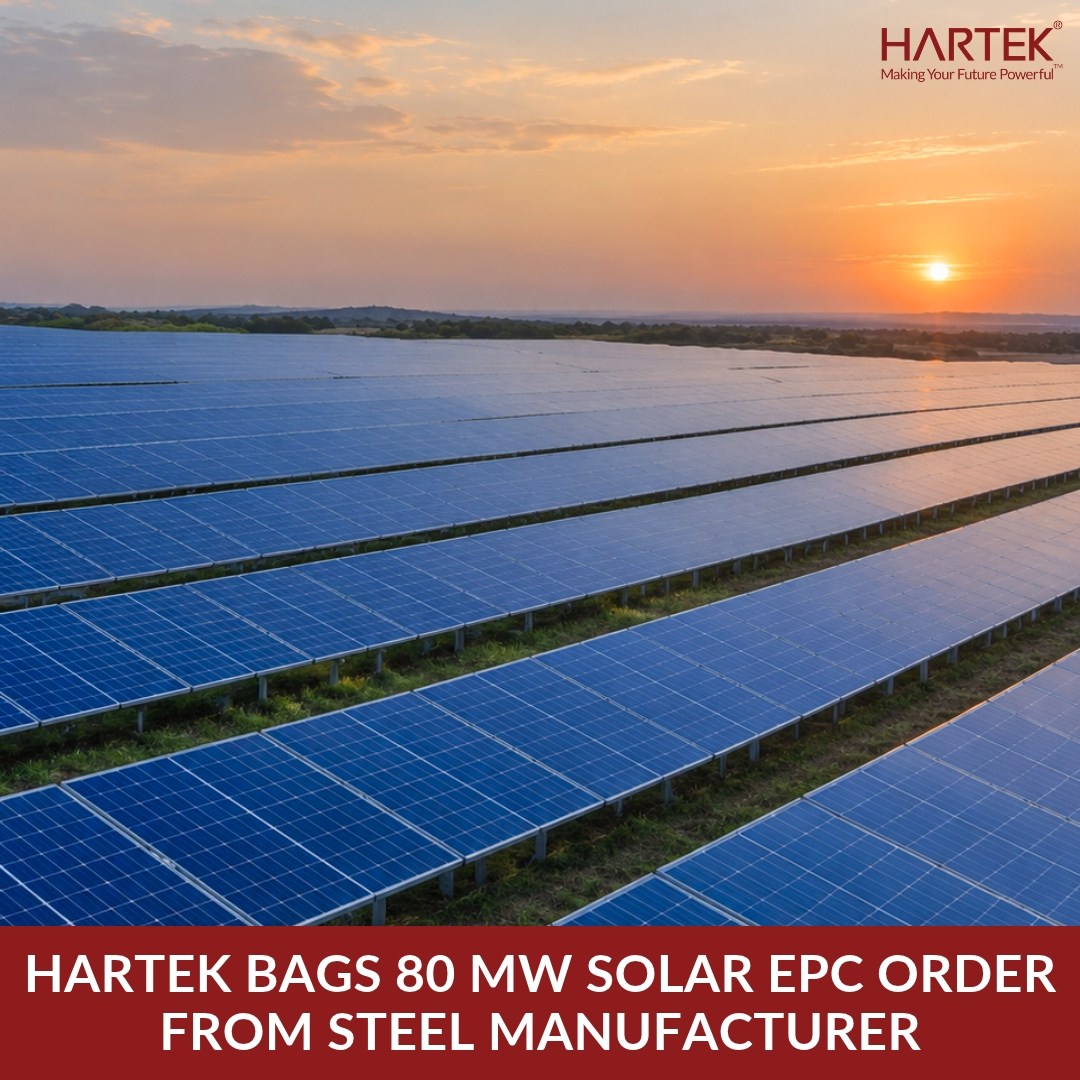
The Commission approved a benchmark tariff of ₹3.07 per unit for MW-scale ground-mounted solar projects. For distributed solar systems (excluding domestic users), the tariff is set at ₹3.08 per unit. For domestic consumers with systems between 1 kW and 10 kW, the tariff is ₹3.86 per unit without subsidy. Under the PM Surya Ghar Muft Bijli Yojana, domestic users will pay ₹2.30 per unit for 1–2 kW systems, ₹2.48 for 2–3 kW systems, and ₹2.93 for systems above 3 kW.
The order introduces a new approach by renaming “Solar Rooftop PV” as “Distributed Solar PV Plants,” expanding the permitted installation areas to include rooftops, elevated ground structures, and building facades. It also allows Virtual Net Metering (VNM) and Group Net Metering (GNM), enabling energy credit sharing between multiple consumers or service connections under certain conditions. These features are designed to encourage broader solar adoption and reduce grid dependency.
For domestic consumers installing systems up to 150 kW, the need for a Power Purchase Agreement (PPA) has been eliminated. The online application itself will serve as approval for installation, simplifying the process. Distribution licensees must now follow fixed timelines for application approval, site inspection, and commissioning, with penalties for delays.
The Commission allowed open access consumers to opt for net or gross metering or establish captive plants, but any excess energy injected into the grid will not be compensated. It also permitted the relocation of DSPV installations within the same licensee’s area without changes in the original PPA.
Technical norms and financial assumptions were retained largely from previous years. These include a 25-year project life, 70:30 debt-equity ratio, 19% capacity utilization factor, and interest rates of 11.10% for debt and 11.50% for working capital. Operation and maintenance costs were fixed at ₹791.31/kW for DSPV and ₹5.945 lakh/MW for ground-mounted systems, with an annual escalation of 5.72%.
The capital cost for domestic DSPV is ₹40,000 per kW, ₹30,000 per kW for other DSPV users, and ₹321.53 lakh per MW for ground-mounted projects. Battery Energy Storage Systems (BESS) were not mandated due to cost concerns, despite earlier proposals.
Additional provisions were included for smart metering, hybrid inverters, and clarity on multiple installations. The approved tariffs are applicable for projects commissioned between July 1, 2025, and June 30, 2026, and the PPA tenure is set at 25 years.