(Reuters) – U.S. natural gas futures held steady on Friday as rising flows to liquefied natural gas (LNG) export plants offset forecasts for less hot weather and lower demand next week than previously expected. Front-month gas futures for August delivery on the New York Mercantile Exchange rose 1.4 cents, or 0.4%, to $3.351 per million British thermal units at 9:14 a.m. EDT (1314 GMT).
For the week, the contract was down about 2% after falling about 9% last week and 3% two weeks ago.
Get the Latest US Focused Energy News Delivered to You! It’s FREE:
Meteorologists forecast weather across the Lower 48 U.S. states will remain mostly warmer than normal through at least July 26, but the latest forecast was less hot than Thursday’s outlook.
Temperatures in the Lower 48 states will average 81 degrees Fahrenheit (27.2 Celsius) on July 15 and July 25. Those would be the highest daily averages this summer, topping the current average daily high of 80 F on June 24, but would fall short of the record daily average high of 83 F on July 20, 2022, according to data from financial firm LSEG going back to 2018.
The gas market cares about the weather because power generators burn more gas to produce electricity as consumers crank up their air conditioners to escape the heat.
Even though the weather has remained above normal so far this summer, analysts expect energy firms to keep injecting more gas into storage than usual in coming weeks. That’s because output hit a record high in June and was on track to top that in July, while gas flows to LNG export plants has languished since hitting a record in April.
There was currently about 6% more gas in storage than the five-year (2020-2024) normal, and analysts expect that surplus to grow in coming weeks. Some analysts, however, note that an expected rise in LNG exports should start to chip away at that surplus later this year.
SUPPLY AND DEMAND
LSEG said average gas output in the Lower 48 rose to 106.6 billion cubic feet per day so far in July, up from a monthly record high of 106.4 bcfd in June.
But on a daily basis, output was on track to drop to a preliminary 105.7 bcfd after falling by around 1.9 bcfd over the past eight days. Analysts have noted that preliminary data is often revised later in the day.
In pipeline news, U.S. energy firm Kinder Morgan’s Tennessee Gas Pipeline unit declared force majeure at station 110 near Morehead, Kentucky, due to equipment issues that require immediate repair. The force majeure will take effect on July 12 and continue until further notice and could affect up to 670,000 dekatherms or 0.67 bcf of gas flows.
LSEG forecast average gas demand in the Lower 48, including exports, would rise from 107.3 bcfd this week to 108.4 bcfd next week before sliding to 107.3 bcfd in two weeks. The forecast for next week was lower than LSEG’s outlook on Thursday.
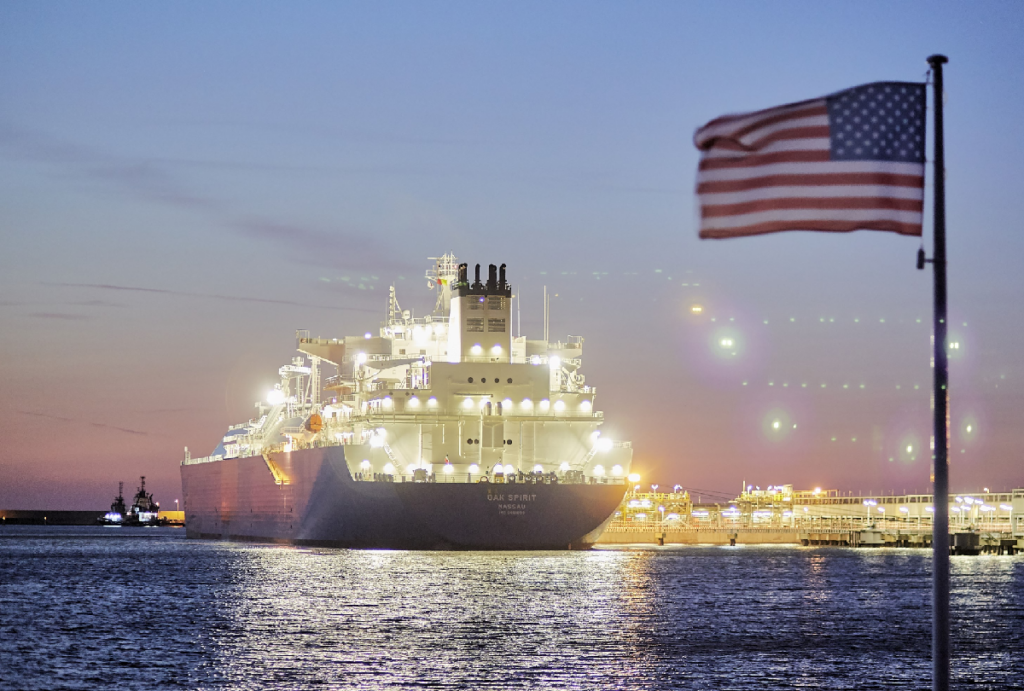
The average amount of gas flowing to the eight big U.S. LNG export plants rose to 15.7 bcfd so far in July as liquefaction units at some plants slowly exited maintenance reductions and unexpected outages. That was up from 14.3 bcfd in June and 15.0 bcfd in May, but remained below the monthly record high of 16.0 bcfd in April.
On a daily basis, LNG export feedgas was on track to rise to a 12-week high of 16.3 bcfd on Friday with flows to U.S. energy company Cheniere Energy’s 3.9-bcfd Corpus Christi plant in Texas expected to rise from 2.2 bcfd on Thursday to 2.5 bcfd on Friday, according to LSEG data.
Reporting by Scott DiSavino, Editing by Franklin Paul
Share This:
More News Articles