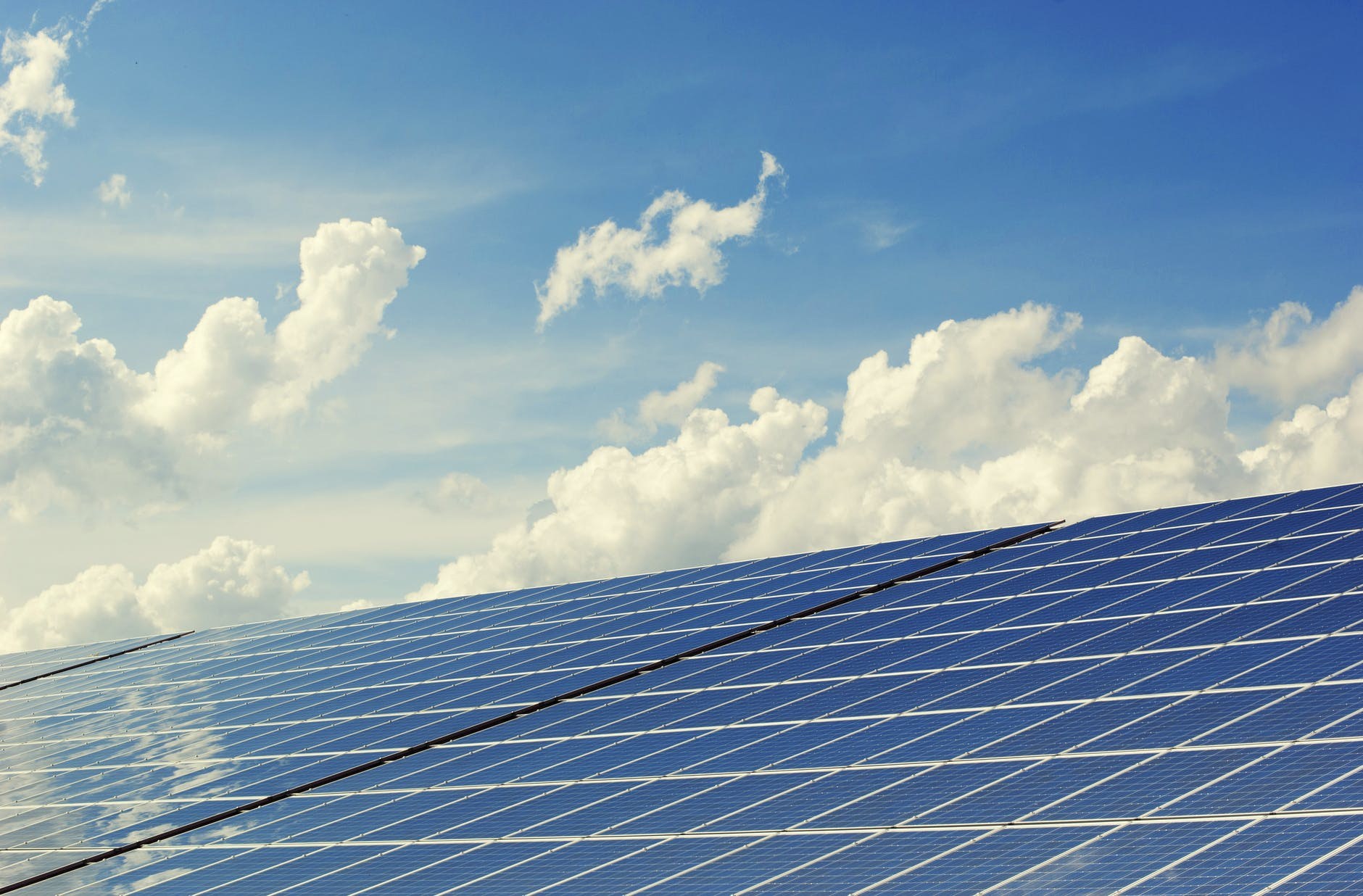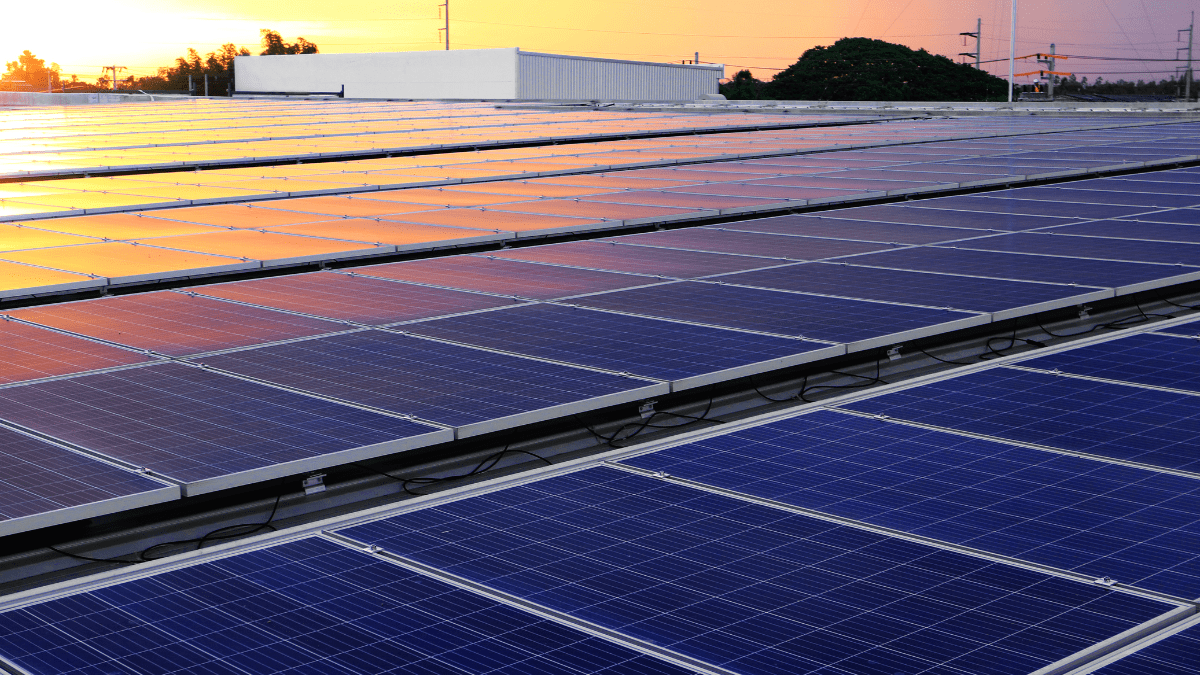
The PM Surya Ghar: Muft Bijli Yojana (PMSGMBY), the world’s largest domestic rooftop solar scheme, is rapidly transforming India’s solar energy landscape. By March 2025, the number of rooftop solar installations under this scheme is projected to surpass 10 lakh. The target is to reach 20 lakh installations by October 2025, 40 lakh by March 2026, and one crore by March 2027. Within just nine months of launching in February 2024, the scheme has already achieved 6.3 lakh installations, averaging 70,000 per month. This marks a ten-fold increase in monthly installations compared to the 7,000 per month before the scheme’s launch. States such as Gujarat, Maharashtra, Kerala, and Uttar Pradesh have shown exceptional progress, benefiting from strong infrastructure and active stakeholder collaboration.
The early success of PMSGMBY reflects the solid groundwork laid by the government, and the scheme is poised for even faster growth in the coming months. As rooftop solar energy continues to play a crucial role in India’s sustainable energy future, this rapid scale-up highlights the country’s commitment to expanding clean energy solutions.
Initial challenges in implementing the scheme were quickly resolved to ensure faster rollouts. Distribution companies (DISCOMs) took steps to enhance power load capacity, and regulatory barriers were minimized by waiving the requirement for Technical Feasibility Reports (TFR) for systems up to 10 kW. Timely inspections by DISCOMs also ensured quicker subsidy releases, while innovations in vendor development helped support rapid deployment. Affordable financing options through the Jan Samarth Portal have made rooftop solar systems more accessible, particularly for systems up to 3 kW.
Building the infrastructure necessary for large-scale deployment has been a key focus. Over 90 DISCOMs, banks, and other stakeholders have been integrated into the scheme’s IT systems, coordinating operations across the country. Almost 9,000 vendors are now part of the initiative, with more joining every day. Capacity-building programs have trained 40,000 personnel to ensure high-quality installations and service delivery. In the next eight months, an additional 2 lakh technicians will be trained, and over 50,000 DISCOM engineers will receive specialized training for inspecting and commissioning rooftop solar plants.
Consumer processes have been significantly simplified under the scheme. Earlier, applicants had to submit numerous documents and visit DISCOM offices multiple times. Now, most DISCOMs have waived Technical Feasibility approvals for systems under 10 kW, and processes have been digitized. Applicants can complete their applications in just five minutes on the website, , which allows them to choose vendors and even plan their rooftop solar system’s capacity using the GIS feature. Loan applications at a 7% interest rate can also be processed directly on the portal. Once the installation is complete, applicants can upload details, which automatically notify the DISCOM for inspection. Subsidies are then processed efficiently through the portal.
Efficient subsidy disbursement has been another major success. After the conclusion of the Model Code of Conduct in June 2024, subsidy disbursements began promptly. By November 2024, over ₹3,100 crore had been disbursed to more than four lakh households. The scheme now processes subsidies within 15 days, making it quicker and more convenient for consumers.
Word of mouth has further boosted the scheme’s popularity, with 28% of households now receiving zero electricity bills. Extensive awareness campaigns have played a significant role in educating the public about the scheme’s benefits and encouraging more households to participate. As a result, the number of registrations continues to rise, ensuring the scheme’s sustained success.
PMSGMBY is not only set to meet its ambitious targets, but it is also establishing a global benchmark for rooftop solar deployment. With efficient processes, strong infrastructure, and a clear vision, the scheme is positioned for accelerated growth. It is expected to provide substantial socio-economic and environmental benefits, transforming the renewable energy landscape in India and offering a model for other countries to follow.