Despite significant progress in solar energy deployment, India continues to depend heavily on coal to meet its evening electricity demand peaks, according to a new briefing note released by the Institute for Energy Economics and Financial Analysis (IEEFA).
The report finds that coal still dominates India’s power supply, accounting for nearly 73% (157.6 GW) of total daily generation. While solar power has become a major daytime contributor, the country’s post-sunset energy requirements are increasingly straining the grid.
“As evening demand peaks now nearly match those during the day, this trend underlines the urgent need to deploy storage systems, scale hybrid renewable projects, and implement demand-side management measures,” said Saloni Sachdeva Michael, co-author and Energy Specialist at IEEFA South Asia.
According to the report, electricity sales in FY2024 were led by the industrial sector (32%), followed by residential (31%), agricultural (22%), and commercial (10%).
While electric vehicles (EVs) still represent a small share, their impact on electricity demand is rising rapidly. EV-related electricity consumption increased from 59 million units (MUs) in FY2021 to 569 MUs in FY2024, reflecting a tenfold surge, noted Charith Konda, contributing author and Energy Specialist at IEEFA.
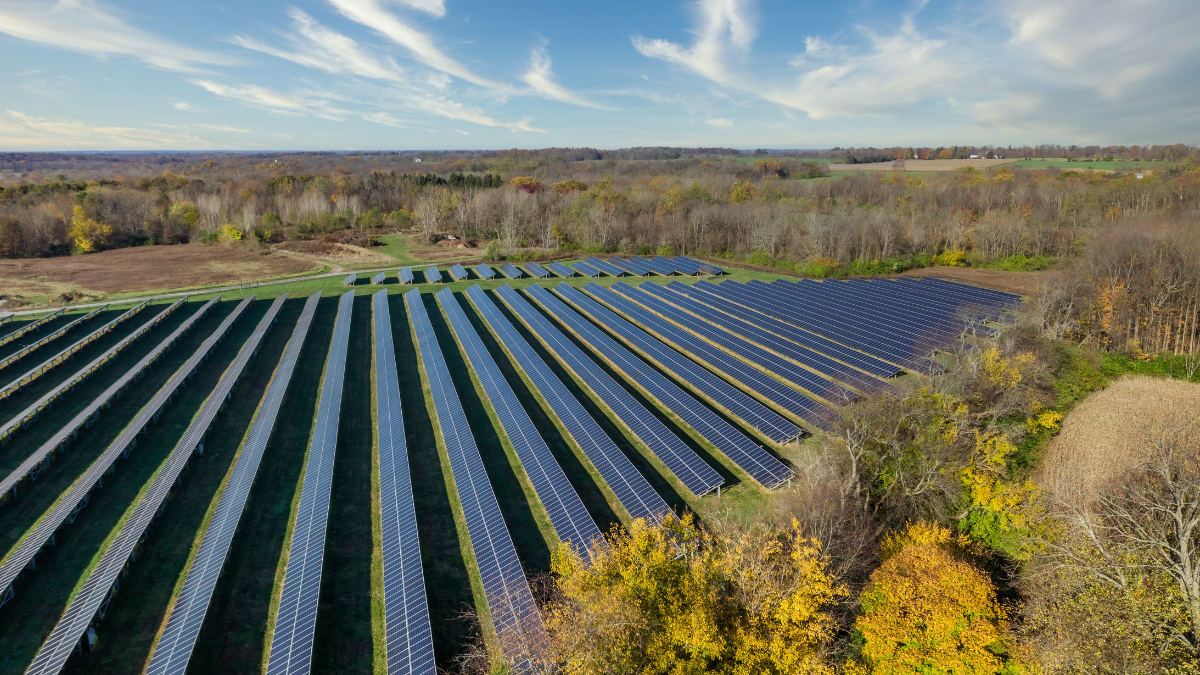
IEEFA highlights the potential to better utilise solar energy by aligning it with demand patterns. While solar remains the cheapest available renewable energy source, its benefits are limited without effective storage or demand-shifting mechanisms in place.
“Incentivising consumers, particularly in industrial and commercial sectors, to shift load from evening to daytime could help make better use of abundant solar supply,” said Vibhuti Garg, Director of IEEFA South Asia. She added that Time-of-Day (ToD) tariffs should be redesigned with larger price differentials to encourage such behaviour.Storage, Efficiency, and Hybrid Solutions
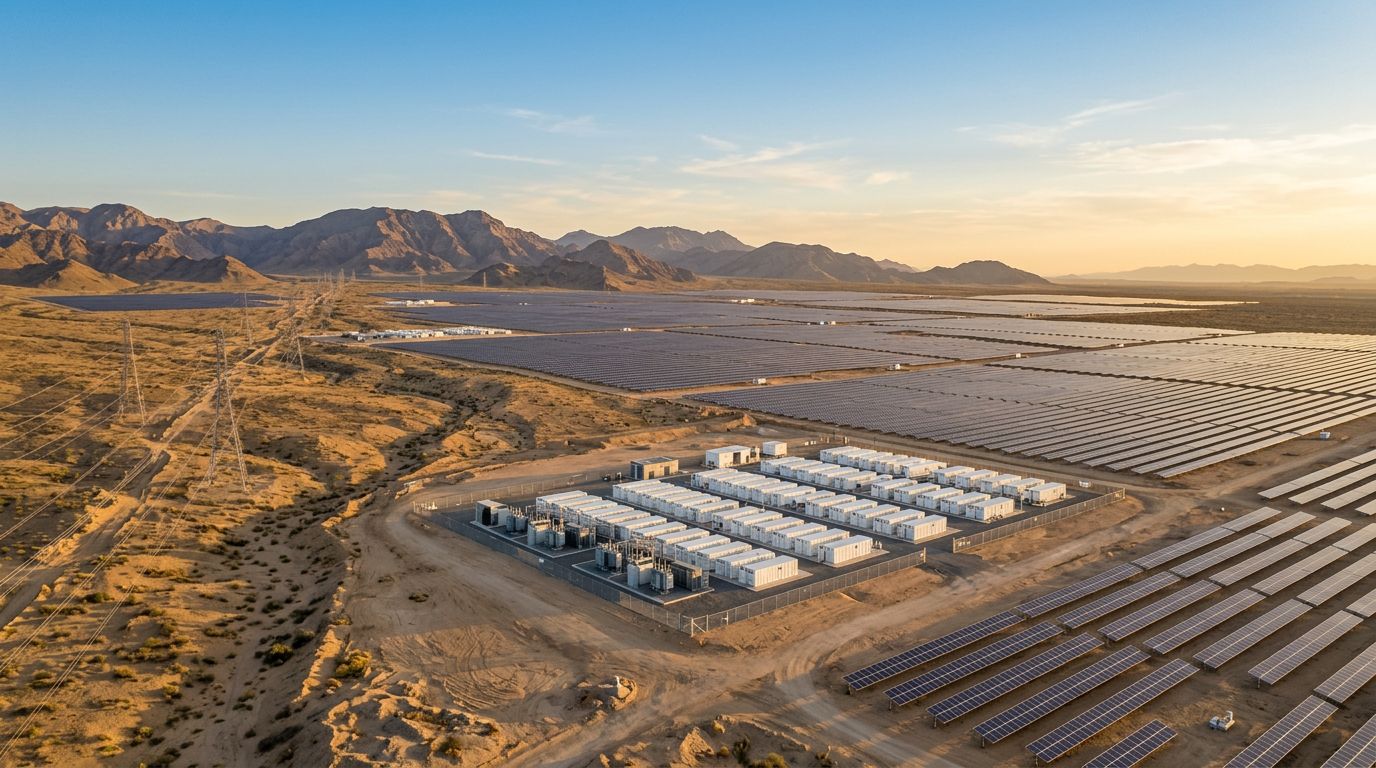
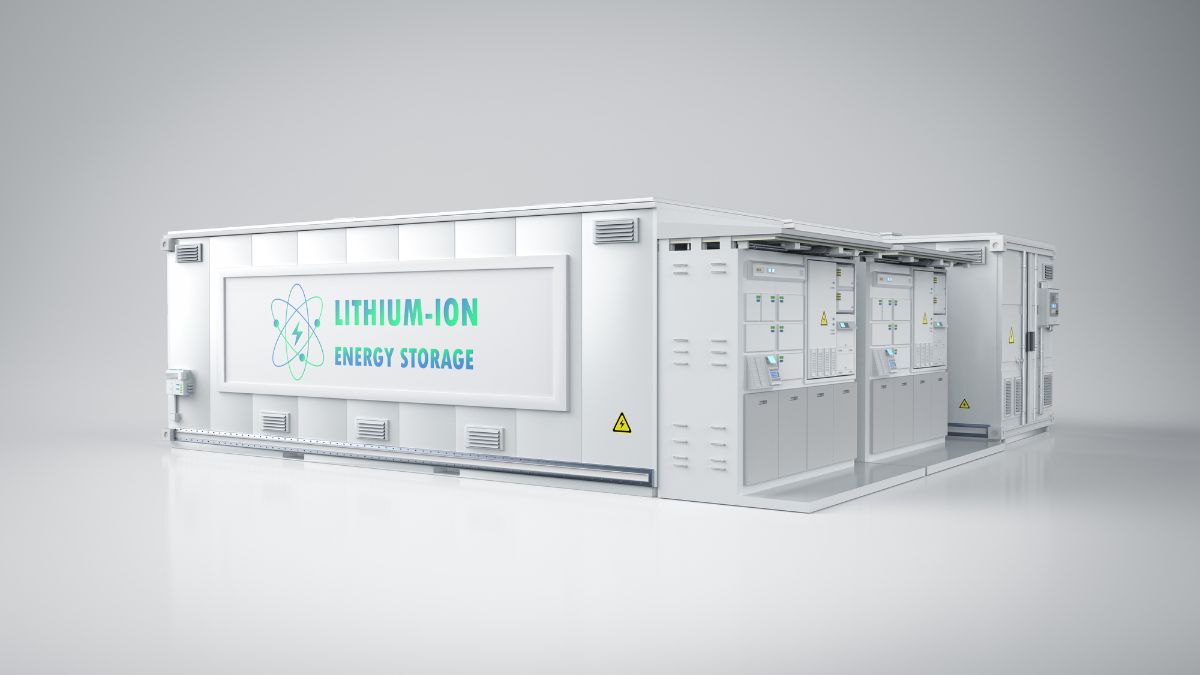
The report advocates for the acceleration of battery energy storage systems, which can help stabilise the grid and reduce dependence on fast-ramping coal plants. Storage technologies also allow for energy arbitrage — storing low-cost solar power during the day and releasing it during high-demand periods.
“Government support through faster PLI scheme disbursals and rationalised import duties is essential to bring down storage costs until domestic manufacturing scales,” said Kaira Rakheja, co-author and Energy Analyst at IEEFA.
In addition, the report calls for wider adoption of energy-efficient appliances, including lighting, air conditioners, and industrial motors. Zero-interest loans and reduced GST rates on 5-star rated appliances could help make them more accessible to households and small businesses.
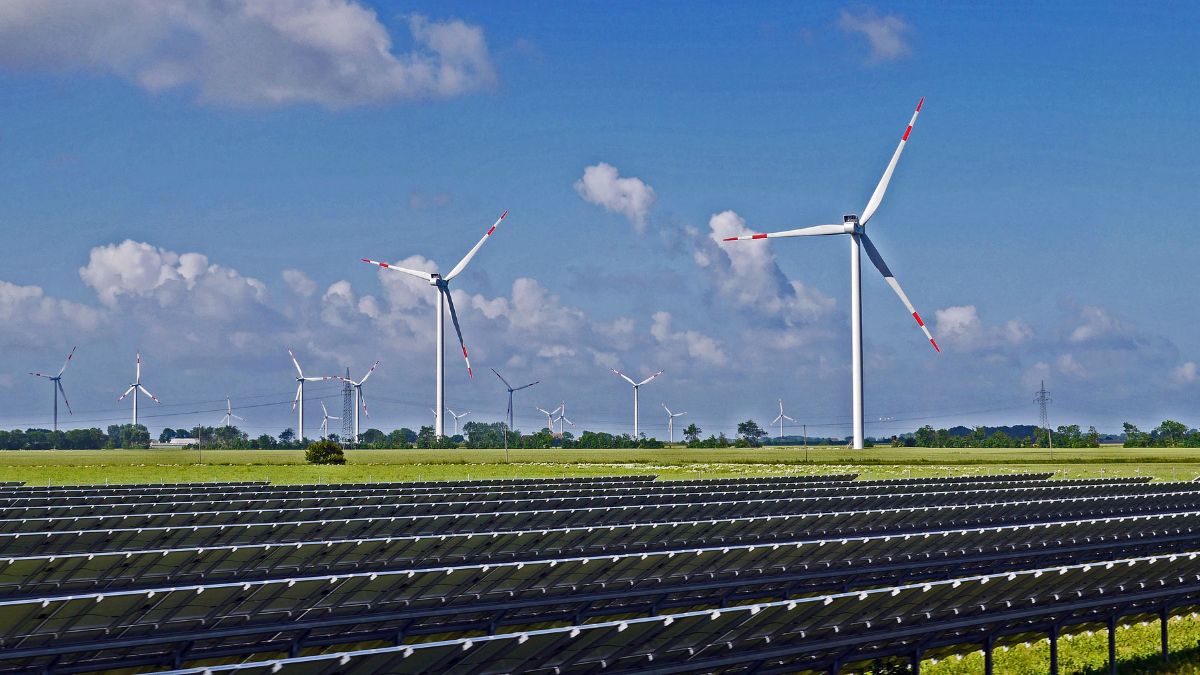
IEEFA also points to the potential of hybrid projects that combine solar (daytime), wind (evening/night), and hydropower (as needed). When paired with storage, such projects could play a pivotal role in meeting evening demand peaks. However, challenges such as land acquisition, lack of transmission coordination, and high storage costs continue to restrict wider deployment.
The report urges the government to streamline access to land and transmission infrastructure for hybrid clusters, revise power purchase agreements to value firm and dispatchable power, and clarify compensation models for storage-based services.
The authors stress the importance of integrating advanced digital tools for better demand forecasting, grid planning, and operational efficiency to support the evolving power system.
“Ultimately, addressing India’s rising electricity demand will require a strategic overhaul of how we generate, store, and consume electricity,” said Sachdeva. “By prioritising storage, hybrid renewable solutions, and flexible demand management, India can build a power system that is not only cleaner but also cost-effective and climate-resilient.”