Summary
- Imports surge, boosting gasoline storage demand
- East Coast gasoline prices drop below national average
- OPEC production increase pressures oil prices lower
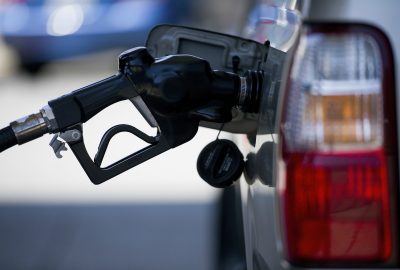
(Reuters) – U.S. gasoline prices could fall below $3 a gallon this summer for the first time in over four years as a stretch of bad weather events dampens fuel demand and a jump in imports fills inventories.
Gasoline prices have been in a lull in recent months, a boon for Americans traveling this summer. Consumers endured record prices at the pumps after Russia’s 2022 invasion of Ukraine upended energy markets.
Get the Latest US Focused Energy News Delivered to You! It’s FREE:
Gasoline prices fell 8.3% over the 12-month period ended June, the latest Consumer Price Index report showed, as U.S. crude prices tumbled more than 20% amid concerns over lackluster demand and a trade war with China. Lower oil prices reduce the cost to refiners for producing motor fuels, with some of the savings typically passed on to consumers.
U.S. President Donald Trump has promised to lower fuel prices, although analysts say presidents ultimately have little influence on pump prices.
Fuel demand in the week ended July 4, typically among the periods of highest consumption, was down 2.5% from the same time last year. Analysts said the slowdown was likely due to extreme heat blanketing parts of the country, which may have discouraged some driving.
The national average price of gasoline after the Independence Day holiday dipped to $3.14 per gallon, the lowest during summer months in four years, AAA data showed. Average gas prices across the U.S. have not fallen below $3 a gallon since May 2021.
Summer is typically the peak season for gasoline consumption in the U.S., but gasoline product supplied, the U.S. Energy Information Administration’s proxy for demand, has averaged 9.2 million barrels a day over the past four weeks, down by 1% from the same period last year.
More fuel-efficient vehicles on the road and post-pandemic changes in driving patterns – particularly remote working – are expected to permanently reduce U.S. gasoline consumption from its peak of more than 9.3 million bpd in 2018.
“As we head toward August, I think gasoline will see additional weakness,” said Patrick De Haan, head of petroleum analysis at GasBuddy. “The national average has a good chance of falling below $3 per gallon in September,” he added.
That downward momentum could continue, De Haan said, as OPEC’s decision to boost crude production by a larger-than-expected 548,000 bpd in August adds more pressure to oil prices.
IMPORTS JUMP
Imported gasoline flowing into the U.S. has also caused a surge in storage demand.
Weekly U.S. gasoline imports peaked in mid-June at 100,700 bpd, the highest in over a year, government data shows, driven by an influx of shipments from Canada and Europe. Imports in June were up around 7% compared to the same period a year ago.
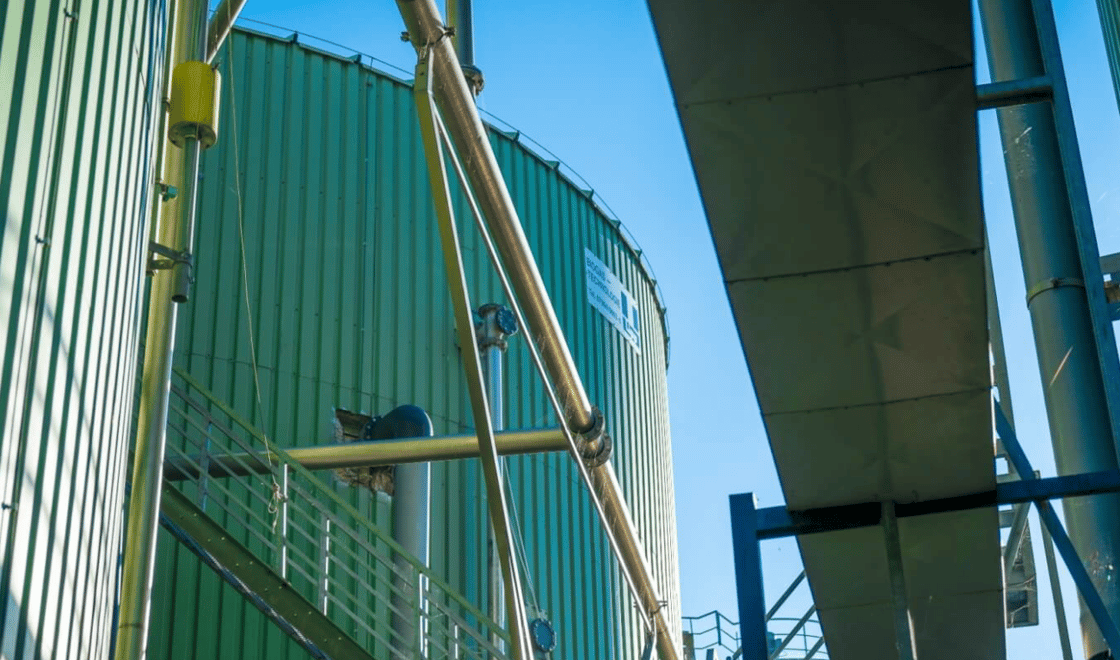
In the U.S., demand for tanks to store gasoline has climbed since March, reaching a three-year high in June, according to data from storage broker The Tank Tiger.
“If refiners are producing more gasoline, you need a place to park it if it’s not being consumed,” said Steven Barsamian, chief operating officer at The Tank Tiger.
On the U.S. East Coast, which represents nearly a third of total U.S. consumption of refined products and relies heavily on imports to meet that demand, a steady stream of shipments helped pull gasoline prices about 5 cents a gallon under the national average, according to government data.
Nigeria’s Dangote oil refinery has ramped up production of gasoline that meets U.S. standards, boosting imports, and shipments from the 320,000-bpd Irving Oil refinery in New Brunswick have also landed at the New York Harbor consistently, GasBuddy’s De Haan said.
With limited pipeline and transportation capacity, the U.S. East Coast market typically gets oversupplied quicker than other markets in the U.S., The Tank Tiger’s Barsamian said.
An increase in flows on Colonial Pipeline’s main gasoline artery, which delivers fuel from the U.S. Gulf Coast to East Coast markets, likely also contributed to larger flows of gasoline to the East Coast.
Colonial Pipeline recently informed shippers it will boost capacity on Line 1 by 5% to 7% above typical summer volumes, according to a notice seen by Reuters.
A Colonial spokesperson confirmed the pipeline volume increase.
Reporting by Nicole Jao and Shariq Khan in New York; Editing by Liz Hampton and Nia Williams
Share This:
More News Articles