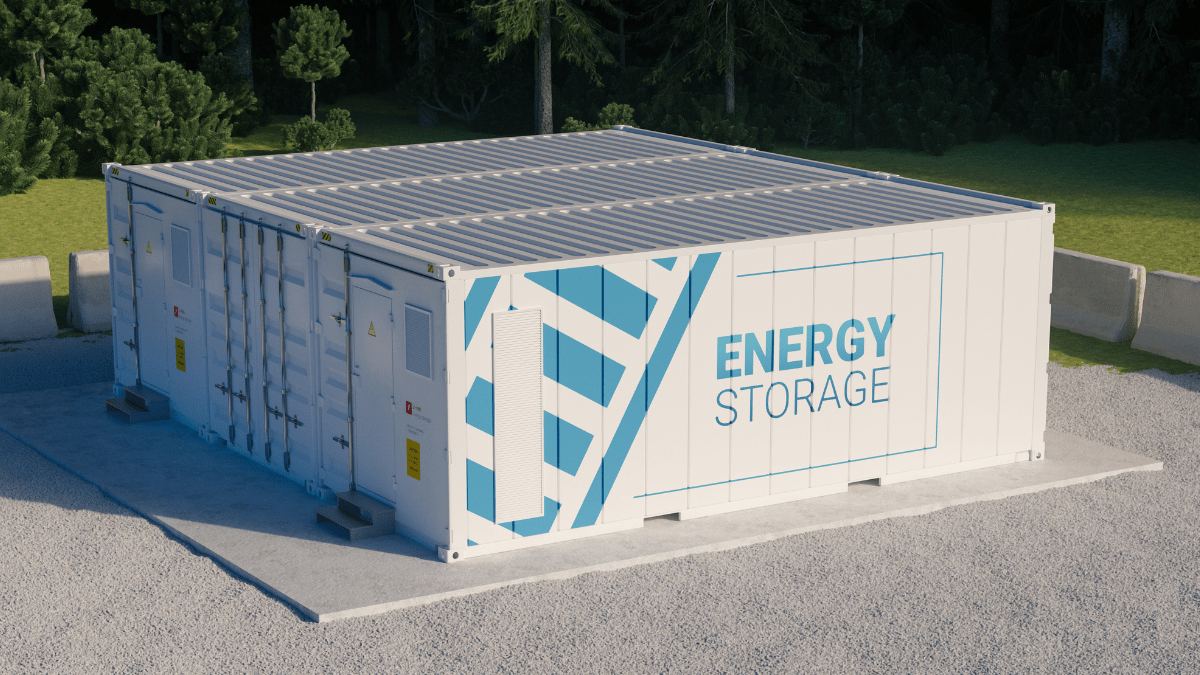
Energy storage system costs in the U.S. moderated in July after spiking to record highs in May, though they remain significantly above early-year levels, according to Anza’s newly released Q3 2025 Energy Storage Pricing Insights Report.
The analysis, which covers distributed generation (DG) and utility-scale battery systems through July 2025, found that capital expenditure (CapEx) pricing has retreated but remains 28% to 40% higher than March levels. Utility-scale AC systems registered the sharpest increase, climbing 40% since March to reach a July median of $217/kWh. Utility-scale DC pricing followed with a 28% rise to $164/kWh. On the DG side, July medians stood at $215/kWh for AC systems and $177/kWh for DC systems, both up 28% over the same period..
The surge in May was largely tied to new reciprocal tariffs on Chinese battery imports, which temporarily drove costs upward. A tariff pause announced on May 14 – later extended on August 12 – eased some near-term escalation risk, helping soften June and July price quotes. However, Anza noted that July’s rebound in lithium carbonate prices, which rose more than 20% from June lows, placed a floor under further declines.
Beyond short-term volatility, developers are grappling with looming Foreign Entity of Concern (FEOC) compliance rules, set to take effect in January 2026. These rules restrict sourcing from Chinese battery suppliers, stepping down from 45% allowable content in 2026 to 25% by 2030. Anza reports that many developers are accelerating safe-harbor procurement strategies and supplier diligence to secure compliance and reduce future exposure.
Additional pressures stem from preliminary anti-dumping and countervailing duties on Chinese anode materials – totaling just over 100% – with final rulings expected in December 2025. Together with fluctuating lithium costs, these factors are adding complexity to contract terms and long-term procurement decisions.
In its conclusion, the report emphasizes that while the U.S. Investment Tax Credit remains intact, storage developers face “policy whiplash” as shifting tariffs, FEOC restrictions, and volatile materials markets shape pricing. Near-term trends will hinge on final tariff rulings, supply chain adjustments, and how aggressively developers move to lock in safe-harbor projects ahead of 2026.
Subscribe to get the latest posts sent to your email.