By Andrew Darnton
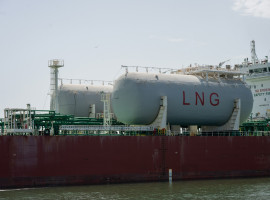
Dutch tank storage company Vopak recently signed an agreement with shipping firm Seapeak to supply a floating storage and regasification unit (FSRU) as part of its plan to develop an LNG import terminal in Port Phillip Bay, Victoria, Australia. This move is part of a wider push to secure gas supply reliability amid concerns of looming domestic shortages by 2027.
The use of an FSRU rather than a conventional land-based terminal offers flexibility, lower upfront capital costs, and faster deployment. For shipping, the deal implies a steady stream of LNG carriers bringing cargoes into the region, potentially shifting trade flows and boosting shipping demand in the Asia-Pacific and Indian Ocean corridors.
If successfully implemented, the project may enhance import capacity into southeast Australia just as domestic gas fields decline. That aligns with moves by the federal government in Australia to reassess LNG export licensing and tie exports to domestic supply obligations. A proposed reform would require LNG exporters to meet minimum domestic supply quotas before exporting, a rule aimed at avoiding local shortages and constraining export-driven price pressures.
From a shipping perspective, several dynamics may emerge:
- Longer-haul LNG trade: Australia may import LNG from U.S. Gulf, Qatar, or East African suppliers, altering traditional trade patterns.
- FSRU docking and vessel compatibility: Vessels must be compatible with the FSRU offloading arrangements; liquefaction pressure, boil-off handling, and ship interface conditions matter.
- Seasonality & utilization: Shipping demand may fluctuate with peak heating seasons or droughts; maintaining high utilization of LNG carriers will be critical to economics.
- Competition among projects: Vopak’s proposal competes with other proposed import terminals (for example, in Geelong). The success of one may impact the viability of others via demand cannibalization.
However, risks loom. The project’s economics depend on stable import contracts and regulatory certainty. Any shifts in gas demand—especially as renewables and storage penetrate the power mix—could alter import needs. Additionally, the broader LNG shipping overcapacity and weak spot market environment may weigh on returns.
On balance, Vopak’s FSRU deal represents a strategic pivot in LNG trade flows, one that shipping operators and logistics planners will watch closely. It underscores how terminal infrastructure decisions ripple through vessel demand, route design, and capital planning. As Australia rethinks its gas policy and as global LNG trade evolves, the shipping industry must stay alert to shifts in import hubs and vessel deployment patterns.