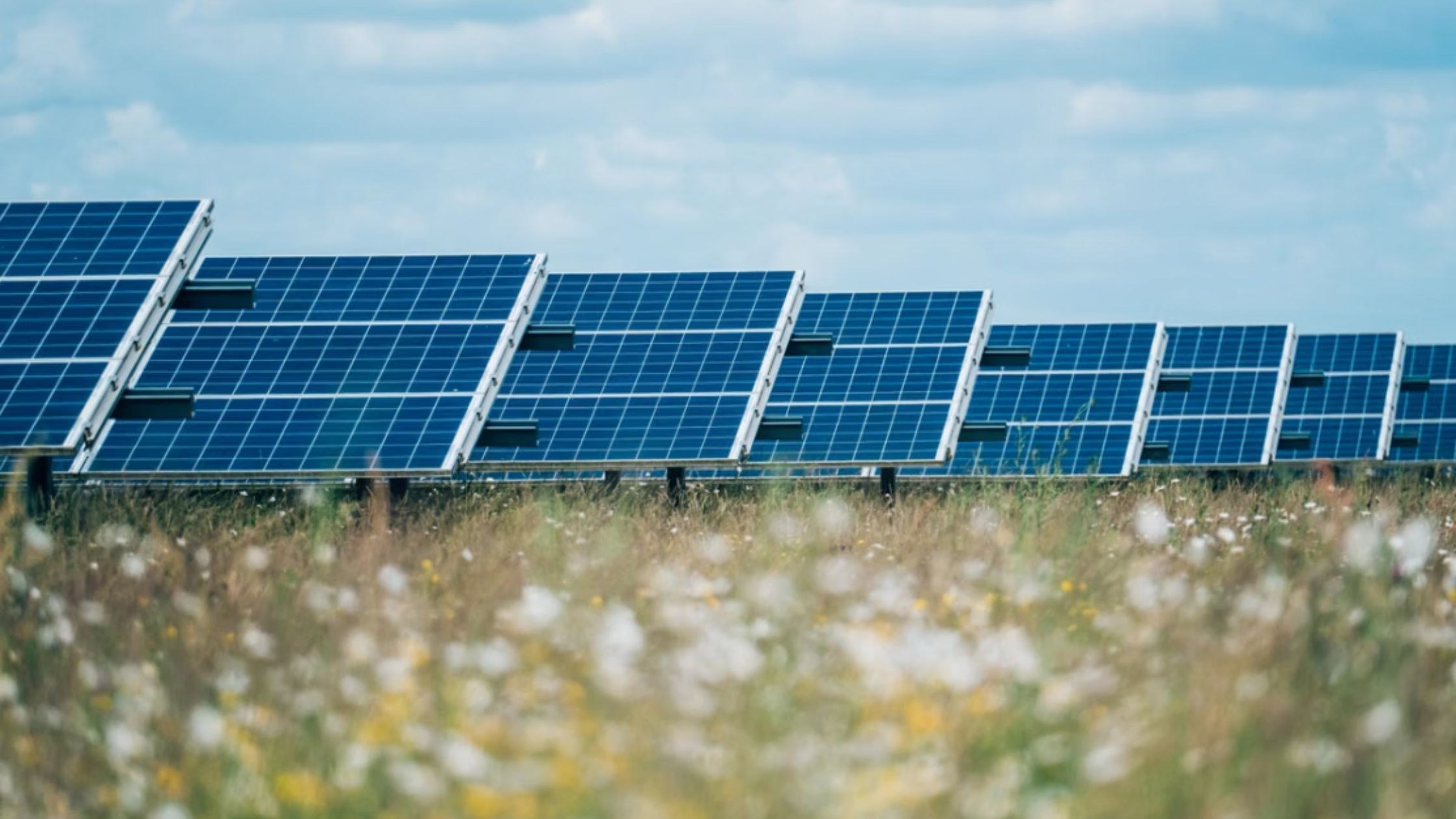
The global solar panel market is set for strong growth over the next decade, driven by rising global efforts toward rural electrification, diversification of energy sources, and sustainability goals. According to Research Nester’s latest report, the market is expected to grow at a compound annual growth rate (CAGR) of 13.2% from 2026 to 2036. The report provides insights into market trends, growth factors, and the increasing role of solar panels across urban and residential rooftop markets. It highlights that environmental regulations, the demand for energy-efficient technologies, and sustainability-led innovations are reshaping the solar industry on a global scale.
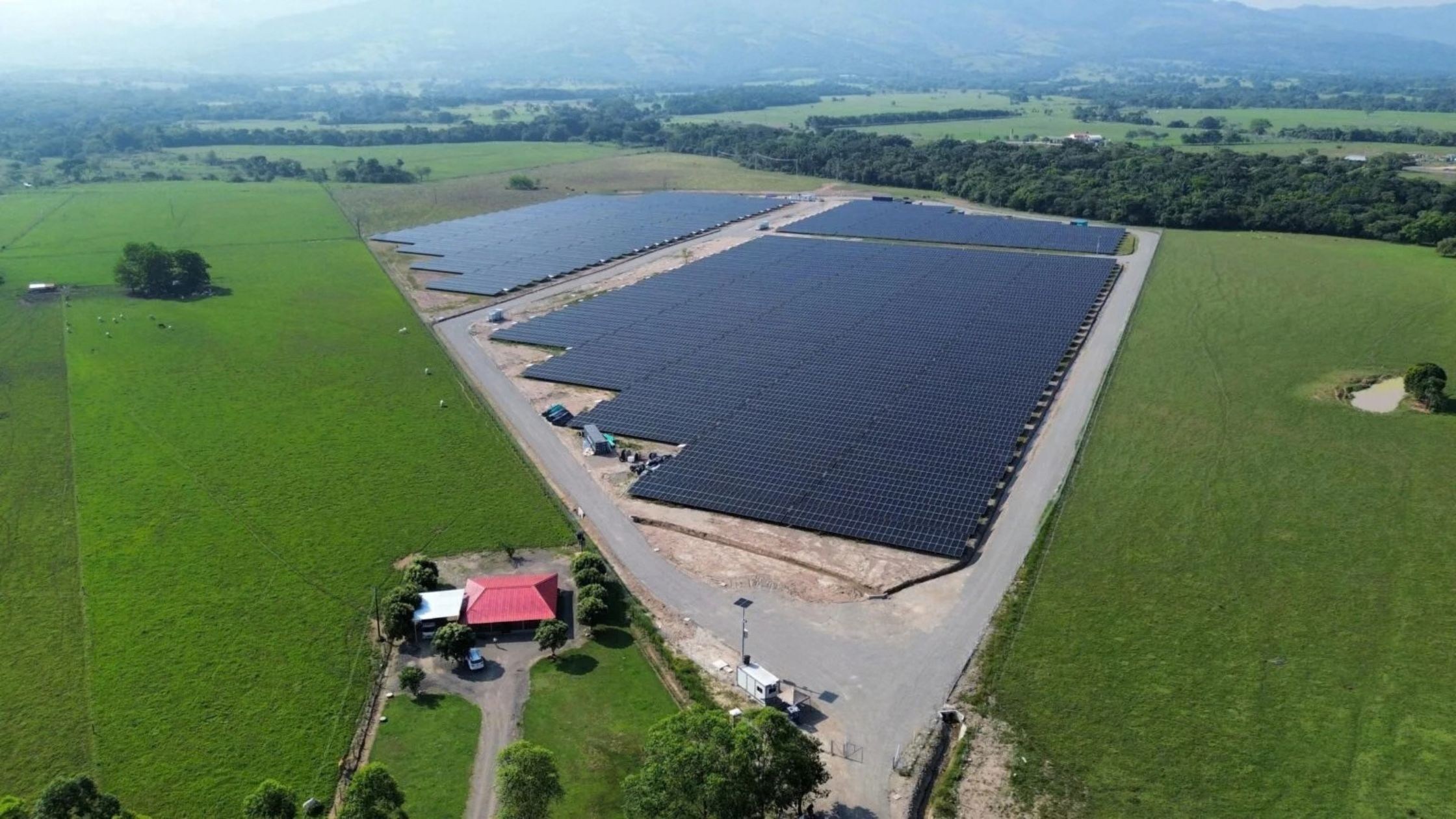
One of the key factors driving this expansion is the growing commitment of corporations to renewable energy through global initiatives like RE100. More than 400 major companies, including Accenture, Adobe, and Apple, have pledged to run entirely on renewable electricity. Many of these companies are setting up large solar farms or purchasing solar energy through power purchase agreements to meet their sustainability targets. These initiatives have accelerated solar adoption and reduced technology costs, establishing solar power as a central part of the clean energy transition. Additionally, frequent grid instability caused by natural disasters has made solar-plus-storage microgrids an attractive and resilient energy solution.
The report identifies several important growth drivers, including efforts to promote recycling within the circular economy, volatility in fossil fuel markets, increased international climate financing, and the expansion of smart cities. Another emerging trend is the growing use of solar power in cold chain logistics, which requires reliable and cost-effective electricity for storage and transport of perishable goods. However, challenges persist in the form of land use constraints, environmental concerns related to manufacturing and end-of-life disposal, and uncertainty in government policies and incentives.
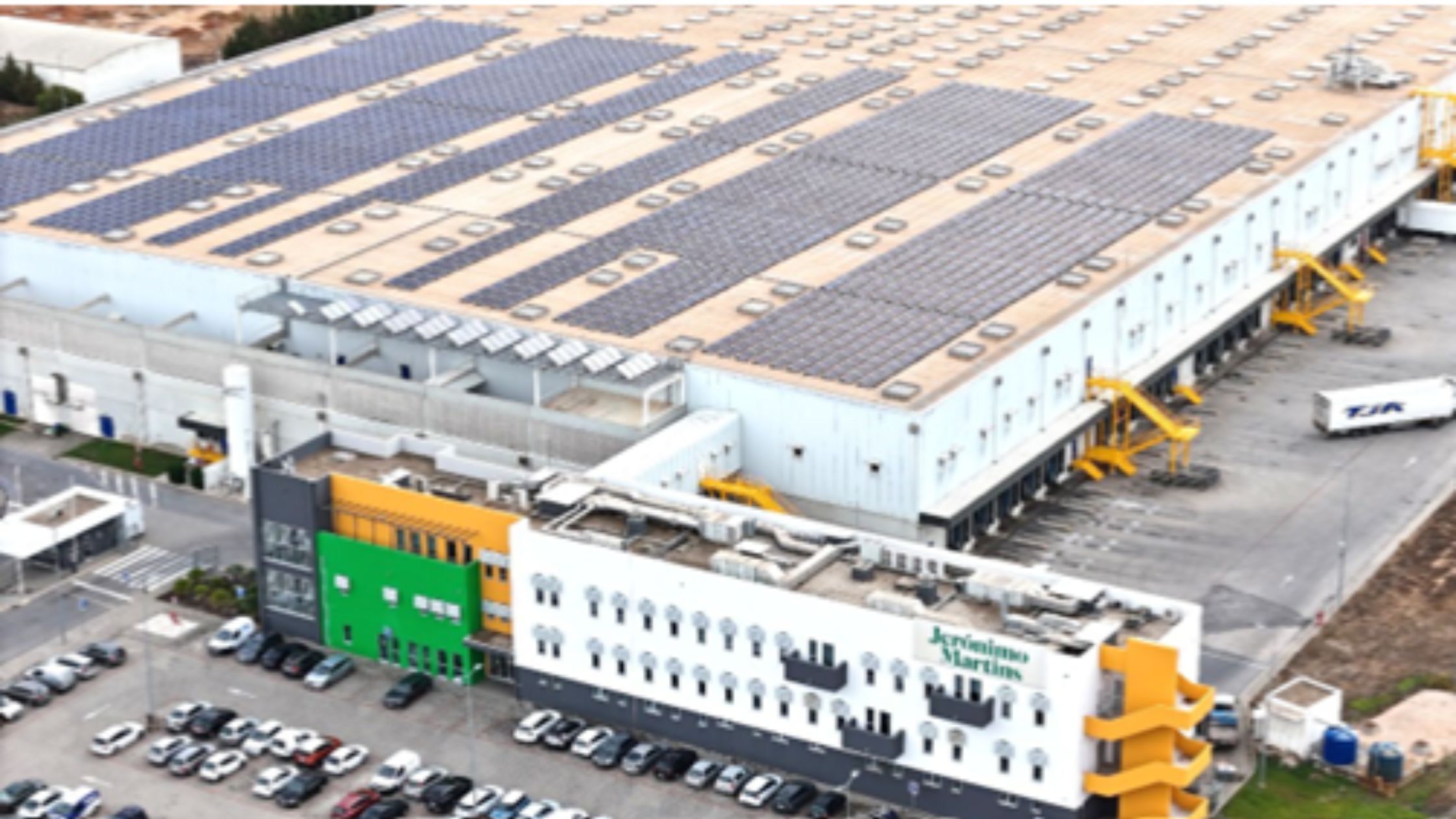
The commercial and industrial segments are expected to lead the global solar market in the coming years. Large electricity consumers such as data centers, factories, and shopping malls are increasingly investing in solar energy to cut down on high operational costs. The Solar Energy Industries Association reports that corporate procurement accounts for over 18% of total solar capacity in the U.S., and 20% of all installations in 2023 involved corporate offtakers. Between 2019 and 2024, commercial rooftop solar capacity in the U.S. grew at a rate of 12% per year, showing how businesses are turning to solar energy to improve profit margins and meet their net-zero commitments.
The Asia Pacific region is expected to dominate the solar panel market, accounting for 37.6% of the total market share by 2036. The region benefits from favorable geographical conditions, especially in countries like India, China, and Australia, where vast desert areas enable the construction of large-scale solar farms. According to SolarPower Europe, the global solar market reached 600 GW in 2024, with 70% of the capacity coming from Asia Pacific. China remains the global leader in solar energy generation, with over 80% of worldwide solar panel manufacturing and strong government focus on decarbonization and renewable energy use across industries.
Major companies such as JinkoSolar, JA Solar, LONGi Green Energy, Canadian Solar, Trina Solar, and Adani Solar are investing heavily in research and development, forming strategic alliances, and launching new technologies to stay competitive. The market continues to evolve rapidly, marked by frequent introductions of advanced, sustainable solutions and collaborations across industries. As global industries raise their sustainability standards, innovation in solar technology is expected to accelerate, solidifying its role as a key driver of the clean energy transition.