Jinko Solar’s Tiger Neo 3.0 represents the next leap forward in photovoltaic innovation, engineered to deliver maximum performance, longevity, and sustainability. Built on the advanced N-type TOPCon platform, this latest-generation module combines cutting-edge technology, robust design, and exceptional durability to meet the rising global demand for clean, high-efficiency solar energy.
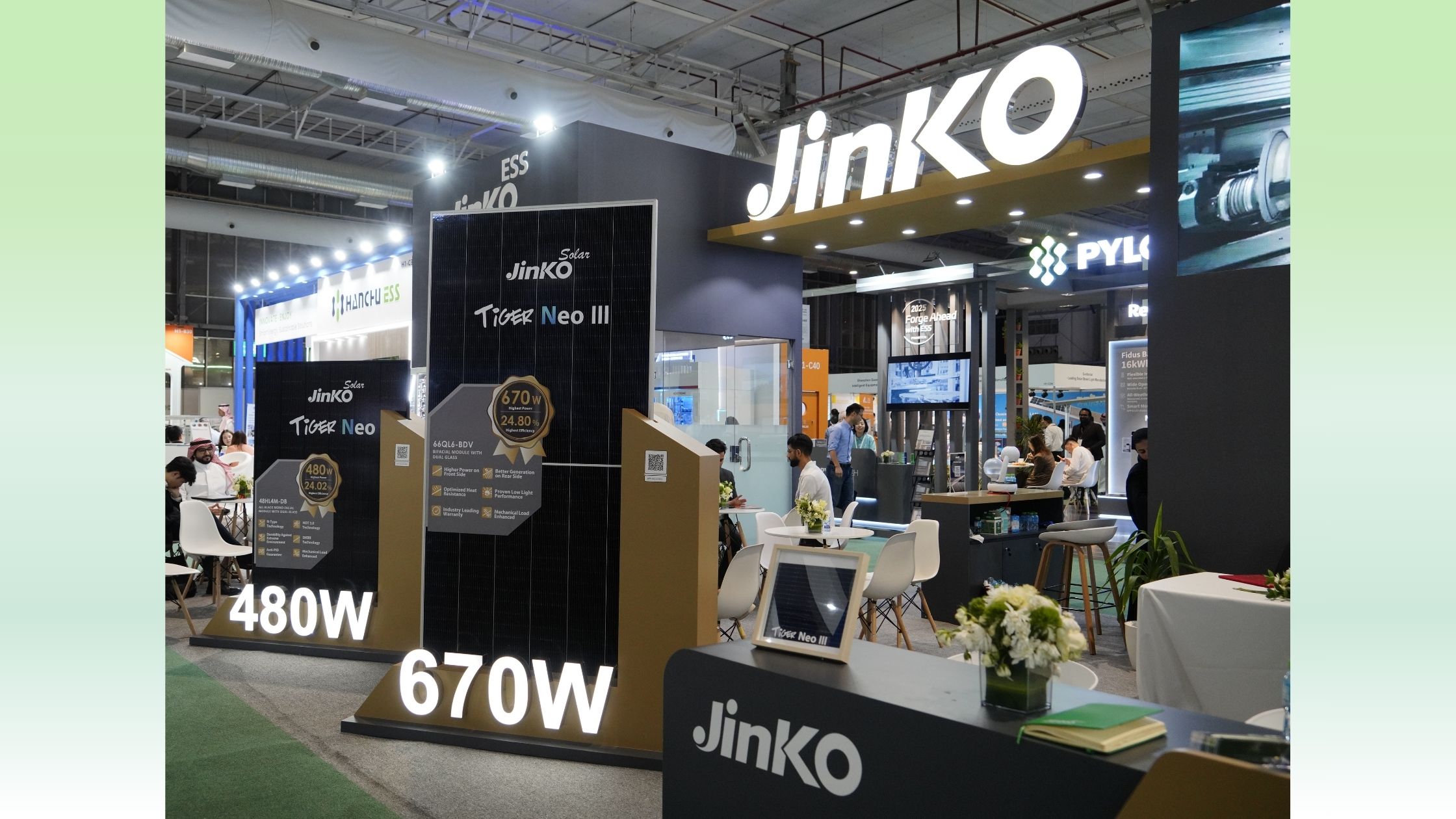
At the core of the Tiger Neo 3.0 lies its exceptional power output of 650–670 watts, achieved through optimized cell architecture and an enhanced layout that captures more sunlight. With a record-high module efficiency of up to 24.8%, it stands as one of the most powerful solar modules in its class.
. The design leverages advanced metallization and multi-busbar technology to minimize energy loss, enabling superior conversion even under suboptimal light conditions.
The Tiger Neo 3.0 offers an impressive 85±5% bifaciality, delivering outstanding energy gains from both sides of the module. By incorporating an improved cell structure that enhances light absorption and trapping, it captures reflected sunlight from the rear side—significantly boosting overall energy yield. This makes the module particularly advantageous for utility-scale solar farms and commercial installations, where reflected light can be efficiently utilized.
One of the hallmark features of the Tiger Neo 3.0 is its low temperature coefficient of -0.26%/°C, ensuring optimal performance even in the most extreme heat conditions. As a result, the module produces 1.5–1.7% more energy annually in hot or tropical climates compared to conventional panels.
Its resilience is further enhanced by robust PID, LID, and UV degradation resistance, ensuring long-term reliability across diverse environmental conditions. Certified under IEC and ISO standards, the module can withstand mechanical loads of 5400 Pa on the front and 2400 Pa on the rear, offering durability even under heavy snow or strong winds.
Thanks to its advanced cell structure, the Neo 3.0 excels in low-irradiance environments, with a high 200W/m² performance index of 96.77%, enabling consistent generation during cloudy or low-light periods. Additionally, the module’s linear degradation rate of just 0.35% per year ensures sustained output over decades, outperforming many competitors and ensuring superior lifetime energy yield
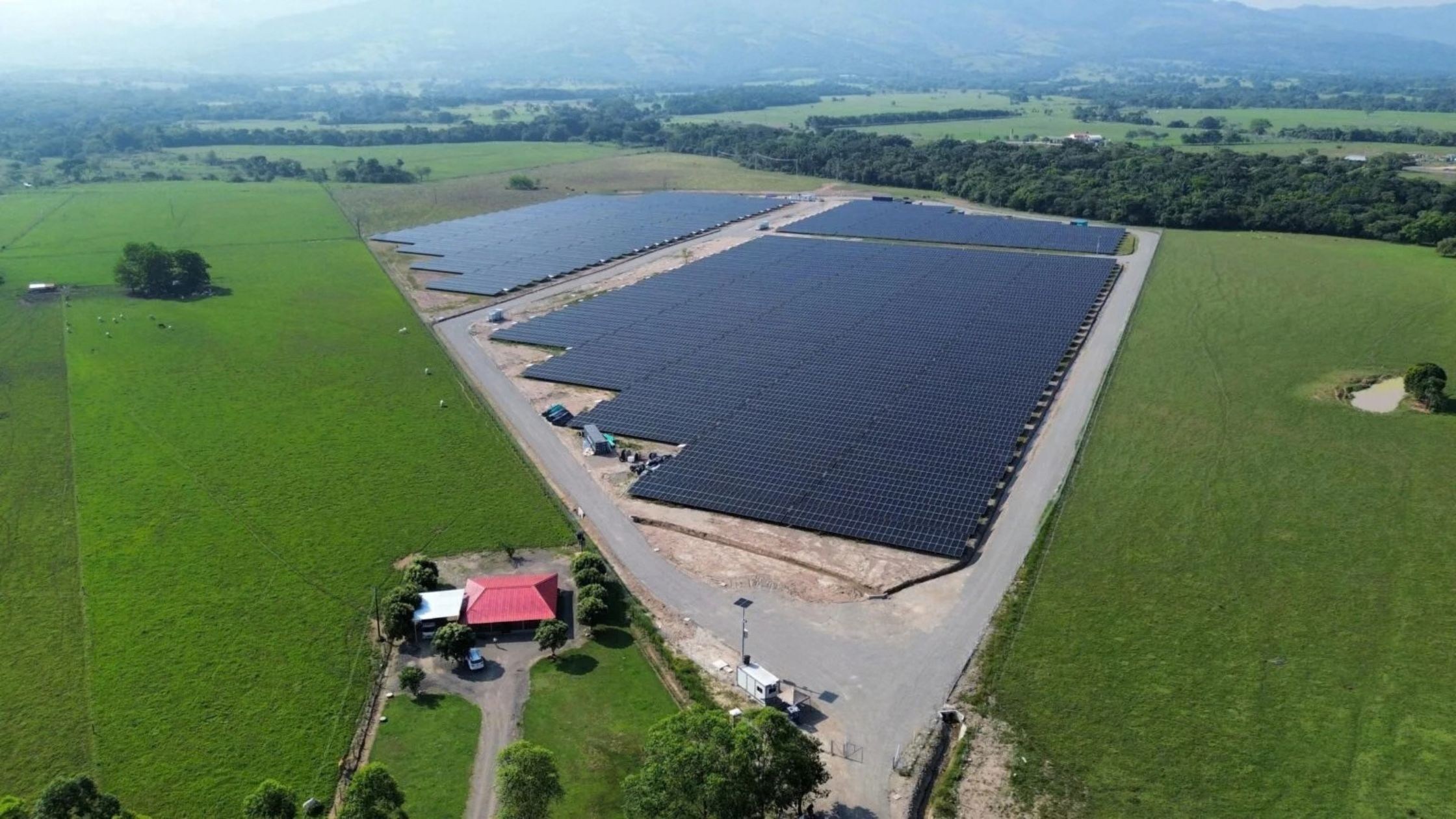
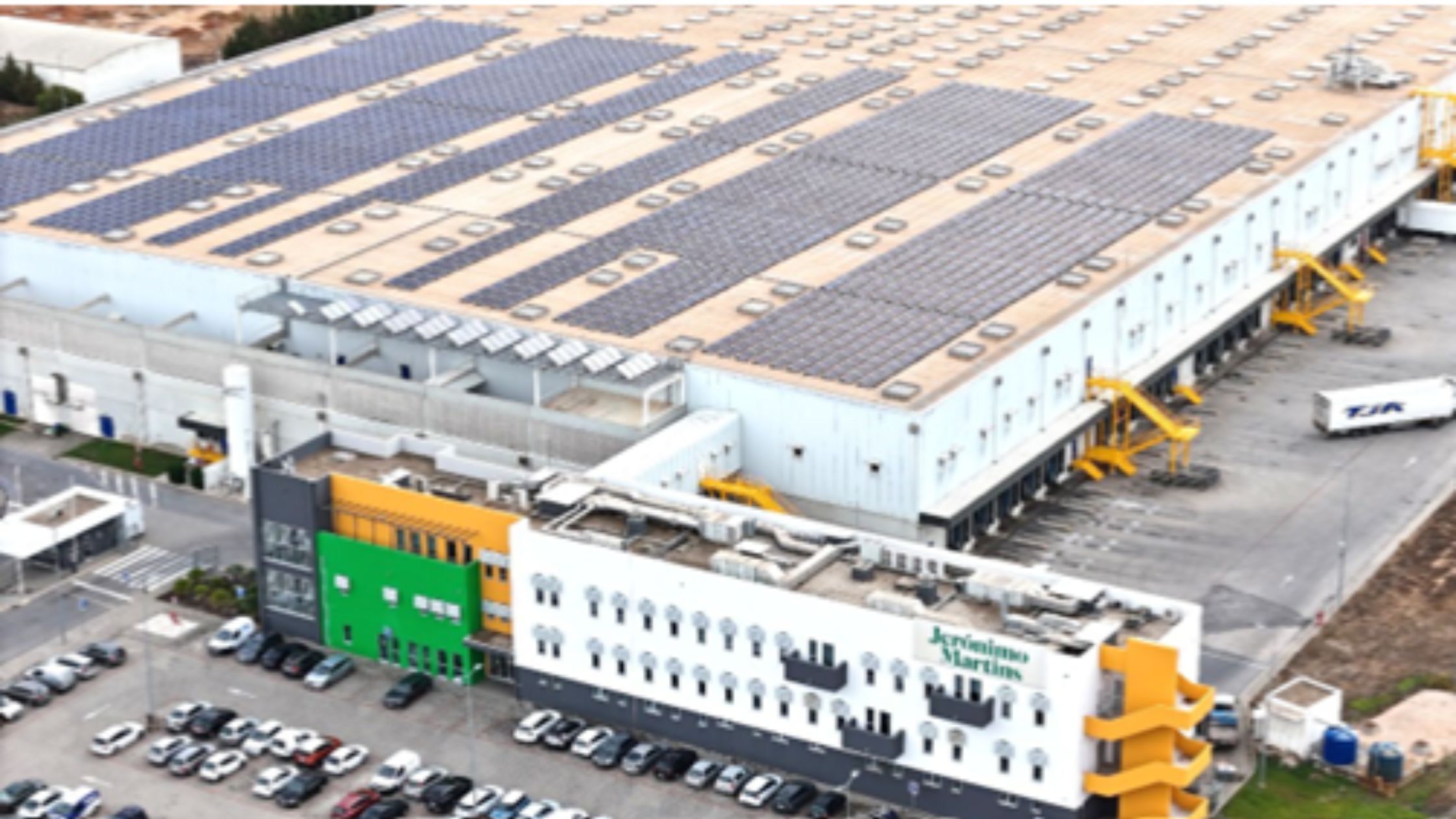
Designed for both rooftop and large-scale solar projects, the Tiger Neo 3.0’s versatility makes it suitable for various climates and terrains. Whether deployed in dense urban areas with limited space or in expansive desert solar farms, it guarantees high returns and minimal Levelized Cost of Energy (LCOE). The module’s robust warranty—12 years for product and 30 years for performance—reflects Jinko Solar’s confidence in its long-term reliability and engineering excellence.
Jinko Solar’s Tiger Neo 3.0 embodies the philosophy of “Three Highs, Three Lows, Three Longs”—high power, high efficiency, high bifaciality; low temperature coefficient, low degradation, low light loss; and long life, long warranty, long-term yield reliability.
As global energy needs evolve, Tiger Neo 3.0 stands as a benchmark in solar innovation—offering unparalleled performance, durability, and sustainable value for decades to come.
Subscribe to get the latest posts sent to your email.