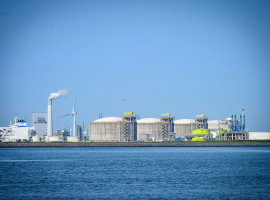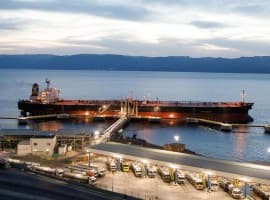
Russia-owned Naftna Industrija Srbije (NIS) has halted crude processing as U.S. sanctions choke oil flows to Serbia, triggering fears of a fuel shortage ahead of winter. A shipment of roughly one million barrels of Kazakh KEBCO crude that arrived at Croatia’s Omisalj terminal on 9 October remains blocked after deliveries through the JANAF pipeline were suspended on 8 October, according to multiple industry sources cited by Reuters on Friday.
The U.S. Treasury’s Office of Foreign Assets Control allowed a sanctions waiver on NIS to expire on 9 October, formally cutting the company off from international crude purchases. NIS, 56 percent owned by Gazprom Neft, runs Serbia’s only refinery at Pan?evo, which processes about 4.8 million tonnes of crude per year and supplies over 80 percent of the country’s gasoline and diesel demand. Without new cargoes, refining operations could stop by early November, officials and traders said.
Serbia’s government has downplayed the immediate risk. President Aleksandar Vu?i? said current inventories are sufficient through the end of the year, but analysts warned that prolonged disruption would force the country to depend on product imports through neighboring EU states.
The JANAF pipeline from Croatia had been Serbia’s primary supply line for Russian and Kazakh crude since 2022. Its closure underscores the limited flexibility of Balkan energy logistics, where few alternative routes exist and domestic storage capacity remains constrained.
Earlier this month, regional analysts said the U.S. measures were likely to hit Serbia’s downstream sector hard, calling NIS’s exposure “a critical vulnerability” for the Balkan state.
Serbia is now seeking replacement cargoes via Hungary and exploring temporary swaps through regional refiners. Whether those can arrive fast enough to keep Pan?evo running will determine if Serbia avoids a full-blown fuel crunch.
By Charles Kennedy for Oilprice.com
More Top Reads From Oilprice.com:
- Windfall Tax Reforms Crucial for North Sea Oil Industry
- Greece Awards Offshore Exploration Blocks to Chevron
- Supertanker Rates Soar as Buyers Scramble to Replace Russian Oil