Iran’s Gift To the World: 10 Oil Tankers Through Strait of Hormuz

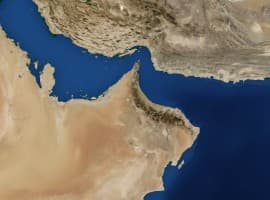
President Donald Trump said Thursday that Iran allowed 10 oil tankers to transit the Strait of Hormuz, describing the move as a “present” and a sign of progress in ongoing negotiations. The comment, made during a Cabinet meeting, offers the clearest indication yet of what the administration had been hinting at earlier this week—some limited easing at the world’s most critical oil chokepoint.

The details are scant. The White House has not confirmed specifics on the vessels, their cargo, or whether additional transits are expected. Trump suggested the ships were foreign-flagged, possibly Pakistani, and framed the move as a goodwill gesture from Tehran.

The market will take it for what it is: incremental and highly conditional.

Flows through the Strait of Hormuz have been restricted for weeks, with Iran effectively controlling passage and allowing select cargoes through at its discretion. The result has been a sharp dislocation between paper and physical markets, with Brent trading at $108 per barrel while physical barrels struggle to move.

Ten tankers does not fix that, but it’s a start.

At normal operating levels, the Strait handles roughly a fifth of global oil flows. Letting a small number of vessels through may ease some immediate pressure—particularly for buyers in Asia—but it does not restore anything close to normal trade.

But it does reinforce the point that access to the Strait is now a lever.

Iran appears willing to modulate flows, not reopen them outright. That keeps pressure on the global system while signaling just enough flexibility to keep negotiations alive.

Still, every barrel moving through Hormuz right now is doing so on someone’s terms.

By Julianne Geiger for Oilprice.com

More Top Reads From Oilprice.com


  • Related Posts

    China Rare Earth Firms Freeze U.S. Exports Weeks Before Xi-Trump Summit

    Despite having secured export licenses, some Chinese rare earth producers have stopped shipping these materials to the United States over fears of repercussions from China’s authorities, sources familiar with the…

    India Plans Mandatory Battery Storage at Solar and Wind Projects

    India’s authorities plan to introduce, from July 1, 2027 a regulation requiring developers of solar and wind energy projects to have battery storage installed at the sites in a bid…

    Have You Seen?

    China Rare Earth Firms Freeze U.S. Exports Weeks Before Xi-Trump Summit

    • September 4, 2026
    China Rare Earth Firms Freeze U.S. Exports Weeks Before Xi-Trump Summit

    Europe Gas Prices Head for Fourth Straight Weekly Gain

    • September 4, 2026
    Europe Gas Prices Head for Fourth Straight Weekly Gain

    Iran Says It’s Found Ways to Dodge U.S. Oil Blockade

    • September 4, 2026
    Iran Says It’s Found Ways to Dodge U.S. Oil Blockade

    India Plans Mandatory Battery Storage at Solar and Wind Projects

    • September 4, 2026
    India Plans Mandatory Battery Storage at Solar and Wind Projects

    UK must bolster food supply chain resilience

    • September 4, 2026
    UK must bolster food supply chain resilience

    Carbon capture and conversion technology wins Australian science award

    • September 4, 2026
    Carbon capture and conversion technology wins Australian science award

    Nano Nuclear Energy and Howden work on helium circulator nuclear design

    • September 4, 2026
    Nano Nuclear Energy and Howden work on helium circulator nuclear design

    UK Poised to Approve Jackdaw Gas Field as Energy Costs Soar

    • September 4, 2026
    UK Poised to Approve Jackdaw Gas Field as Energy Costs Soar

    Argentina Targets Falklands Oil Drillers With Tougher Sanctions

    • September 4, 2026
    Argentina Targets Falklands Oil Drillers With Tougher Sanctions

    U.S. Diesel Prices Hit All-Time High as Global Fuel Squeeze Deepens

    • September 4, 2026
    U.S. Diesel Prices Hit All-Time High as Global Fuel Squeeze Deepens